

スピーディーな制作と多彩な仕上げオプションが魅力の、ミュージアムクオリティなジークレー・キャンバスプリント。 ( 手描きの複製画を注文する デジタル画像販売へ切り替え)





























作品のオリジナル比率に合わせた、当店の規定サイズからお選びください。

額縁や壁のスペースに合わせて、ご希望の幅と高さを入力してください。プリントはカットすることは可能ですが、元の画像より大きくすることはできないため、異なる比率のサイズを選択された場合は、画像の一部が欠けることになります。印刷を開始する前に、内容を確認していただくためのデジタルモックアップをお送りいたします。このページに表示されている画像は、実際のカット後の状態を示すものではありません。実際の仕上がりはモックアップにてご確認ください。
Sared Himalayas
複製画サイズ一覧
Nicholas Roemerich's “Sared Himalayas,” painted in 1933, is more than just a depiction of majestic mountains; it’s a profound meditation on the relationship between humanity, nature, and the spiritual realm. This stunning landscape captures the raw power and serene beauty of the Himalayan range, reflecting Roerich’s deeply held belief that art could be a vehicle for exploring universal truths and promoting peace. The painting immediately draws the viewer into its tranquil atmosphere, dominated by the imposing presence of snow-capped peaks – the Sared mountains specifically – rendered with an almost tactile quality, hinting at the artist's meticulous observation and desire to convey not just visual appearance but also the very essence of these ancient formations.
Roerich’s technique in “Sared Himalayas” is characterized by a layered approach, typical of his mature style. He employed a glazing method – applying thin washes of color over dried underlayers – to build up depth and luminosity. This creates a remarkable sense of atmospheric perspective, with the distant mountains appearing almost ethereal, dissolving into the blue expanse of the sky. The brushwork is loose yet controlled, suggesting movement within the landscape while maintaining an overall feeling of stability and grandeur. Noticeable are the subtle gradations of color, particularly in the depiction of snow and water, which contribute significantly to the painting’s realism and emotional impact. His use of complementary colors – blues and oranges, purples and yellows – intensifies the visual experience, creating a vibrant yet harmonious composition.
Roerich was deeply influenced by Theosophy, a spiritual philosophy emphasizing universal brotherhood and the interconnectedness of all things. This influence is palpable in “Sared Himalayas.” The mountains themselves are not merely geological formations; they represent sacred spaces, imbued with spiritual energy. The body of water – likely a glacial lake – symbolizes purification and renewal, reflecting the artist’s belief in the transformative power of nature. The scattered clouds add to this sense of mystery and transcendence, suggesting a realm beyond human comprehension. Roerich frequently incorporated mandalas and geometric patterns into his work, subtly hinting at these underlying spiritual principles.
"Sared Himalayas" was created during a period of significant artistic and intellectual ferment. The rise of modernism challenged traditional notions of representation, while simultaneously fueling interest in Eastern philosophies and spirituality. Roerich’s work stands as a bridge between these two worlds, demonstrating the potential for art to engage with both the material world and the spiritual dimension. His paintings, like this one, are now recognized as important examples of early 20th-century landscape painting, distinguished by their profound symbolism and emotional depth. Reproductions of “Sared Himalayas” offer a unique opportunity to experience Roerich’s visionary art in your own space, bringing a touch of timeless beauty and spiritual contemplation into your home.
ニコライ・ロエリヒ作「Sared Himalayas」の色使いは、Discordant Paletteな調和を見せています。ここでの「調和」とは、色彩同士が互いにどのように響き合っているかを表しています。
「Sared Himalayas」のスライドショーは、作品のスライドショーページでご覧いただけます。
ニコライ・ロエリヒ作「Sared Himalayas」は19th Century時代の作品です。この時代背景が、本作の歴史的な文脈を形作っています。


1874 - 1947 , ロシア
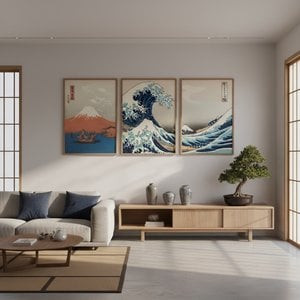
葛飾北斎の25選:『神奈川沖浪裏』や『富嶽三十六景』など、浮世絵の世界を深く探求。木版画の技法と日本美術の美をWahooArtで。高品質なアートプリントで空間に感動を。コレクションはこちら。

Explore the captivating art of Nicholas Roerich – a visionary painter whose Himalayan landscapes blend spiritual mysticism with cultural preservation. Discover his legacy & symbolism.

ロマン派絵画の時代を彩る10選。巨匠たちの風景が織りなす感動の世界へ。ターナー、ルーベンスなど、名作の裏話と高精細複製でアートをお部屋に。WahooArt.comで至福のアート体験を。

Explore the world of giclée prints with WahooArt. Learn about archival quality, aesthetic nuances & investment potential. Expert guidance for discerning art collectors seeking museum-quality reproductions and lasting value.

Explore the rich history of landscape art with WahooArt. Discover renowned artists, movements like Impressionism & Romanticism, and expert guidance for collecting timeless pieces. Find your perfect serene escape today!

 設置イメージを確認
 送る
送る シェア
シェア
 詳細情報
詳細情報 ガイドを表示

 画像をダウンロード
 似ている作品
 X線調査
X線調査 スライドショー
 統計情報
統計情報

 続きを読む
続きを読む









 ガラスオプションは、110cm未満のサイズでのみご利用いただけます。


