Acrylic On CanvasWallArtSymbolism
 192219th Century
 58.0 x 79.0 cm
迅速な制作と多彩な仕上げオプションを備えた、ミュージアムクオリティのジークレーまたはキャンバスプリント。 ( 手描きの絵画を購入 デジタル画像販売へ切り替え)





























作品のオリジナル比率に合わせた、当店の規定サイズからお選びください。

特定のフレームやスペースに合わせて、ご自身でサイズを指定することも可能です。選択されたサイズが元の画像の比率と一致しない場合、作品をトリミングするか、鏡面反射または単色での塗りつぶしによって画像を拡張いたします。制作を開始する前に、ご確認用のデジタルモックアップをお送りいたします。
画面上のプレビューには、実際のトリミングや拡張は反映されませんのでご注意ください。最終的な構図を正確に確認できるのは、モックアップのみとなります。
カスタムサイズも承っておりますが、元の比率を維持するためには、あらかじめ用意されたリストからサイズを選択することをお勧めいたします。

Language of forest
複製画のサイズ
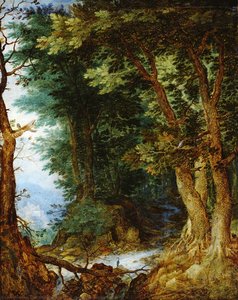
“The Language of the Forest,” painted in 1922 by the visionary Nicholas Roerich, is more than just a depiction of a serene woodland scene; it's an immersive exploration of spiritual and symbolic landscapes. This evocative artwork, measuring 58 x 79 cm, captures a moment of profound tranquility within a forest setting – a carefully constructed tableau designed to resonate with viewers on multiple levels. The painting’s immediate appeal lies in its masterful rendering of light and atmosphere, particularly the dramatic interplay of sunset hues that bathe the trees and mountains in a warm, golden glow. Roerich's meticulous attention to detail, from the textured bark of the foreground trees to the distant peaks, creates a palpable sense of depth and scale, drawing the viewer into the heart of the composition.
Roerich’s work is deeply rooted in his exploration of esoteric philosophies and spiritual traditions, particularly those originating from the East. “The Language of the Forest” exemplifies this influence through its symbolic representation of nature as a conduit to higher consciousness. The forest itself becomes a sacred space, imbued with layers of meaning – a recurring motif throughout Roerich’s oeuvre. The presence of figures within the scene—seated on rocks and standing amongst the trees—suggests human connection with this natural world, inviting contemplation and reverence. The painting's Symbolist style, as confirmed by WikiArt, emphasizes mood and suggestion over realistic representation, prioritizing emotional impact and spiritual significance.
Executed in oil on canvas, Roerich’s technique is characterized by a rich, layered application of paint. He employed a glazing method—building up color through translucent washes—to achieve the luminous effects so characteristic of his work. The brushwork is deliberate yet fluid, conveying both precision and an intuitive understanding of light and shadow. Roerich's meticulous preparation of pigments, often incorporating minerals and precious materials, contributed to the depth and vibrancy of his palette. This dedication to material quality ensured that each reproduction would retain a remarkable fidelity to the original’s textural richness.
Created in 1922, “The Language of the Forest” reflects a pivotal moment in Roerich's artistic development. Following his travels through Central Asia and Tibet, he became increasingly fascinated with ancient cultures and spiritual traditions. This period saw him develop his unique visual language—a synthesis of Western artistic techniques and Eastern philosophical concepts—aimed at promoting intercultural understanding and advocating for peace. The painting can be viewed as a testament to Roerich’s belief in the interconnectedness of all things, reflecting his lifelong commitment to exploring the spiritual dimensions of art and life.

1874 - 1947 , ロシア

Elevate luxury interiors with exquisite mountain oil painting reproductions. From Romanticism to the Hudson River School, WahooArt offers bespoke, hand-painted masterpieces and large-scale murals tailored for hotel designers and elite collectors worldwide.


 プレビュー
プレビュー
 シェアする
シェアする シェアする
シェアする
 詳細を見る
詳細を見る ガイド
ガイド

 ダウンロード
 似ている作品
 X線調査
X線調査 スライドショー
 統計情報
統計情報 詳細を見る
詳細を見る









 ガラスオプションは、110cm未満のサイズでのみご利用いただけます。