x
プレビュープレビュー ARで試着ARで試着 手描きの絵画を購入 手描きの絵画を購入画像を購入 画像を購入 シェアするシェアする
詳細を見る詳細を見る お気に入りに追加 お気に入りに追加 ダウンロードダウンロード 似ている作品似ている作品 X線調査X線調査 スライドショースライドショー

Ogou Ferail

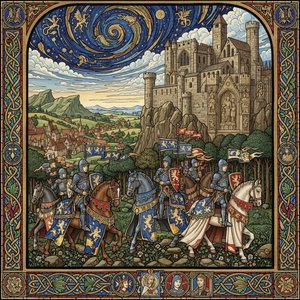
Witness an epic battle scene featuring a knight fighting a dragon in this vibrant Haitian drapo art by Mireille Delismé; discover this powerful piece of cultural storytelling.

Discover Mireille Delisme's vibrant Haitian drapo Vodou art! Intricately beaded flags inspired by Lwa spirits, reflecting faith & resilience. Explore her unique artistry.

ジークレー/アートプリント

迅速な制作と多彩な仕上げオプションを備えた、ミュージアムクオリティのジークレーまたはキャンバスプリント。 (手描きの絵画を購入 手描きの絵画を購入画像を購入 画像を購入)

P118B $10
P118H $10
P118W $10
P438Z $10
P508JH $12
P508YH $12
P805H $10
P805Z $10
P919BZ $10
P919G $10
P919XJ $10
P959ZH $10
P968JZ $12
W106C $8
W218G $10
W218JH $8
W218Y $10
W307PJ $10
W316G $10
W316PJ $8
W316Y $10
W398PJ $8
W4111J $10
W500HY $15
W500JH $15
W692G $12
W849H $8
W940BG $15
W953PJ $8

標準サイズ
オーダーメイド
CM
INCH

作品のオリジナル比率に合わせた、当店の規定サイズからお選びください。

高さ

特定のフレームやスペースに合わせて、ご自身でサイズを指定することも可能です。選択されたサイズが元の画像の比率と一致しない場合、作品をトリミングするか、鏡面反射または単色での塗りつぶしによって画像を拡張いたします。制作を開始する前に、ご確認用のデジタルモックアップをお送りいたします。
画面上のプレビューには、実際のトリミングや拡張は反映されませんのでご注意ください。最終的な構図を正確に確認できるのは、モックアップのみとなります。
カスタムサイズも承っておりますが、元の比率を維持するためには、あらかじめ用意されたリストからサイズを選択することをお勧めいたします。

世界中への配送()は、標準の4〜5週間ではなく、2週間でお届けいたします。(2 9月)

why_choose_icon
世界中へ無料エクスプレス配送
why_choose_icon
高品質なリネンキャンバス
why_choose_icon
配送時完全保険付
why_choose_icon
関税・輸入税の払い戻し保証
why_choose_icon
忠実な色彩再現保証
why_choose_icon
60日間返品保証(製造上の欠陥のみ)
why_choose_icon
100% 全額返金保証
why_choose_icon
まとめ買い割引のご案内

合計金額

$ 68

reproduction

Ogou Ferail

ジークレー/アートプリント

複製画のサイズ

-

合計金額

$ 68

作品詳細

  • Subject or theme: Epic battle between knight and dragon
  • Year: 2004
  • Notable elements or techniques: Voodoo flags (Drapo) style
  • Artistic style: Haitian Folk Art
  • Artist: Mireille Delismé
One of the most spectacular artistic forms of Haitian tradition are the voodoo flags or

アーティストの略歴

Mireille Delisme: Weaving Faith and Resilience into Haitian Drapo

Mireille Delismé, a name synonymous with vibrant Haitian artistry, is more than just an artist; she’s a conduit between the spiritual realm of Vodou and the tangible beauty of her meticulously crafted drapo flags. Born in Leogâne, Haiti, in 1968, Mireille – also known as Mireille Delice – has dedicated her life to preserving and evolving this deeply significant art form, transforming it into a powerful expression of faith, community, and resilience. Her work isn’t merely decorative; it's a visual narrative steeped in Haitian history, Vodou beliefs, and the enduring spirit of her people. Delismé’s artistic journey began unexpectedly in 1986, apprenticing under her cousin, Myrlande Constant (or Yolande Ceauston – accounts vary), learning the foundational skills of sewing and beading within a factory producing embellishments for wedding dresses destined for export in Port-au-Prince. This experience, though ultimately short-lived when the factory closed in 1990 due to political and economic instability, provided her with invaluable technical expertise. It was during this period that she first experienced what would become the driving force behind her artistic practice: a series of vivid dreams. These weren’t random occurrences; they were imbued with messages from Vodou spirits, particularly Erzulie, the spirit of love, represented by a heart symbol – a design that would later become the defining motif of her iconic flags. The closure of the factory and the subsequent dream-inspired guidance marked a pivotal moment in Delismé’s life. She recounts receiving instructions to forge her own path, an invitation to create independently and provide for her family. Embracing this call, she began crafting drapo Vodou flags using leftover beads from her previous employment. These early pieces weren't simply decorative; they were imbued with the spirit of Erzulie and other Vodou deities, acting as visual representations of divine guidance and offering clarity within life’s complexities. The bright colors – reds, yellows, blues, greens – used in the sequins and beads aren’t arbitrary choices but carefully selected to evoke specific moods and spiritual energies. Her atelier, established in Haiti, now serves as a hub for creating these intricate works, employing seven artisans who contribute their skills to this vibrant tradition.

The Language of Drapo Vodou

The drapo Vodou is far more than just an embroidered flag; it’s a complex and deeply symbolic visual language central to Haitian Vodou practice. These flags are offered to the *lwa* (spirits) during ceremonies, serving as conduits for communication and connection. Each element – color, symbol, bead placement – carries specific meaning, reflecting the attributes of the particular spirit being invoked. Delismé’s work is particularly notable for its incorporation of traditional Vodou iconography alongside her own unique interpretations. She meticulously researches and translates these symbols, ensuring that each flag accurately represents the spirit it honors. The heart motif, originating from her initial dream with Erzulie, remains a recurring element, symbolizing love, compassion, and connection to the divine.

Dreams as Inspiration: A Spiritual Dialogue

Delismé’s artistic process is inextricably linked to her dreams. She describes receiving multiple visions from the *lwa*, each offering guidance, inspiration, and specific designs for her flags. The third dream, in particular, provided a clear directive – to abandon factory work and pursue her own creative path. This narrative underscores the profound spiritual influence that shapes her art. She doesn’t simply draw inspiration from Vodou symbols; she actively engages in a dialogue with the spirits themselves, allowing their messages to inform her artistic choices. The resulting flags are not merely products of skill but expressions of a deeply personal and spiritual connection.

Responding to Tragedy: Art as Healing

In the aftermath of the devastating 2010 earthquake that ravaged Haiti, Delismé channeled her grief and concern into her art. Recognizing the immense suffering in her homeland, she created “Catastrophe du 12 Janvier” – a powerful drapo depicting the crumbled buildings and the tragic loss of life. This work wasn’t simply a memorial; it was an act of healing, a way to process trauma and offer solace to her community. Her participation in the Smithsonian Folklife Festival in 2010 and subsequent exhibitions at institutions like the Museum of International Folk Art further amplified the significance of her art as a testament to Haitian resilience and cultural heritage. The piece “Catastrophe du 12 Janvier” was particularly poignant, demonstrating how she translated the devastation into a visual language that resonated with both local communities and international audiences.

Legacy and Recognition

Mireille Delismé’s work has garnered significant recognition within the art world and beyond. Her pieces have been exhibited at prestigious venues like the Indigo Arts Gallery in Philadelphia and featured in publications such as *Crane Arts*. Her commitment to preserving and promoting the tradition of drapo Vodou has solidified her position as a leading figure in Haitian contemporary art. Delismé’s atelier continues to thrive, employing local artisans and ensuring that this vibrant artistic heritage remains alive for generations to come. Her flags are not just beautiful objects; they are powerful symbols of faith, community, and the enduring spirit of Haiti.

基本情報

  • Artistic Movement Or Style: Drapo Vodou art
  • Artists Or Movements Influenced By This Artist: ['Vodou tradition']
  • Artists Who Influenced This Artist: ['Yolande Ceauston']
  • Date Of Birth: Leogâne, Haiti (1967)
  • Full Name: Mireille Delisme
  • Nationality: Haitian
  • Notable Artworks: ['Ogou Ferail']
  • Place Of Birth: Leogâne, Haiti