Acrylic On PaperWallArtRenaissance
 1520
1520 26.0 x 19.0 cm
 大英博物館
大英博物館オンラインプレビューをはるかに凌ぐ、高解像度で鮮明なデジタル画像をご購入いただけます。
各ファイルは、社内の専門家が高度なツールと熟練した手作業によるレタッチを駆使し、細心の注意を払って仕上げています。すべての画像において、卓越した鮮明度、正確な色彩再現性、そして繊細なディテールをお約束いたします。
最終ファイルは、プロフェッショナルな編集・印刷環境ですぐにご利用いただけるよう最適化された状態で、72時間以内にメールにてお届けいたします。これは、一流のデザインスタジオ、出版社、ギャラリーから信頼されているものと同等の品質です。
個人での鑑賞、印刷、クリエイティブなプロジェクトにご利用いただける高解像度ファイルをダウンロードできます。 ( プリント版に切り替え 手描きの複製画を注文する)
WahooArt.com を選ぶことは、単に画像を手に入れることではありません。プロの手によって精密に仕上げられ、満足保証が付いた高品質なデジタルアートワークを受け取ることを意味します。ご注文いただいた際に自動的に付随する内容は、以下の通りです:

ご注文から72時間以内に、高解像度のデジタル画像ファイルをメールでお送りいたします。お手元に届き次第、すぐにご利用いただけます。

お客様の作品は、高度なAI技術と専門家による手作業を組み合わせてプロフェッショナルに最適化されており、細部のディテール、鮮明さ、そして正確な色再現性を最大限に引き出しています。

ファイルを誤って削除したり、紛失してしまったりしましたか?ご安心ください。いつでも無料で再送いたします。

関税や手数料、配送料を気にすることなく、お気に入りのアートワークをすぐにお楽しみいただけます。デジタルダウンロードは常に免税です。

プロ仕様のツールとカラーマネジメント技術を用いることで、デジタル画像が元の色を最大限に忠実に再現することを保証いたします。

ご購入いただいたデジタル画像にご満足いただけない場合は、100日以内であれば、理由を問わず修正または100%の返金対応をさせていただきます。

ご満足いただけない場合は、デジタルファイルを受け取ってから100日以内であれば、理由を問わず全額返金いたします。

3枚購入で10%OFF、5枚購入で15%OFF、10枚以上のご購入で20%OFF。クリエイティブなプロジェクトやギャラリー、エージェンシーに最適です。
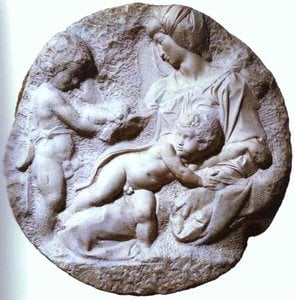
Michelangelo Morlaiter’s “Studies for a Double Tomb Wall” (1520) isn't merely a preparatory sketch; it’s a profound window into the creative process of one of history’s most celebrated artists. This deceptively simple drawing, rendered in delicate pencil on paper, reveals the meticulous thought and architectural vision that underpinned Michelangelo’s monumental commissions for the Medici family. Far from being a preliminary draft, it stands as a testament to his mastery of disegno – the fundamental principles of Italian Renaissance art, emphasizing observation, proportion, and the illusion of depth.
The drawing depicts an elaborate architectural structure, heavily influenced by classical Roman forms yet imbued with a distinctly Florentine sensibility. Columns, pilasters, and decorative elements coalesce into a grand façade, hinting at the imposing tombs it was destined to grace. Notice how Morlaiter doesn’t shy away from depicting the process of design itself – numerous smaller sketches surround the central composition, illustrating alternative arrangements and refinements. These aren't discarded ideas; they represent an iterative exploration, showcasing Michelangelo’s willingness to experiment and refine his vision through a series of evolving studies.
What immediately captivates the viewer is Morlaiter’s masterful use of line. The drawing is dominated by precise, confident pencil strokes, varying in thickness to create a remarkable sense of volume and texture. Hatching – the technique of using closely spaced parallel lines to build up tone – is employed subtly yet effectively, suggesting shadows and highlighting architectural details. The composition itself is carefully balanced, utilizing a vertical format that draws the eye upwards towards the central structure. The overlapping lines and diminishing size of figures in the background create an illusion of depth, pulling the viewer into the world of the design.
This drawing is inextricably linked to the patronage of the Medici family, one of Florence's most powerful and influential dynasties. The commission for a double tomb wall was intended as a monumental tribute to Lorenzo de’Medici and his brother Giuliano, both prominent figures in Florentine politics. The architectural style reflects the prevailing trends of the High Renaissance – a revival of classical forms combined with innovative design elements. The inclusion of figures within the structure suggests a desire for both grandeur and narrative, potentially depicting scenes from their lives or allegorical representations of their virtues.
Furthermore, the drawing’s creation coincided with a period of intense artistic experimentation in Florence. Michelangelo Morlaiter was working alongside giants like Leonardo da Vinci and Raphael, absorbing their ideas and contributing to the vibrant intellectual atmosphere of the city. The tomb itself would have been a significant undertaking, showcasing the wealth and power of the Medici family while serving as a lasting monument to their legacy.
Despite its technical precision, “Studies for a Double Tomb Wall” possesses a profound emotional resonance. It speaks to the human desire for remembrance, the pursuit of beauty, and the enduring power of art to transcend time. The drawing’s quiet dignity and meticulous detail invite contemplation on themes of mortality, legacy, and the relationship between architecture and spirituality. Reproductions of this remarkable work offer an accessible way to experience the genius of Michelangelo Morlaiter and appreciate the intricate beauty of Renaissance design. They serve as a tangible connection to a bygone era, allowing us to glimpse into the creative mind of one of history’s greatest artists.


 設置イメージを確認
 送る
送る シェア
シェア
 詳細情報
詳細情報 ガイドを表示

 画像をダウンロード
 似ている作品
 X線調査
X線調査 スライドショー
 統計情報
統計情報 続きを読む
続きを読む