

スピーディーな制作と多彩な仕上げオプションが魅力の、ミュージアムクオリティなジークレー・キャンバスプリント。 ( 手描き複製画を注文する デジタル画像販売へ切り替え)





























作品のオリジナル比率に合わせた、当店の規定サイズからお選びください。

額縁や壁のスペースに合わせて、ご希望の幅と高さを入力してください。プリントはカットすることは可能ですが、元の画像より大きくすることはできないため、異なる比率のサイズを選択された場合は、画像の一部が欠けることになります。印刷を開始する前に、内容を確認していただくためのデジタルモックアップをお送りいたします。このページに表示されている画像は、実際のカット後の状態を示すものではありません。実際の仕上がりはモックアップにてご確認ください。
L'ASIE
複製画サイズ一覧
Michel Dorigny's "L’Asie," painted in 1653, is more than just a depiction of an allegorical scene; it’s a meticulously crafted meditation on prosperity, dominion, and the quiet grandeur characteristic of the French Baroque. Born in Saint-Quentin, Dorigny was deeply influenced by the humanist scholarship prevalent at the Académie de peinture et de sculpture, grounding his artistic practice in classical principles while embracing the dynamism of the era. This painting, now housed within the Louvre Museum, offers a rare glimpse into a world where idealized beauty and symbolic weight converge to create an enduring image of power and grace.
The composition immediately draws the eye to a reclining female figure, embodying Asia itself. Her posture is one of serene authority, her gaze direct yet contemplative. Above her, an angel, rendered with delicate precision, extends branches laden with laurel leaves – a potent symbol of victory, honor, and divine recognition. The scene unfolds within a richly ornamented interior, suggesting a royal court or a grand palace, further reinforcing the theme of imperial power. Dorigny’s skill lies not merely in replicating reality but in imbuing it with layers of meaning through carefully chosen elements.
Dorigny's masterful technique is immediately apparent in the painting’s luminous quality and subtle gradations of tone. He employs a restrained palette dominated by muted pinks, blues, creams, and yellows – colors that evoke a sense of age and tranquility, as if reflecting upon centuries of history. The brushstrokes are deliberate yet refined, creating a smooth surface punctuated by delicate highlights that capture the play of light on fabric and skin. The artist’s use of layering—a hallmark of Baroque painting—builds depth and richness, allowing the eye to wander across the intricate details of the drapery and the angel's wings.
Notably, Dorigny demonstrates a keen understanding of perspective, though it is somewhat flattened compared to later Renaissance approaches. This deliberate choice contributes to the overall atmosphere of serenity, avoiding jarring contrasts and maintaining a sense of harmonious balance. The composition’s verticality emphasizes the figure’s centrality, while the surrounding elements serve to amplify her importance within the scene.
“L’Asie” is deeply rooted in the symbolic language of its time. The laurel branches, a traditional emblem of victory and honor, suggest Asia's dominion and prosperity. The crown adorning the figure further reinforces this notion of imperial authority, while the pearls scattered around her symbolize wealth, purity, and divine favor. These symbols, combined with the allegorical representation of the continent itself, create a complex tapestry of meaning that speaks to the political and cultural climate of 17th-century France.
Painted during the reign of Louis XIV, “L’Asie” reflects the grandeur and ambition of the French monarchy. The Baroque style, with its emphasis on drama, emotion, and opulent decoration, was favored by the court as a means of projecting power and prestige. Dorigny's work exemplifies this trend, offering a visually stunning representation of an idealized vision of Asia—a testament to both artistic skill and historical context.
“L’Asie” endures not merely as a beautiful painting but as a poignant meditation on power, prosperity, and the enduring allure of classical ideals. Dorigny's meticulous attention to detail, combined with his masterful use of color and symbolism, creates an image that is both captivating and deeply resonant. It invites viewers to contemplate the complexities of human ambition and the timeless beauty of the Baroque aesthetic. Reproductions of this remarkable work offer a chance to bring this serene vision into any space, evoking a sense of quiet grandeur and historical significance.
「L'ASIE」は、ミシェル・ドリーニの他の作品と同様に、Baroque様式と、一貫して描かれてきたテーマであるclassical ideals, serene landscapes, french baroque, courtly scenes, religious allegory, symbolic meaning, dorigny’s signature detail”, “refined style”を共有しています。
ミシェル・ドリーニ作「L'ASIE」の真作はルーブル美術館, パリ, フランスに所蔵されています。複製画(レプリカ)を用いることで、ご自宅でも作品をお楽しみいただけます。

劇的な陰影や躍動感あふれる動きが観る者の目を釘付けにする、フランス・バロック様式という壮大で時に激動に満ちたタペストリーの中で、ミシェル・ドリーニ(1616–1665)は、独自の、そして永遠に色あせることのない地位を築き上げました。フランスのサン=カンタンに生まれたドリーニは、演劇的な嵐や暴力的な神話を描く画家としてではなく、むしろ「静寂の巨匠」としてその名を現しました。彼の生涯と作品は、自然界の微細なリズムに対する深い献身を体現しており、魂を深い瞑想へと誘うような、静止した瞬間を見事に捉えています。その緻密な眼差しを通じて、木の葉に宿る光のはかないニュアンスや、水面の穏やかなさざ波は、永遠の価値を持つ主題へと昇華されたのです。
ドリーニの芸術的基盤は、パリの権威あるアカデミー・ド・パエントリー・エ・ド・スカルプチュール(絵画彫刻アカデミー)において築かれました。ジョルジュ・ラルマンや、多大な影響力を持っていたシモン・ヴエといった巨匠たちの指導の下、彼は自身の構造的な精密さを決定づけることになる古典的な原則を吸収していきました。また、ヴエの娘との結婚によって、彼はパリの芸術界の中心部へとその地位をより確固たるものにしました。この縁により、彼は活気に満ちた知的・創造的なサークルの中核に身を置くこととなったのです。この時期の彼の歩みは、人文主義的な学問への没入によって彩られており、それが後の風景画を飾ることになる古典的なモチーフや均衡のとれた構図に対する、深い敬意を彼の中に植え付けました。
ドリーニの天才性の真髄は、技術的な厳格さと感情的な静謐さを融合させる能力にあります。彼のレパートリーは肖像画、日常を描いた風俗画、神話的な物語まで多岐にわたっていましたが、美術史における最も深遠な貢献は、間違いなくその風景画にあります。規模の大きさやドラマチックな演出によって崇高さを追求した同時代の多くの画家たちとは対照的に、ドリーニは「微細なもの」の中にそれを見出しました。彼は、木の葉の描写、静かな水面に映る繊細な反射、そして古典的な建築物の風化した質感に対して、あたかも科学的とも言えるほどの献身的なこだわりを持っていました。
その技法は、ヴエの見事な色彩設計に強く影響を受けた、光と影の洗練されたダンスのようでした。複雑なグレージング(透明層を重ねる技法)を用いることで、ドリーニはキャンバスに命を吹き込むかのような、光り輝く質感を達成しました。塗り重ねられた絵具の一層一層が深みと輝きを生み出し、まるで実際の森の天蓋から光が差し込んだり、牧歌的な草原の上で光が煌めいたりしているかのような錯覚を与えます。この丹念なアプローチによって生み出された作品は、単なる風景の描写という枠を超え、平和で理想化された現実へと通じる窓のような存在となったのです。
ドリーニの影響は、彼個人のキャンバスに留まらず、フランス絵画の未来そのものへと広がっていきました。アカデミーの教授として、彼は次世代の才能を育む極めて重要な役割を果たし、バロック風景画の緻密な伝統を継承していったのです。その影響は、おそらく彼の息子たちであるニコラとルイ・ドリーニを通じて、最も親密な形で現れたことでしょう。彼らは父が示した細部への献身と古典的な調和を、自らの輝かしいキャリアへと受け継いでいきました。この血統があったからこそ、彼の作品に宿る静かで観察眼に満たされた精神は、1665年の彼の死後も長く響き続けることとなったのです。
今日において、ミシェル・ドリーニの作品は「抑制」が持つ力の証として存在しています。過剰さが定義となりがちな時代にあって、彼の絵画は秩序と平和の聖域を提供してくれます。彼は、17世紀初頭の構造化された古典的理想と、その後に続くより自然主義的な観察眼との架け橋となり、フランス風景画の発展における極めて重要な人物であり続けています。ドリーニの風景画を眺めることは、時間が停止した瞬間を体験することに他なりません。そこでは、地球の美しさが、最も穏やかで完成された状態で捉えられているのです。

1616 - 1665 , フランス
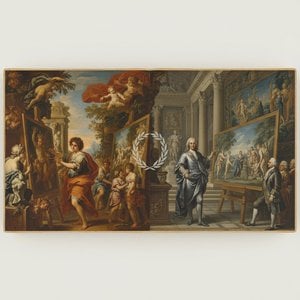
Explore the life & art of Simon Vouet, a pivotal French Baroque painter who introduced Italian styles to France. Discover his masterpieces and lasting influence on 17th-century art.

Explore the dramatic world of Baroque art! Discover iconic artists like Caravaggio & Rubens, defining techniques, and its lasting impact on art history. Expert insights for collectors & enthusiasts at WahooArt.

Explore the life & art of Charles Le Brun, master of French Baroque Classicism. Discover his royal commissions, influence on Versailles, and enduring legacy through detailed analysis & stunning artworks.
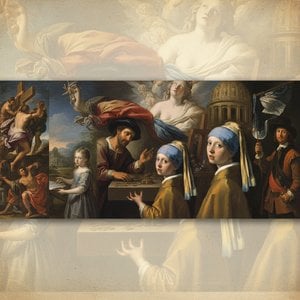
バロック美術の華!カラヴァッジョ、ベルニーニら巨匠が創り上げた10大名作を徹底解剖。ドラマチックな色彩と豪華絢爛の世界観に触れ、至宝のアートプリントで空間を彩ろう。WahooArt.comで美術館品質の複製と洗練されたインテリアを見つけましょう!

バロック様式の歴史、絵画、家具の魅力をご紹介。WahooArtでは、高品質な油絵複製やカスタムポートレートをご提供し、現代のインテリアに壮麗さと情感を取り入れます。アートコンサルテーションも承ります。
 設置イメージを表示
 シェアする
シェアする シェアする
シェアする
 詳細を見る
詳細を見る ガイドを表示

 ダウンロード
 似ている作品
 X線調査
X線調査 スライドショーを表示
 Q&A
Q&A
 統計情報
統計情報


 詳細を表示
詳細を表示









 ガラスオプションは、110cm未満のサイズでのみご利用いただけます。


