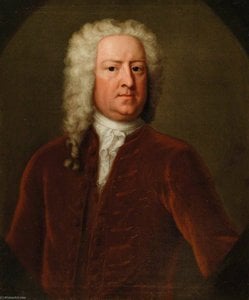
OilWallArtContemporary Expressionism
 2016Contemporary
 200.0 x 151.0 cm
 メトロポリタン美術館
オンラインプレビューをはるかに凌ぐ、高解像度で鮮明なデジタル画像をご購入いただけます。
各ファイルは、社内の専門家が高度なツールと熟練した手作業によるレタッチを駆使し、細心の注意を払って仕上げています。すべての画像において、卓越した鮮明度、正確な色彩再現性、そして繊細なディテールをお約束いたします。
最終ファイルは、プロフェッショナルな編集・印刷環境ですぐにご利用いただけるよう最適化された状態で、72時間以内にメールにてお届けいたします。これは、一流のデザインスタジオ、出版社、ギャラリーから信頼されているものと同等の品質です。
個人での鑑賞、印刷、クリエイティブなプロジェクトにご利用いただける高解像度ファイルをダウンロードできます。 ( プリント版に切り替え 手描きの複製画を注文する)
WahooArt.com を選ぶことは、単に画像を手に入れることではありません。プロの手によって精密に仕上げられ、満足保証が付いた高品質なデジタルアートワークを受け取ることを意味します。ご注文いただいた際に自動的に付随する内容は、以下の通りです:
ご注文から72時間以内に、高解像度のデジタル画像ファイルをメールでお送りいたします。お手元に届き次第、すぐにご利用いただけます。
お客様の作品は、高度なAI技術と専門家による手作業を組み合わせてプロフェッショナルに最適化されており、細部のディテール、鮮明さ、そして正確な色再現性を最大限に引き出しています。
ファイルを誤って削除したり、紛失してしまったりしましたか?ご安心ください。いつでも無料で再送いたします。
関税や手数料、配送料を気にすることなく、お気に入りのアートワークをすぐにお楽しみいただけます。デジタルダウンロードは常に免税です。
プロ仕様のツールとカラーマネジメント技術を用いることで、デジタル画像が元の色を最大限に忠実に再現することを保証いたします。
ご購入いただいたデジタル画像にご満足いただけない場合は、100日以内であれば、理由を問わず修正または100%の返金対応をさせていただきます。
ご満足いただけない場合は、デジタルファイルを受け取ってから100日以内であれば、理由を問わず全額返金いたします。
3枚購入で10%OFF、5枚購入で15%OFF、10枚以上のご購入で20%OFF。クリエイティブなプロジェクトやギャラリー、エージェンシーに最適です。
In the profound and arresting work “Necklacing,” created in 2016 by the acclaimed Kenyan artist Michael Armitage, viewers are invited into a space where personal vulnerability meets the heavy weight of historical trauma. The painting presents a striking, almost haunting image: a nude male figure dominates the central composition, bearing the immense burden of a large tire upon his head. This is not merely a surrealist gesture; it is a deliberate and harrowing reference to the "necklacing" ritual practiced during the South African apartheid era—a period marked by extreme violence and systemic injustice. Through this powerful subject matter, Armitage forces a confrontation with the ghosts of the past, transforming a historical atrocity into a timeless meditation on struggle, resilience, and the enduring scars left by societal upheaval.
The emotional resonance of the piece is amplified by its unique and culturally significant medium. Armitage utilizes lubugo, a traditional Ugandan barkcloth, as his canvas. This choice is far from incidental; the cloth itself is a vessel of history, deeply rooted in Buganda traditions and imbued with the narratives of generations. The organic, textured surface of the barkcloth provides a tactile depth that standard canvas cannot replicate, allowing the imperfections and natural fibers of the material to interact with the paint. By marrying this ancient East African substrate with contemporary oil painting techniques, Armitude creates a dialogue between ancestral heritage and modern expression, making the artwork feel as though it is emerging directly from the earth and its history.
Visually, “Necklacing” is a masterclass in expressive abstraction and controlled chaos. The artist employs a rich, saturated palette where bold reds and intense pinks clash against earthy, somber tones. These vibrant hues are not merely decorative; they serve as symbolic conduits for passion, anger, and the sacrificial nature of the subject matter. The brushwork is gestural and fluid, with thick, impasto-like applications of paint that create a sense of movement and instability. This technique mirrors the psychological turbulence of the scene, where scattered geometric shapes and amorphous forms drift through the background like fragments of a fractured memory.
For the discerning collector or interior designer, this piece offers an unparalleled opportunity to introduce a work of profound intellectual and aesthetic depth into a curated space. The painting’s dynamic, asymmetrical composition and dramatic use of light and shadow ensure that it commands attention, acting as a powerful focal point in any sophisticated setting. Whether viewed as a study in the complexities of dual identity—reflecting Armitage's own Kenyan and English heritage—or as a breathtaking example of modern expressionism, “Necklacing” remains an unforgettable testament to the power of art to confront the uncomfortable while celebrating the beauty of human endurance.
「Necklacing」は2016年に制作されました。この制作年は、マイケル・アーミテッジのキャリアおよびその時代の文脈において、本作を位置づけるものです。
2016年に「Necklacing」が制作された際、1984年生まれのマイケル・アーミテッジは32歳でした。
マイケル・アーミテッジ作「Necklacing」 の記録された輝度は Soft Shadow です。
マイケル・アーミテッジ作「Necklacing」の技法はOilで、記録されているサイズは200 x 151 cmです。
「Necklacing」を手がけたアーティストはマイケル・アーミテッジです。この作品はマイケル・アーミテッジの名でカタログに登録されています。
マイケル・アーミテッジ作「Necklacing」は、african tragedy, social commentary, barkcloth art, symbolic violence, ugandan culture, contemporary art, human burdenを描き出し、Dramaticな情緒を湛えています。主題と雰囲気が相まって、作品の物語を形作っています。
「Necklacing」は、Kenyaに生まれたマイケル・アーミテッジによって、Contemporary Expressionismのムーブメントの中で制作されました。アーティストの出自は、この作品をKenyaのアーティストたちが実践したContemporary Expressionismへと結びつけています。

Born in Nairobi, Kenya, in 1984 to an English father and a Kikuyu mother, Michael Armitage’s artistic journey is deeply intertwined with his dual heritage. Growing up amidst the vibrant landscapes and complex social realities of Kenya shaped his early sensibilities, fostering a fascination with storytelling and a profound connection to both its traditions and its contemporary struggles. This formative period instilled in him a unique perspective – one that would later become the cornerstone of his distinctive artistic style.
Armitage’s formal training began at the Slade School of Fine Art in London, where he initially explored abstract painting. However, a pivotal shift occurred when he encountered the traditional Ugandan bark cloth, known as lubugo, used for ceremonial purposes and often incorporating imperfections and historical narratives within its very fibers. This material, with its inherent fragility and textural complexity, proved to be an ideal medium for his evolving artistic vision. He began working on lubugo in 2014, a decision that fundamentally altered the trajectory of his work, grounding it in East African culture and history while simultaneously allowing him to push the boundaries of traditional painting techniques.
Armitage’s paintings are not simply depictions of scenes; they are layered narratives steeped in symbolism and often confronting themes of violence, displacement, and memory. He frequently draws inspiration from historical events – particularly the South African apartheid era and its lingering impact on Uganda – weaving together personal experiences with broader socio-political contexts. A powerful example of this is ‘Necklacing’ (2014), a visceral oil painting on lubugo that depicts the brutal act of necking, a form of vigilante justice used during apartheid to punish black activists. The work's raw emotion and expressive brushwork powerfully convey the tragedy and injustice at its core.
His exploration of trauma extends beyond specific historical events. Armitage’s work often engages with themes of displacement, migration, and the complexities of identity. He has spoken about his sister’s experiences as a gay man in Kenya, where homosexuality is illegal, and this personal narrative informs many of his paintings, creating poignant dialogues between individual stories and broader societal issues. The use of fragmented imagery, distorted perspectives, and symbolic color palettes contributes to the overall sense of unease and invites viewers to contemplate the hidden narratives embedded within each piece.
Armitage’s artistic process is as distinctive as his subject matter. The use of lubugo, a material traditionally associated with death and mourning in Uganda, immediately imbues his paintings with a sense of history and cultural significance. The cloth's inherent imperfections – its holes, wrinkles, and variations in texture – force Armitage to adapt his painting techniques, creating a unique visual language that is both challenging and rewarding.
He often works with thinned paint, allowing it to bleed and seep into the fibers of the lubugo, further blurring the boundaries between image and material. This process not only creates a tactile quality in his paintings but also emphasizes the materiality of the medium itself, reminding viewers of the inherent history and cultural context embedded within the artwork. His exploration of color is equally deliberate, employing vibrant hues alongside muted tones to evoke a range of emotions – from joy and exuberance to sorrow and despair.
Michael Armitage’s work has garnered significant international recognition in recent years. He was selected as one of the featured artists at the 2019 Venice Biennale, a prestigious event that catapulted him onto the global art scene. His paintings have been exhibited at major museums and galleries around the world, including the Museum of Modern Art in New York City, the Swiss Kunsthalle Basel, and the Norval Foundation in Cape Town.
In 2023, a Sotheby’s auction saw one of his works, “Muliro Gardens (baboons)” (2016), sell for over $2.2 million, establishing him as a significant contemporary artist commanding high prices on the international market. Furthermore, in May 2025, "Mpeketoni" (2015) sold for $2.37m at Sotheby’s, solidifying his position within the art world. His recent design of a new £1 coin for the United Kingdom, set to be issued in 2023, further demonstrates his growing influence and recognition beyond the realm of fine art.
Michael Armitage's work stands as a powerful testament to the intersection of personal experience, cultural heritage, and artistic innovation. His unique approach to painting – utilizing unconventional materials, exploring complex narratives, and embracing the inherent imperfections of his chosen medium – has established him as a compelling voice in contemporary art, inviting viewers to engage with profound questions about history, memory, and identity.

1984 -

 設置イメージを確認
 送る
送る シェア
シェア
 詳細情報
詳細情報 ガイドを表示

 画像をダウンロード
 似ている作品
 X線調査
X線調査 スライドショー
 統計情報
統計情報 続きを読む
続きを読む