


このページに掲載されている作品は著作権法によって保護されており、当社の許可なく同一の複製物を制作または販売することは法律で禁じられています。この保護は、以下のような国際条約に基づき執行されます。 ベルヌ条約 および、以下の条項に定められたものを含む各国の法律により、 米国著作権法 第17編。
この手法は、著作権で保護された作品の複製や複写を伴わないため、著作権法に完全に準拠しています。これは単なる模倣ではなく、創造的な再解釈です。元の作品からインスピレーションを受けつつも、それとは異なる、全く新しい絵画を生み出すものです。
スピーディーな制作と多彩な仕上げオプションが魅力の、ミュージアムクオリティなジークレー・キャンバスプリント。 ( 手描き複製画を注文する デジタル画像販売へ切り替え)





























作品のオリジナル比率に合わせた、当店の規定サイズからお選びください。

額縁や壁のスペースに合わせて、ご希望の幅と高さを入力してください。プリントはカットすることは可能ですが、元の画像より大きくすることはできないため、異なる比率のサイズを選択された場合は、画像の一部が欠けることになります。印刷を開始する前に、内容を確認していただくためのデジタルモックアップをお送りいたします。このページに表示されている画像は、実際のカット後の状態を示すものではありません。実際の仕上がりはモックアップにてご確認ください。
Virgin and Child Enthroned
複製画サイズ一覧
Within the hushed galleries of museums and private collections resides a captivating miniature masterpiece – Hans Memling's “Virgin and Child Enthroned,” painted circa 1480. More than just a devotional image, this small panel offers a profound glimpse into the artist’s meticulous technique, his deep understanding of symbolism, and the prevailing spiritual atmosphere of late medieval Bruges. It’s a scene brimming with quiet dignity, maternal tenderness, and an almost palpable sense of divine grace – a testament to Memling's mastery of creating intimate moments within a grander narrative.
Memling, born in Seligenstadt, Germany, but ultimately establishing his career in the vibrant artistic hub of Bruges, was a pivotal figure in the Early Netherlandish movement. Trained initially under Rogier van der Weyden, he quickly developed a distinctive style characterized by remarkable detail, luminous colors, and an almost sculptural quality to his figures. Unlike some of his contemporaries who favored dramatic narratives, Memling excelled at capturing serene, contemplative scenes – often centered around the Virgin Mary and Christ Child. This particular piece exemplifies that strength, offering a rare moment of quiet intimacy within the context of Christian iconography.
The composition itself is deceptively simple yet profoundly rich in symbolic meaning. The Virgin Mary sits upon an elaborate throne, not of stone or metal, but rendered as a richly carved wooden structure – a deliberate choice that elevates the scene to a realm beyond the earthly. This throne, adorned with intricate tracery and volute armrests, isn’t merely a prop; it represents the divine authority and majesty of the Mother of God. Below her, Christ Child is enthroned upon her lap, his youthful face radiating an almost otherworldly serenity. The positioning—Mary's hand gently supporting the infant—immediately evokes the image of nursing, symbolizing not only physical nourishment but also spiritual sustenance.
Notice the careful attention to detail throughout the painting. The drapery is rendered with exquisite precision, each fold and pleat meticulously depicted. The light, emanating from an unseen source, bathes the scene in a soft, diffused glow, creating a sense of warmth and tranquility. Even the background landscape—a stylized depiction of a wooded area—contributes to the overall atmosphere of serenity and contemplation. The inclusion of a small cloth of honor, reminiscent of those used for royalty, further emphasizes Mary’s elevated status as Queen of Heaven.
Adding another layer of complexity is the presence of an unidentified donor kneeling before the Virgin and Child. His posture suggests reverence and devotion, while his inclusion subtly references the tradition of commissioning religious art – a common practice among wealthy patrons of the time. Interestingly, the figure’s features are somewhat obscured, perhaps reflecting the artist's desire to focus attention on the central figures or hinting at the anonymity often associated with donors in such works. The presence of Saint George, depicted as a limp and lifeless dragon, reinforces the narrative of Christ’s sacrifice and redemption.
The painting is deeply rooted in the iconography of the era. Elements like the iris (representing sorrow) and the columbine (symbolizing mourning) subtly underscore the themes of loss and suffering associated with the life of Christ. Furthermore, it echoes earlier works by Rogier van der Weyden, particularly his “Virgin and Child Enthroned,” demonstrating Memling’s apprenticeship and his evolution as an artist. The influence of Robert Campin is also evident in the depiction of Mary's pose and the architectural setting.
“Virgin and Child Enthroned” isn’t simply a beautiful painting; it’s a window into the soul of a Renaissance artist grappling with profound spiritual questions. Memling’s meticulous technique, combined with his deep understanding of symbolism and iconography, creates an image that is both visually stunning and emotionally resonant. It's a testament to the enduring power of art to evoke contemplation, inspire devotion, and connect us to the timeless themes of faith, love, and sacrifice. Reproductions capture only a fraction of the original’s impact, but this small panel remains a powerful reminder of the beauty and serenity that can be found within the heart of medieval art.
「Virgin and Child Enthroned」の複製画は、Living Roomに美しく調和します。
ハンス・メムリンク作「Virgin and Child Enthroned」の色調は、Subtle Colorの彩度とBalancedの強さを備えています。
1480年に「Virgin and Child Enthroned」が制作された際、1435年生まれのハンス・メムリンクは45歳でした。

ハンス・メムリンクの物語は、1430年頃、マインツ川中流域から始まります。彼の幼少期を過ごしたドイツのゼーリゲンシュタットは、後に彼が「故郷」と呼ぶことになるフランドスの地からは、遠く離れた場所でした。北方の偉大な都市々でその名を轟かせる前に、彼はまず、芸術家としての秘められた技法を習得しなければなりませんでした。マインツやケルンの工房に身を置き、長年にわたる忍耐強い研鑽と鋭い観察を通じて、彼の卓越した技術の礎が築かれていったのです。
野心が膨らむにつれ、彼の学びの場もまた、より広大なものへと広がっていきました。1455年から1460年頃にかけて、彼は活気あふれるブリュッセルの工房へと渡ります。そこで彼は、ロヒール・ファン・デル・ウェイデンという巨匠の指導を仰ぎました。油彩画における卓越した表現力と、彫刻のような立体的なモデリング技術を持つウェイデンのスタイルは、ハンス・メムリンクが人間という存在を捉える際の手法に、消えることのない深い足跡を残すこととなりました。この修行時代は、彼が後に商業の中心地であるブルージュにおいて、独自の地位を確立するための不可欠な準備期間となったのです。
彼の私生活は、輝かしい芸術家としてのキャリアと同様に、穏やかで安定したものでした。1470年から1480年の間に、彼はアンナ・デ・ヴァルケナーレを妻に迎えました。二人はブルージュの街で共に歩み、その絆からは三人の子供たちが生まれました。このような家庭的な平穏は、彼がやがてコミュニティでも有数の富裕な市民として名を連ねるほど、輝かしい芸術家としての道を歩むための、静かな、しかし確かな背景となったのです。
活気あふれる商業の中心地、ブルージュに降り立ったハンス・メムリンクは、そこに自らの高まりゆく才能を解き放つための、無限の機会と壮大な舞台を見出しました。1465年までには、彼はすでに市民としての地位を確立し、この街のコミュニティにその名を刻んでいました。彼の存在は単に街の中に留まるものではありませんでした。彼は芸術的生活の核心を担う人物となり、その卓越した存在感は地元の有力者たちの視線を釘付けにしました。彼の成功は、単なる画室の中の出来事にとどまりませんでした。その繁栄は街の公的な記録にも鮮明に刻まれており、1480年までにはブルージュで最も裕福な市民の一人として名を連ねていました。それは、彼の芸術家としての歩みが比類なき成功を収め、社会的に極めて高い敬意を払われていたことの何よりの証なのです。
ブルージュでの生活は、社会的・経済的な地位の着実な上昇によって彩られていました。1470年から1480年の間にアンナ・デ・ヴァルケナーレを妻に迎え、二人は街の城壁の中で三人の子供たちを育て上げました。この家庭的な安定は、彼が大規模な工房を築き上げるための強固な基盤となりました。その工房は、地域の経済を支える重要な役割を果たすまでになったのです。彼は1494年8月11日にその生涯を閉じるまで、このフランドルの中心地で生き、描き続けました。晩年に至るまで、彼の芸術的な影響力は、自らの手でその輪郭を形作ってきた街の路地や諸機関の中に、深く、静かに根を下ろし続けていたのです。
活気に満ちたブルージュの街角において、ハンス・メムリンクは多大な富と影響力を備えた人物としてその地位を確立していました。1480年までには、市の納税記録にその名が最も裕福な市民の一人として刻まれており、それは彼が運営する大規模な工房の目覚ましい成功を物語っています。彼のスタジオは、まるで蜂の巣のように絶え間ない活動に満ちていました。そこでは、繁栄する社会の増大する需要に応えるべく、多くの助手が彼の指揮のもとで筆を動かしていたのです。彼は決して孤独な芸術家ではありませんでした。むしろ、自身の独特な絵画様式を、自宅の壁を越えて遠方へと広めていくための、実に見事な芸術的企業を経営していたと言えるでしょう。
商業都市ブルージュの富は、芸術を通じて自らの精神的な地位を確固たるものにしようとする、絶え間ないパトロンの奔流を彼にもたらしました。彼は、聖職者や貴族、そして台頭しつつあった市民階級といった権力者たちの間で、厚い信頼を寄せられていたのです。銀行家、商人、政治家といったパトロンたちは、彼が描く聖なる場面の中に、しばしば自らの姿を投影させました。特に、宗教的な構図の中に寄進者の肖像を組み込むことにおいて、彼は比類なき才能を発揮しました。それにより、聖人たちの傍らで、寄進者である男女が永遠の祈りを捧げ続ける姿が描き出されたのです。こうした依頼は、単なる信仰心の表れであるだけでなく、それらを注文した人々の社会的地位を誇示する鏡でもありました。
また、街の宗教施設に対する彼の役割は、頻繁かつ極めて重要なものでした。例えば1477年には、ブルージュの製本職人ギルドの礼拝堂のために、祭壇画を制作する契約を結んでいます。こうした作品には、聖なる物語の叙事詩的な展開と、地域社会の有力者たちの個人的な存在感との間に、繊細な調和を生み出すことが求められました。こうした数々の契約を通じて、ハンス・メムリンクは生ける人々の顔を神聖な物語の織り糸へと編み込み、自らの生計を立てると同時に、この街の歴史の中に消えることのない足跡を刻み込んだのです。
ハンス・メムリンクの筆致は、初期ネーデルラント絵画の伝統を定義づける、目に見える世界への深い献身に満ちています。彼は単に人物を描くのではなく、自然の極めて細かなディテールを丹念に観察することで、その本質そのものを捉えようと試みました。光に対する深い洞察に基づいた油彩技法を用いることで、彼は彫刻的なモデリングを実現し、描かれた主題に圧倒的な実在感を与えました。それはまるで、木製のパネルの中から人物がそのまま部屋へと歩み寄ってくるかのような錯覚さえ抱かせるほどです。この卓越した技術力によって、重厚なドレープの襞や、肌の繊細な質感までもが、目にする者を驚愕させるほどの明晰さで描き出されているのです。
肖像画において、彼は静謐な調和を生み出すための独自の構成美を確立しました。しばしば、人物の背後に広大な風景を配することで、前景と背景との間に緻密な対比を生み出しています。この手法により、鑑賞者の視線は空のニュートラルな広がりによって人物の頭部へと導かれ、同時に、肩のラインは遠景の複雑な景色によって生命を吹き込まれます。このような構図は、画面に奥行きと安定感をもたらし、個人の存在をより広大な自然の営みの中に深く定着させているのです。
ハンス・メムリンクの手が生み出した影響力は、ブルージュの工房の壁を越え、遥か遠くまで波及していきました。数多くの助手たちを通じて、彼の独特な世界観はヨーロッパ全土へと運ばれ、多くの人々が「初期ネーデルラント絵画」の本質として認識することになる様式を広めていったのです。彼は単に絵画を描いたのではありません。後世の芸術家たちがキャンバスに向き合う際の手法を形作るような、視覚言語の規範を確立したといえるでしょう。
しかし、その偉大な功績の真の深淵は、長い歳月の経過とともに、一時、歴史の闇に隠されてしまいました。彼の名が再び歴史の表舞台へと引き揚げられたのは、19世紀になってからのことです。学術的な再発見によって、彼の作品は現代的な鑑賞の光の下へと呼び戻されました。北方のルネサンスが持つ、静謐で細密な真実を追い求める人々の中で、ハンス・メムリンクの名は瞬く間に広く知れ渡ることとなったのです。生命の微細な質感を見事に捉える彼の卓越した能力は、美術の進化を辿る者たちの記憶から、彼の名を消し去ることは決してありませんでした。

1435 - 1494 , ドイツ
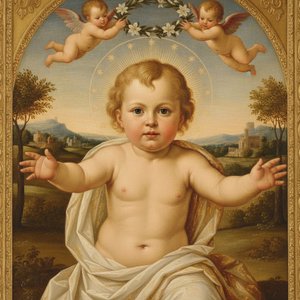
Explore the profound beauty of Baby Jesus in fine art history. From Raphael's Renaissance masterpieces to symbolic light, discover how classical painters captured divine innocence through masterful technique and sacred iconography.

Journey through the divine elegance of Duccio di Buoninsegna. Explore 25 iconic Sienese masterpieces, from the Maestà to the Rucellai Madonna. Find inspiration for museum-quality art reproductions and timeless decor. Discover all masterpieces on WahooArt.com.

Journey through history with the 25 most iconic masterpieces from Berlin's Staatliche Museen. From Nefertiti to ancient Greek classics, explore the stories behind these timeless treasures and find museum-quality art reproductions for your decor. Discover all masterpieces on WahooArt.com.

Immerse yourself in the profound emotion of Rogier van der Weyden. Explore 25 iconic Early Netherlandish masterpieces, from intricate textures to divine pathos. Find inspiration for museum-quality art reproductions and decor. Discover all masterpieces on WahooArt.com.

Embark on a profound journey through art history with our exploration of the most iconic depictions of the Virgin Mary. Discover the divine grace, symbolism, and masterful techniques found in Renaissance masterpieces and sacred iconography.
 設置イメージを表示
 シェアする
シェアする シェアする
シェアする
 詳細を見る
詳細を見る ガイドを表示

 ダウンロード
 似ている作品
 X線調査
X線調査 スライドショーを表示
 Q&A
Q&A
 統計情報
統計情報


 詳細を表示
詳細を表示









 ガラスオプションは、110cm未満のサイズでのみご利用いただけます。


