


このページに掲載されている作品は著作権法によって保護されており、当社の許可なく同一の複製物を制作または販売することは法律で禁じられています。この保護は、以下のような国際条約に基づき執行されます。 ベルヌ条約 および、以下の条項に定められたものを含む各国の法律により、 米国著作権法 第17編。
この手法は、著作権で保護された作品の複製や複写を伴わないため、著作権法に完全に準拠しています。これは単なる模倣ではなく、創造的な再解釈です。元の作品からインスピレーションを受けつつも、それとは異なる、全く新しい絵画を生み出すものです。
スピーディーな制作と多彩な仕上げオプションが魅力の、ミュージアムクオリティなジークレー・キャンバスプリント。 ( 手描き複製画を注文する デジタル画像販売へ切り替え)





























作品のオリジナル比率に合わせた、当店の規定サイズからお選びください。

額縁や壁のスペースに合わせて、ご希望の幅と高さを入力してください。プリントはカットすることは可能ですが、元の画像より大きくすることはできないため、異なる比率のサイズを選択された場合は、画像の一部が欠けることになります。印刷を開始する前に、内容を確認していただくためのデジタルモックアップをお送りいたします。このページに表示されている画像は、実際のカット後の状態を示すものではありません。実際の仕上がりはモックアップにてご確認ください。
The Donne Triptych (centre panel)
複製画サイズ一覧
Hans Memling's centre panel of *The Donne Triptych*, painted around 1475, is not merely a religious artwork; it’s a meticulously crafted testament to faith, status, and the burgeoning artistic sensibilities of the Early Netherlandish Renaissance. The scene unfolds with a quiet intimacy, depicting the Virgin Mary tenderly holding the Christ Child, surrounded by a group of women whose expressions are imbued with reverence and gentle contemplation. The composition isn't grand or dramatic; instead, it draws the viewer into a space of serene devotion, inviting shared participation in this sacred moment. The figures, rendered with Memling’s characteristic precision, possess an almost tangible presence, their richly detailed garments and delicate features revealing his mastery of oil painting techniques.
To understand *The Donne Triptych*, one must consider its origins within the vibrant artistic milieu of Bruges. Memling arrived in this flourishing commercial hub after a formative apprenticeship with Rogier van der Weyden in Brussels, absorbing the lessons of emotional depth and refined detail that defined Van der Weyden’s style. However, Memling quickly developed his own distinct voice – one characterized by a serene clarity and an exquisite attention to texture and light. Bruges, as a major center for trade and cultural exchange, attracted patrons from across Europe, including Sir John Donne, the commissioner of this triptych. The presence of such discerning collectors fueled artistic innovation, encouraging artists like Memling to push the boundaries of realism and symbolism.
The painting is replete with symbolic elements that would have resonated deeply with a 15th-century audience. The books scattered throughout the scene likely represent religious texts or allude to learning and spiritual knowledge. The inclusion of Saints Catherine and Barbara, identifiable by their respective attributes (the wheel and tower), speaks to the specific devotional preferences of the Donne family. Even the presence of the horse on the left side isn’t arbitrary; it may symbolize strength, nobility, or even Christ's entry into Jerusalem. The subtle details – the delicate embroidery on the garments, the gleaming surfaces of the jewelry, the carefully rendered folds of drapery – all contribute to a sense of opulent realism that elevates the scene beyond mere representation. The very act of commissioning such an elaborate triptych was itself a statement of piety and social standing.
What truly sets *The Donne Triptych* apart is its enduring emotional impact. Memling doesn’t overwhelm the viewer with dramatic gestures or theatrical displays; instead, he creates an atmosphere of quiet contemplation and heartfelt devotion. The tender interaction between Mary and Jesus, the respectful gazes of the surrounding women, and the dignified presence of Sir John Donne and his family all contribute to a sense of profound spiritual connection. The painting invites us to reflect on themes of faith, motherhood, and the enduring power of divine grace. A reproduction of this masterpiece brings not only artistic beauty into a space but also a timeless message of hope and serenity.
ハンス・メムリンク作「The Donne Triptych (centre panel)」の色彩構成は、StatementなコントラストとSoftly Mixed Paletteな調和を併せ持っています。
「The Donne Triptych (centre panel)」の色彩の調和は、Softly Mixed Paletteと表現されます。
「The Donne Triptych (centre panel)」の明暗のコントラストはStatementと記録されています。コントラストとは、明るい部分と暗い部分がどの程度強く異なっているかを表す指標です。


ドイツ

Embark on a visual journey through Early Medieval art. Explore the profound beauty of illuminated manuscripts, sacred symbols, and golden light through an expert historical lens, celebrating the enduring legacy of medieval craftsmanship and divine artistry.

Embark on a scholarly journey through the sacred beauty of High Medieval art. Discover the profound symbolism, luminous iconography, and spiritual depth of Gothic masterpieces in this expert guide for classical art enthusiasts.
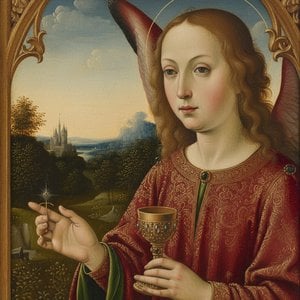
Embark on a journey through the luminous world of Early Netherlandish art. Discover the revolutionary oil techniques, microscopic realism, and sacred symbolism used by masters like Jan van Eyck to redefine Western art history in this expert-led guide.

Embark on a scholarly journey through the spiritual grandeur of Late Medieval art. Discover the intricate symbolism, technical mastery, and profound religious narratives that define the Gothic era in this expert-led guide for art enthusiasts and collectors.
 設置イメージを表示
 シェアする
シェアする シェアする
シェアする
 詳細を見る
詳細を見る ガイドを表示

 ダウンロード
 似ている作品
 X線調査
X線調査 スライドショーを表示
 Q&A
Q&A
 統計情報
統計情報

 詳細を表示
詳細を表示









 ガラスオプションは、110cm未満のサイズでのみご利用いただけます。


