
迅速な制作と多彩な仕上げオプションを備えた、ミュージアムクオリティのジークレーまたはキャンバスプリント。 ( 手描きの絵画を購入 デジタル画像販売へ切り替え)





























作品のオリジナル比率に合わせた、当店の規定サイズからお選びください。

特定のフレームやスペースに合わせて、ご自身でサイズを指定することも可能です。選択されたサイズが元の画像の比率と一致しない場合、作品をトリミングするか、鏡面反射または単色での塗りつぶしによって画像を拡張いたします。制作を開始する前に、ご確認用のデジタルモックアップをお送りいたします。
画面上のプレビューには、実際のトリミングや拡張は反映されませんのでご注意ください。最終的な構図を正確に確認できるのは、モックアップのみとなります。
カスタムサイズも承っておりますが、元の比率を維持するためには、あらかじめ用意されたリストからサイズを選択することをお勧めいたします。

The Donne Triptych, center panel
複製画のサイズ
Hans Memling's center panel of The Donne Triptych is not merely a painting; it’s a meticulously crafted portal into the spiritual and social world of fifteenth-century Bruges. Completed around 1478, this exquisite work offers an intimate glimpse into the piety and aspirations of Sir John Donne, a courtier in the service of Edward IV of England, and his family. The scene unfolds with a quiet reverence, depicting Donne kneeling in humble adoration before the Virgin Mary and the Christ Child, accompanied by his wife Elizabeth Hastings and their daughter. The composition isn’t grand or theatrical; instead, it possesses an understated elegance that draws the viewer into a moment of deeply personal devotion.
Memling, having honed his skills under Rogier van der Weyden, masterfully blends realism with spiritual depth. The figures are rendered with astonishing detail – observe the delicate folds of their garments, the subtle blush on Lady Donne’s cheeks, and the individualized features that hint at personality. This meticulous attention to detail is characteristic of Early Netherlandish painting, a style renowned for its precise observation of the natural world and its symbolic language. Saints Catherine and Barbara flank the family, acting as intercessors and adding layers of meaning. Saint Catherine, with her wheel, represents intellectual pursuits and martyrdom, while Saint Barbara, often depicted with a tower, symbolizes protection and divine wisdom. The inclusion of these saints wasn’t arbitrary; they were likely chosen for their personal significance to Sir John Donne or his family.
Beyond its religious subject matter, The Donne Triptych also functions as a subtle display of status and allegiance. Both Sir John and Lady Donne wear the livery collars of Edward IV, adorned with suns and roses – emblems of the House of York. This detail isn’t simply decorative; it's a clear statement of their political loyalty during a period of intense conflict in England known as the Wars of the Roses. The painting, therefore, becomes a visual testament to their position within the royal court and their commitment to the reigning dynasty. The clock suspended above the scene is also noteworthy, perhaps symbolizing the passage of time and the importance of seizing every moment for spiritual contemplation. Even the book held by one of the figures hints at learning and intellectual pursuits.
What truly sets this work apart is its emotional resonance. Memling doesn’t overwhelm us with dramatic gestures or exaggerated expressions; instead, he conveys a sense of quiet contemplation and sincere faith. The gazes of the figures are directed towards the Virgin and Child, creating a palpable connection between the earthly realm and the divine. The soft lighting and harmonious color palette further enhance this atmosphere of serenity and reverence. For those seeking to bring a touch of timeless beauty and spiritual depth into their homes, a reproduction of The Donne Triptych offers more than just aesthetic appeal; it provides a window into a bygone era, inviting contemplation and inspiring a sense of peace.


ドイツ
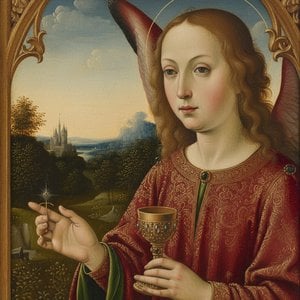
Embark on a journey through the luminous world of Early Netherlandish art. Discover the revolutionary oil techniques, microscopic realism, and sacred symbolism used by masters like Jan van Eyck to redefine Western art history in this expert-led guide.


 プレビュー
プレビュー
 シェアする
シェアする シェアする
シェアする
 詳細を見る
詳細を見る

 ダウンロード
 似ている作品
 X線調査
X線調査 スライドショー
 統計情報
統計情報

 詳細を見る
詳細を見る









 ガラスオプションは、110cm未満のサイズでのみご利用いただけます。


