
 Oil On CanvasWallArtEarly Netherlandish Painting
 1487
1487 45.0 x 34.0 cm
 ウフィツィ美術館
迅速な制作と多彩な仕上げオプションを備えた、ミュージアムクオリティのジークレーまたはキャンバスプリント。 ( 手描きの絵画を購入 デジタル画像販売へ切り替え)





























作品のオリジナル比率に合わせた、当店の規定サイズからお選びください。

特定のフレームやスペースに合わせて、ご自身でサイズを指定することも可能です。選択されたサイズが元の画像の比率と一致しない場合、作品をトリミングするか、鏡面反射または単色での塗りつぶしによって画像を拡張いたします。制作を開始する前に、ご確認用のデジタルモックアップをお送りいたします。
画面上のプレビューには、実際のトリミングや拡張は反映されませんのでご注意ください。最終的な構図を正確に確認できるのは、モックアップのみとなります。
カスタムサイズも承っておりますが、元の比率を維持するためには、あらかじめ用意されたリストからサイズを選択することをお勧めいたします。

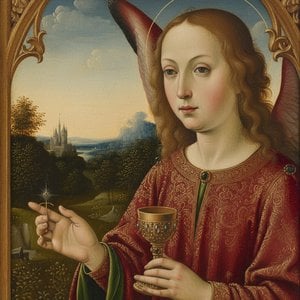
Portinari Triptych (right wing)
複製画のサイズ
The right wing of Hans Memling's 1487 *Portinari Triptych*, a masterpiece now housed within the Uffizi Gallery in Florence, isn’t merely a portrait; it’s a carefully constructed tableau of wealth, piety, and familial devotion. It depicts Benedetto Portinari, a prominent Florentine banker and merchant, rendered with an exquisite realism that speaks to Memling's mastery of detail and his deep understanding of the Renaissance ideal of humanism. More than just a likeness, this panel embodies the spirit of its commission – a testament to the burgeoning mercantile power of Florence and the lavish patronage that fueled artistic innovation during the late 15th century.
Memling’s technique here is characterized by an almost obsessive attention to texture and light. The rich velvet of Portinari's robe, meticulously rendered with countless individual stitches, practically seems to shimmer under the imagined Florentine sun. The subtle gradations of color in his garments – from deep purples to muted browns – create a sense of depth and volume rarely achieved by earlier artists. Notice, too, the delicate handling of the fabric folds, suggesting both its luxuriousness and the weight of Portinari’s status. The background is deliberately simple, a dark void that serves only to accentuate the figure's presence and highlight his wealth and importance.
Beyond the sheer beauty of the portrait lies a complex web of symbolism. Portinari’s attire – the deep purple velvet, the intricate gold embroidery – immediately signals his elevated social standing and financial prosperity. These were not merely fashionable choices; they were visual declarations of wealth, reflecting his position within Florence's thriving merchant class. The open book in his hand is equally significant. It represents both his intellectual pursuits and his devout faith, suggesting a man who balances worldly success with spiritual contemplation. The gesture of prayer, subtly conveyed through the slight parting of his lips, reinforces this duality.
Crucially, the panel’s placement within the larger triptych – alongside a depiction of his saintly patron, Saint Benedict – establishes a clear devotional context. The pairing underscores Portinari's piety and his desire to honor his namesake, linking his earthly success with divine favor. The mirrored composition of the left and right wings further emphasizes this thematic unity, creating a harmonious whole that speaks to the interconnectedness of wealth, faith, and family.
Understanding Memling's work requires acknowledging his formative years in Bruges, a vibrant center of artistic production during the 15th century. He apprenticed under Rogier van der Weyden, a master of oil painting and sculptural modeling, absorbing the techniques and sensibilities that would define his own distinctive style. The influence of Van der Weyden is evident in Memling’s meticulous attention to detail, his sophisticated use of color, and his ability to capture the psychological nuances of his subjects. However, Memling quickly developed his own unique voice, characterized by a greater emphasis on realism and a more intimate portrayal of human emotion.
The *Portinari Triptych* represents a pivotal moment in Memling’s career, marking a shift towards a more independent artistic vision. It demonstrates his growing mastery of technique and his ability to synthesize the influences of his predecessors with his own innovative approach. The panel's exquisite craftsmanship and profound symbolism continue to captivate viewers today, offering a rare glimpse into the world of Florentine patronage and the flourishing art scene of 15th-century Bruges.


ドイツ

Embark on a journey through the exquisite precision of Flemish Art. Discover the pioneering oil techniques, profound symbolism, and luminous realism that define the Northern Renaissance masters in this expert guide for art enthusiasts.

Delve into the luminous revolution of Early Netherlandish painting. Unveil how Jan van Eyck and Flemish masters pioneered oil techniques to achieve unparalleled depth, sacred symbolism, and breathtaking realism, forever shaping the legacy of Western art history.
Embark on a journey through the luminous world of Early Netherlandish art. Discover the revolutionary oil techniques, microscopic realism, and sacred symbolism used by masters like Jan van Eyck to redefine Western art history in this expert-led guide.

Discover the profound allure of oil on canvas. Explore the mastery of impasto textures, the science of pigment longevity, and expert guides to selecting museum-quality reproductions that elevate your collection with timeless elegance and tactile depth.

Explore the exquisite precision of Flemish painting. From Jan van Eyck to Robert Campin, discover the revolutionary oil techniques and rich symbolism that defined the Northern Renaissance and continue to inspire fine art collectors today.


 プレビュー
プレビュー
 シェアする
シェアする シェアする
シェアする
 詳細を見る
詳細を見る

 ダウンロード
 似ている作品
 X線調査
X線調査 スライドショー
 統計情報
統計情報 詳細を見る
詳細を見る









 ガラスオプションは、110cm未満のサイズでのみご利用いただけます。


