
 Oil On PanelEarly Netherlandish Painting
 1491
1491 205.0 x 150.0 cm
 Museum für Kunst und Kulturgedichte
迅速な制作と多彩な仕上げオプションを備えた、ミュージアムクオリティのジークレーまたはキャンバスプリント。 ( 手描きの絵画を購入 デジタル画像販売へ切り替え)





























作品のオリジナル比率に合わせた、当店の規定サイズからお選びください。

特定のフレームやスペースに合わせて、ご自身でサイズを指定することも可能です。選択されたサイズが元の画像の比率と一致しない場合、作品をトリミングするか、鏡面反射または単色での塗りつぶしによって画像を拡張いたします。制作を開始する前に、ご確認用のデジタルモックアップをお送りいたします。
画面上のプレビューには、実際のトリミングや拡張は反映されませんのでご注意ください。最終的な構図を正確に確認できるのは、モックアップのみとなります。
カスタムサイズも承っておりますが、元の比率を維持するためには、あらかじめ用意されたリストからサイズを選択することをお勧めいたします。

Passion (Greverade) Altarpiece (central panel)
複製画のサイズ
To stand before this depiction of the Passion (Greverade) Altarpiece is to be enveloped in an atmosphere thick with solemnity and profound human drama. This monumental work, dating from 1491, transports the viewer directly into one of Christianity's most pivotal moments: the crucifixion of Jesus Christ. The composition itself is a masterclass in narrative intensity, utilizing a vertical format that draws the eye upward toward the ultimate sacrifice. It speaks not merely of an event recorded in scripture, but of the enduring weight of redemption, rendered with the meticulous devotion characteristic of the Early Netherlandish school.
Hans Memling’s hand is unmistakable here—a signature blend of exquisite realism coupled with a spiritual depth that transcends mere portraiture. Observe the handling of the materials: the oil paints are layered in delicate glazes, allowing light to interact with the surface in a luminous manner. This technique gives the skin tones an almost palpable softness, while the rich textures of the drapery—the heavy folds of mourning garments against the stark white of Christ’s robes—are rendered with breathtaking precision. The artist pays obsessive attention to every element, from the subtle sheen on the onlookers' clothing to the minute details adorning the crown of thorns, where touches of gold leaf catch the unseen light.
The setting is far from a simple backdrop; it is an active participant in the narrative. The landscape elements ground the divine event in earthly reality, creating a sense of compressed, dramatic space that heightens the emotional tension. Every figure surrounding the cross—the grieving women, the stoic soldiers, the curious onlookers—is imbued with symbolic weight. They are not just witnesses; they represent humanity’s varied responses to suffering: grief, awe, detachment, and devotion. The cross itself remains the unwavering focal point, a stark symbol of sacrifice against the muted palette dominated by earthy ochres, deep browns, and somber reds.
For those seeking art that commands attention while whispering tales of enduring faith, this reproduction offers unparalleled depth. The emotional impact is immediate; it compels contemplation. While its subject matter is sacred, its artistic execution—the masterful composition, the rich color harmony, and the sheer technical brilliance—makes it a breathtaking centerpiece for any grand hall or contemplative space. Owning a piece echoing Memling’s genius means bringing home not just an image, but a tangible connection to the pinnacle of Northern Renaissance artistry.


ドイツ
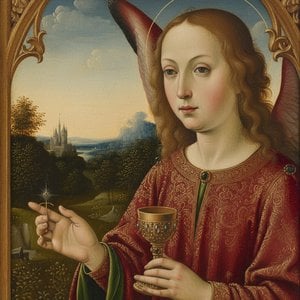
Embark on a journey through the luminous world of Early Netherlandish art. Discover the revolutionary oil techniques, microscopic realism, and sacred symbolism used by masters like Jan van Eyck to redefine Western art history in this expert-led guide.

Delve into the luminous revolution of Early Netherlandish painting. Unveil how Jan van Eyck and Flemish masters pioneered oil techniques to achieve unparalleled depth, sacred symbolism, and breathtaking realism, forever shaping the legacy of Western art history.


 プレビュー
プレビュー
 シェアする
シェアする シェアする
シェアする
 詳細を見る
詳細を見る ガイド
ガイド

 ダウンロード
 似ている作品
 X線調査
X線調査 スライドショー
 統計情報
統計情報 詳細を見る
詳細を見る









 ガラスオプションは、110cm未満のサイズでのみご利用いただけます。


