当社のアーティストが、お客様のご希望のサイズと額縁に合わせて、キャンバスに手描きで制作する油彩画です。 ( プリント版に切り替え デジタル画像販売へ切り替え)





























作品のオリジナル比率に合わせた、当店の規定サイズからお選びください。

特定のフレームやスペースに合わせて、ご希望のサイズをご入力いただけます。選択されたサイズが元の画像の比率と異なる場合、アートワークをトリミングするか、手描きで要素を追加して絵画を拡張いたします。デジタルモックアップ を制作し、制作開始前にご確認(承認)をいただきます。
画面上のプレビューは、実際のトリミングや拡張を正確に反映しているものではありません。最終的な構図は、モックアップによってのみ正確にご確認いただけます。
カスタムサイズもご利用いただけますが、元の比率を維持するためには、あらかじめ用意されたリストからサイズを選択することをお勧めいたします。

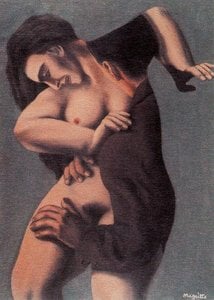
Last Judgment Triptych (detail) (23)
複製画のサイズ
This arresting detail from Hans Memling's *Last Judgment Triptych*, currently housed in the Muzeum Narodowe in Gdansk, Poland, offers a visceral glimpse into the profound emotional and spiritual anxieties that gripped Europe during the late 15th century. The scene depicts a woman consumed by distress, her hands pressed to her ears as if attempting to block out an unbearable sound – perhaps the echoes of divine judgment or the torment of sin. Her naked vulnerability, lying supine on a bed, amplifies this sense of helplessness and profound suffering, immediately drawing the viewer into her private agony.
Hans Memling (c. 1430 – August 11, 1494) stands as a cornerstone of Early Netherlandish painting, a movement defined by its meticulous realism and deeply considered symbolism. Born in Seligenstadt, Germany, Memling’s artistic journey was profoundly shaped by his apprenticeship under Rogier van der Weyden, whose mastery of oil paint and sculptural modeling instilled in Memling an unparalleled attention to detail. This influence is immediately apparent in the rendering of the woman's form – a testament to Memling's skill in capturing both physical and emotional nuance. His work was highly sought after by wealthy patrons, including the Burgundian dukes, securing his position as one of Bruges’ most prominent artists.
Within the context of the *Last Judgment Triptych*, this detail resonates with broader theological themes. The woman's pose and expression evoke the universal human experience of suffering – a central tenet of Christian belief. Her nakedness symbolizes vulnerability before God, while her gesture suggests an attempt to shield herself from divine wrath. The bed itself can be interpreted as a representation of death or a state of spiritual crisis. Memling’s ability to translate complex theological ideas into emotionally resonant imagery is a hallmark of his artistic genius.
Memling's technique, characterized by smooth glazing and subtle modeling, creates an almost ethereal quality in this detail. The oil paint allows for incredible depth and luminosity, particularly evident in the rendering of skin tones and drapery. The meticulous attention to texture – from the softness of her flesh to the folds of her garments – contributes significantly to the scene’s emotional impact. This work exemplifies Memling's lasting legacy as a master of detail and a pivotal figure in the development of Northern Renaissance art, influencing generations of artists with his profound understanding of human emotion and spiritual contemplation.


ドイツ

Master the nuances of Giclée printing with our expert guide. Discover how pigment-based inks and museum-grade substrates create fade-resistant, high-fidelity art reproductions designed for discerning collectors seeking unparalleled quality and longevity.

Unlock your creative potential with WahooArt. Learn how to scale your art business through our automated print and premium oil reproduction services, transforming your original works into a global, passive income stream without compromising academic excellence.

Discover the distinction between WahooArt's hand-painted oil masterpieces and archival Giclée prints. An expert guide for elite collectors evaluating texture, longevity, and bespoke customization for their private art collections.
Discover the distinction between WahooArt's hand-painted oil reproductions and archival Giclée prints. An expert guide for elite collectors seeking texture, depth, and museum-quality excellence for their private collections.


 プレビュー
プレビュー
 シェアする
シェアする シェアする
シェアする
 詳細を見る
詳細を見る ガイド
ガイド

 ダウンロード
 似ている作品
 X線調査
X線調査 スライドショー
 統計情報
統計情報


 詳細を見る
詳細を見る









 ガラスオプションは、110cm未満のサイズでのみご利用いただけます。