迅速な制作と多彩な仕上げオプションを備えた、ミュージアムクオリティのジークレーまたはキャンバスプリント。 ( 手描きの絵画を購入 デジタル画像販売へ切り替え)





























作品のオリジナル比率に合わせた、当店の規定サイズからお選びください。

特定のフレームやスペースに合わせて、ご自身でサイズを指定することも可能です。選択されたサイズが元の画像の比率と一致しない場合、作品をトリミングするか、鏡面反射または単色での塗りつぶしによって画像を拡張いたします。制作を開始する前に、ご確認用のデジタルモックアップをお送りいたします。
画面上のプレビューには、実際のトリミングや拡張は反映されませんのでご注意ください。最終的な構図を正確に確認できるのは、モックアップのみとなります。
カスタムサイズも承っておりますが、元の比率を維持するためには、あらかじめ用意されたリストからサイズを選択することをお勧めいたします。

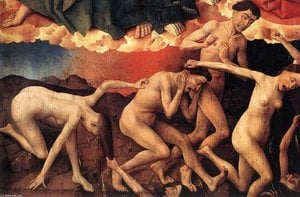
Last Judgment Triptych (detail) (12)
複製画のサイズ
To stand before Hans Memling’s depiction of the Last Judgment is not merely to observe paint on wood; it is to confront the monumental sweep of human destiny. This intricate triptych detail, dating from 1467, plunges the viewer into a moment suspended between earthly life and eternal reckoning. The scene is overwhelmingly dramatic, characterized by a palpable sense of divine power juxtaposed against the raw vulnerability of humanity. One feels the weight of history pressing down, as if the very air in the depicted space crackles with unspent judgment.
Hans Memling, the celebrated Bruges Master, was renowned for his exquisite attention to detail, a hallmark of Early Netherlandish painting. Here, that mastery is breathtakingly evident. Observe the figures: they are rendered with an almost startling realism, whether they are depicted in repose, suggesting death's gentle claim, or caught in postures of desperate appeal. The artist does not shy away from the physicality of the human form, treating even the deceased with a profound dignity. This meticulous observation, combined with his sophisticated handling of oil paint, allows light to play across every fold of drapery and every anguished expression, giving the scene an unsettling yet beautiful verisimilitude.
The composition itself is a rich tapestry woven from profound Christian symbolism. The backdrop, often suggested by flames or intense light sources, speaks to the purifying fire of divine judgment. Scattered across this dramatic stage are figures representing all stations of life—the saved, the damned, and those caught in transition. Each naked body, each gesture, carries narrative weight. It invites deep contemplation on morality, salvation, and the ephemeral nature of our own existence. The tension between the chaos suggested by some bodies and the structured grandeur of the divine presence creates a powerful visual dialectic that has captivated viewers for centuries.
For the contemporary collector or designer seeking art with soul, this piece offers more than mere decoration; it offers meditation. Reproducing such an iconic work allows one to bring a focal point of profound spiritual contemplation into a modern space. The drama inherent in Memling’s technique—the interplay between deep shadow and brilliant highlight—provides unparalleled depth for any interior setting. It is art that demands slow viewing, encouraging the viewer to pause, reflect, and engage with its timeless themes of consequence and grace.


ドイツ
Embark on a journey through the luminous world of Early Netherlandish art. Discover the revolutionary oil techniques, microscopic realism, and sacred symbolism used by masters like Jan van Eyck to redefine Western art history in this expert-led guide.

Delve into the luminous revolution of Early Netherlandish painting. Unveil how Jan van Eyck and Flemish masters pioneered oil techniques to achieve unparalleled depth, sacred symbolism, and breathtaking realism, forever shaping the legacy of Western art history.

Explore the profound power of religious symbolism in art history. From Renaissance masterpieces to sacred iconography, uncover the hidden meanings behind divine details in a deep dive into classical art excellence.

Explore the profound artistry of The Last Supper through an art historian's lens. From Leonardo da Vinci’s genius to diverse Renaissance interpretations, discover the symbolism and technique behind history's most iconic sacred depictions.


 プレビュー
プレビュー
 シェアする
シェアする シェアする
シェアする
 詳細を見る
詳細を見る

 ダウンロード
 似ている作品
 X線調査
X線調査 スライドショー
 統計情報
統計情報


 詳細を見る
詳細を見る









 ガラスオプションは、110cm未満のサイズでのみご利用いただけます。


![Scrovegni - Last Judgment (detail) [04] — ジョット, Proto-renaissance](/media/artworks/images-thumb/2c/cc/2cccbf5d66de604df5c3cc5658637344.jpg)