

迅速な制作と多彩な仕上げオプションを備えた、ミュージアムクオリティのジークレーまたはキャンバスプリント。 ( 手描きの絵画を購入 Switch to Digital Image)





























作品のオリジナル比率に合わせた、当店の規定サイズからお選びください。

特定のフレームやスペースに合わせて、ご自身でサイズを指定することも可能です。選択されたサイズが元の画像の比率と一致しない場合、作品をトリミングするか、鏡面反射または単色での塗りつぶしによって画像を拡張いたします。制作を開始する前に、ご確認用のデジタルモックアップをお送りいたします。
画面上のプレビューには、実際のトリミングや拡張は反映されませんのでご注意ください。最終的な構図を正確に確認できるのは、モックアップのみとなります。
カスタムサイズも承っておりますが、元の比率を維持するためには、あらかじめ用意されたリストからサイズを選択することをお勧めいたします。

Last judgment - last judgment triptych (detail)3
複製画のサイズ
The Last judgment - last judgment triptych (detail)3 is a captivating oil painting created by Hans Memling, a renowned German-born Early Netherlandish painter. This masterpiece is a prime example of the Northern Renaissance style, showcasing the artist’s skill and dedication to creating visually stunning pieces.
Born around 1430 in Seligenstadt, near Frankfurt, Hans Memling honed his artistic talents under the tutelage of Rogier van der Weyden, establishing himself as a master painter in Brussels by 1465. He secured citizenship in Bruges and became one of the foremost artists of his time, attracting patronage from influential figures like Angelo Tani and commissioning monumental works that reflected the spiritual fervor of the era.
Hans Memling’s artistic journey began with an apprenticeship in Mainz or Cologne, where he absorbed the stylistic influences of Gothic art before relocating to Bruges and immersing himself in the innovative spirit of Van der Weyden’s workshop. This formative experience instilled a meticulous attention to detail—a hallmark that would characterize his subsequent creations.
His oeuvre is marked by an extraordinary blend of realism and symbolic representation, particularly evident in his depictions of biblical narratives and portraits of nobility. Memling's canvases are imbued with profound theological contemplation, reflecting the humanist ideals prevalent during the Renaissance while simultaneously honoring medieval artistic traditions. Notably, he collaborated extensively with wealthy patrons—including Cardinal Grimani and Cardinal Bembo—producing lavish altarpieces that served as expressions of piety and prestige.
The Last judgment - last judgment triptych (detail)3 exemplifies Memling’s mastery of technique and compositional complexity. Executed in oil on wood—a medium favored by Northern Renaissance painters—the painting utilizes glazing techniques to achieve luminous colors and subtle tonal variations.
The central panel portrays Jesus Christ seated upon a globe, surrounded by angels and saints, embodying divine authority and judgment. Below him lies the depiction of Hell—a terrifying panorama populated by tormented souls consumed by fire—serving as a stark reminder of mortality and divine retribution. The meticulous rendering of drapery folds, facial expressions, and architectural elements underscores Memling’s commitment to realism.
A prominent clock positioned near the upper left corner adds an element of temporal awareness to the scene, emphasizing the inevitability of judgment and highlighting the artist's understanding of perspective—a revolutionary innovation that transformed artistic representation during this period. The painting’s overall impact is one of solemn grandeur, inviting contemplation on themes of faith, morality, and the afterlife.
The Last judgment - last judgment triptych (detail)3 stands as a testament to Hans Memling’s artistic genius—a masterpiece of Northern Renaissance art that continues to inspire awe and admiration centuries later. For more information on https://WahooArt.com/@/Hans-Memling and his works, visit https://WahooArt.com.


ドイツ

Discover the profound allure of oil on canvas. Explore the mastery of impasto textures, the science of pigment longevity, and expert guides to selecting museum-quality reproductions that elevate your collection with timeless elegance and tactile depth.

Unveil the intricate mastery of Northern Renaissance Art. Explore the luminous oil techniques, hidden symbolism, and breathtaking realism of Flemish masters through an expert lens of art history and technical precision.

Delve into the luminous revolution of Early Netherlandish painting. Unveil how Jan van Eyck and Flemish masters pioneered oil techniques to achieve unparalleled depth, sacred symbolism, and breathtaking realism, forever shaping the legacy of Western art history.
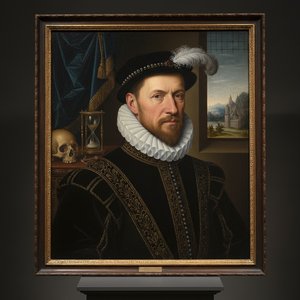
Explore the breathtaking precision of Hans Holbein the Younger. From Tudor royal portraits to intricate Northern Renaissance details, discover the mastery behind his legendary works and learn how to bring this historical grandeur into your collection with museum-quality reproductions.

 プレビュー
プレビュー
 シェアする
シェアする シェアする
シェアする
 詳細を見る
詳細を見る

 ダウンロード
 似ている作品
 X線調査
X線調査 スライドショー
 Stats
Stats

 詳細を見る
詳細を見る









 ガラスオプションは、110cm未満のサイズでのみご利用いただけます。


