

 Oil On CanvasWallArtCrucifixion
 Renaissance
 56.0 x 63.0 cm
 Szépművészeti Múzeum
スピーディーな制作と多彩な仕上げオプションが魅力の、ミュージアムクオリティなジークレー・キャンバスプリント。 ( 手描きの複製画を注文する デジタル画像販売へ切り替え)





























作品のオリジナル比率に合わせた、当店の規定サイズからお選びください。

特定のフレームやスペースに合わせて、ご自身でサイズを指定することも可能です。選択されたサイズが元の画像の比率と一致しない場合、作品をトリミングするか、鏡面反射または単色での塗りつぶしによって画像を拡張いたします。制作を開始する前に、ご確認用のデジタルモックアップをお送りいたします。
画面上のプレビューには、実際のトリミングや拡張は反映されませんのでご注意ください。最終的な構図を正確に確認できるのは、モックアップのみとなります。
カスタムサイズも承っておりますが、元の比率を維持するためには、あらかじめ用意されたリストからサイズを選択することをお勧めいたします。

Crucifixion (detail)
複製画サイズ一覧
Hans Memling's Crucifixion (detail) is not merely a fragment of a larger composition; it is a window into the devotional heart of the Early Netherlandish Renaissance. Measuring 56 x 63 cm, this exquisite panel encapsulates a profound moment in Christian narrative—the sacrifice of Christ—with a quiet intensity that draws the viewer into contemplation. The scene unfolds with a remarkable blend of realism and spiritual depth, characteristics that define Memling’s distinctive style and secured his place as one of Bruges' most celebrated artists.
Within this detail, we are presented with the immediate aftermath of the crucifixion. The central figure of Christ, though bearing the marks of suffering, exudes a serene dignity. Surrounding him is a bustling tableau of onlookers – soldiers carrying out their duty with stoic detachment, mourners consumed by grief, and figures already preparing for the solemn task of taking down his body. This activity isn’t chaotic; rather, it's meticulously rendered against the backdrop of a detailed medieval cityscape, grounding the sacred event in a recognizable world. The city itself is not merely scenery but an active participant in the narrative, suggesting the communal impact and universal significance of Christ’s sacrifice. Memling masterfully employs geometric forms—the squares and rectangles of buildings, the circular shapes within architectural details—to create a sense of order amidst the emotional weight of the scene. This deliberate composition guides the eye, ensuring that every element contributes to the overall narrative power.
Memling’s technical prowess is immediately apparent in the luminous quality of this detail. Executed in oil on wood panel—the favored medium of the period—he demonstrates a remarkable mastery of layering glazes to achieve subtle modeling and rich, nuanced color. The precision of his line work is breathtaking, particularly evident in the intricate details of the architecture and the delicate folds of drapery. This isn’t simply about accurate representation; it's about imbuing every surface with texture and life. The muted palette—dominated by browns, reds, and blues—contributes to a somber yet dignified atmosphere, encouraging introspection and reverence. Dramatic lighting, casting strong shadows that emphasize form, further heightens the emotional intensity of the scene. This careful manipulation of light and shadow isn’t accidental; it's a deliberate technique used to draw attention to key figures and symbolic elements.
Hans Memling (c. 1430-1494) arrived in Bruges after honing his skills under Rogier van der Weyden in Brussels, a formative experience that profoundly influenced his artistic development. While indebted to Van der Weyden’s emotional realism, Memling developed a style uniquely his own—characterized by a quieter, more contemplative approach. He flourished in the vibrant commercial and cultural center of 15th-century Bruges, receiving commissions from wealthy patrons – clergy, aristocrats, and merchants – who valued his refined technique and spiritual sensitivity. This *Crucifixion (detail)* reflects that patronage; it’s a work created for discerning eyes, intended to inspire devotion and contemplation. Today, Memling's works continue to resonate with collectors and art enthusiasts alike, offering a glimpse into the artistic and spiritual sensibilities of a pivotal moment in European history. A reproduction of this detail would serve as a powerful focal point in any collection, bringing the beauty and profound message of Memling’s artistry into homes and offices.


ドイツ
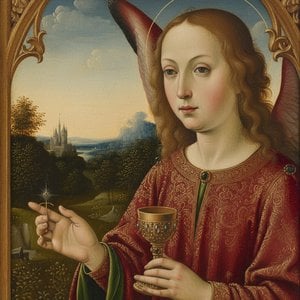
Embark on a journey through the luminous world of Early Netherlandish art. Discover the revolutionary oil techniques, microscopic realism, and sacred symbolism used by masters like Jan van Eyck to redefine Western art history in this expert-led guide.

Delve into the luminous revolution of Early Netherlandish painting. Unveil how Jan van Eyck and Flemish masters pioneered oil techniques to achieve unparalleled depth, sacred symbolism, and breathtaking realism, forever shaping the legacy of Western art history.

 設置イメージを確認
 送る
送る シェア
シェア
 詳細情報
詳細情報 ガイドを表示

 画像をダウンロード
 似ている作品
 X線調査
X線調査 スライドショー
 統計情報
統計情報 続きを読む
続きを読む









 ガラスオプションは、110cm未満のサイズでのみご利用いただけます。


