

 Oil On PanelWallArtEarly Netherlandish Painting
 1485Renaissance
 191.0 x 84.0 cm
 シュトゥットガルト州立美術館
このページに掲載されている作品は著作権法によって保護されており、当社の許可なく同一の複製物を制作または販売することは法律で禁じられています。この保護は、以下のような国際条約に基づき執行されます。 ベルヌ条約 および、以下の条項に定められたものを含む各国の法律により、 米国著作権法 第17編。
敬意を払った法的な代替手段として、私たちはオリジナルにインスピレーションを与えられた、カスタムの手描きアートワークを提供しています。私たちの熟練したプロのアーティストは、元の作品が持つスタイル、情緒、そして芸術的なエッセンスを注意深く研究し、独自の創作物でありながら、同じ感性を呼び起こすような、新しくユニークな作品を作り上げます。
この手法は、著作権で保護された作品の複製や複写を伴わないため、著作権法に完全に準拠しています。これは単なる模倣ではなく、創造的な再解釈です。元の作品からインスピレーションを受けつつも、それとは異なる、全く新しい絵画を生み出すものです。
当社のアーティストが、お客様のご希望のサイズと額縁に合わせて、キャンバスに手描きで制作する油彩画です。 ( プリント版に切り替え デジタル画像販売へ切り替え)





























作品のオリジナル比率に合わせた、当店の規定サイズからお選びください。

フレームや壁のスペースに合わせて、ご希望の幅と高さを入力してください。本作品は手描きのため、異なる比率のサイズをご希望の場合、絵画の周囲を少し広げて描くか、あるいは端を少しカットして調整することが可能です。お客様のご要望に合わせます。制作を開始する前に、仕上がりを確認するためのデジタルモックアップをお送りいたします。このページに表示されている画像は完成品の実物ではなく、あくまでモックアップによるイメージです。
Bathsheba
複製画サイズ一覧
In the quiet, amber-hued corridors of the Northern Renaissance, few works capture the delicate intersection of human vulnerability and divine grace as poignantly as Hans Memling’s Bathsheba. Painted around 1485 in the flourishing artistic hub of Bruges, this masterpiece transcends a mere biblical illustration to become a profound psychological study. As we gaze upon the scene, we are not merely spectators to a historical narrative; we are invited into a private, sacred sanctuary. The painting depicts Bathsheba, the wife of King David, in a moment of quiet transition within a luxurious bedchamber. There is an unmistakable sense of stillness, a breath held in anticipation, as she kneels before her husband, accepting a robe from a faithful maidservant. It is a tableau that speaks to the very essence of the human condition—the tension between our earthly desires and our spiritual aspirations.
The brilliance of Memling’s technique lies in his ability to marry the meticulous realism of the Early Netherlandish tradition with an almost ethereal luminosity. Utilizing the oil-on-panel method perfected by masters like Jan van Eyck, Memling achieves a textural depth that feels tactile to the modern eye. One can almost sense the weight of the heavy drapery, the coolness of the skin, and the soft, diffused light filtering through the chamber. His use of chiaroscuro—the masterful interplay between shadow and illumination—does more than create three-dimensional form; it directs the viewer's emotional journey, pulling our focus toward the tender interaction between the figures while casting the periphery in a mysterious, contemplative gloom.
Every element within this composition serves as a silent messenger, contributing to a complex tapestry of meaning. The bedchamber itself is far from a neutral setting; it represents a realm of domestic tranquility and marital harmony, acting as a deliberate, peaceful counterpoint to the moral turmoil found in the biblical account of David’s transgression. The maidservant, poised with grace, serves as a symbol of purity and humble service, her presence anchoring the scene in a sense of ritualistic care. Even the seemingly mundane objects—the delicate vase, the carefully placed bowls, and the sturdy chair in the background—contribute to an atmosphere of settled, bourgeois stability that was characteristic of the Burgundian Netherlands.
For the discerning collector or interior designer, this artwork offers much more than visual beauty; it provides a focal point of profound intellectual and emotional resonance. A high-quality reproduction of Bathsheba brings with it an aura of historical prestige and a sense of quiet sophistication. Whether placed in a sunlit study to inspire deep reflection or within a grand living space to anchor a room with classical elegance, the painting’s soft palette and intricate details command attention without overwhelming the environment. It is a piece that invites the eye to linger, rewarding the viewer with new discoveries of light and shadow upon every encounter, making it an enduring investment for those who value art that speaks to both the eyes and the soul.
「Bathsheba」の明暗のコントラストはStatementと記録されています。コントラストとは、明るい部分と暗い部分がどの程度強く異なっているかを表す指標です。
はい、作品は作家の母国に保管されています。。ハンス・メムリンクの出生国はドイツであり、「Bathsheba」の真作を収蔵している美術館はドイツにあります。
ハンス・メムリンク作「Bathsheba」はTallの構図です。プリントサイズを選択する前に、縦横比をご確認いただくことをお勧めします。


ドイツ

Embark on a journey through the exquisite precision of Flemish Art. Discover the pioneering oil techniques, profound symbolism, and luminous realism that define the Northern Renaissance masters in this expert guide for art enthusiasts.

Explore the dramatic brilliance of the Flemish Baroque movement. Discover how masters like Peter Paul Rubens utilized chiaroscuro and dynamic composition to redefine art history through light, shadow, and unparalleled emotion.
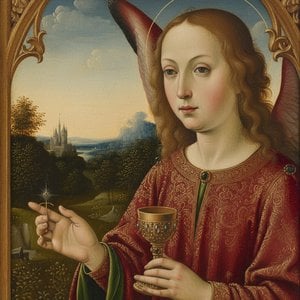
Embark on a journey through the luminous world of Early Netherlandish art. Discover the revolutionary oil techniques, microscopic realism, and sacred symbolism used by masters like Jan van Eyck to redefine Western art history in this expert-led guide.

Explore the exquisite precision of Flemish painting. From Jan van Eyck to Robert Campin, discover the revolutionary oil techniques and rich symbolism that defined the Northern Renaissance and continue to inspire fine art collectors today.

Delve into the luminous revolution of Early Netherlandish painting. Unveil how Jan van Eyck and Flemish masters pioneered oil techniques to achieve unparalleled depth, sacred symbolism, and breathtaking realism, forever shaping the legacy of Western art history.

 設置イメージを確認
 送る
送る シェア
シェア
 詳細情報
詳細情報 ガイドを表示

 画像をダウンロード
 似ている作品
 X線調査
X線調査 スライドショー
 統計情報
統計情報 続きを読む
続きを読む









 ガラスオプションは、110cm未満のサイズでのみご利用いただけます。


