

このページに掲載されている作品は著作権法によって保護されており、当社の許可なく同一の複製物を制作または販売することは法律で禁じられています。この保護は、以下のような国際条約に基づき執行されます。 ベルヌ条約 および、以下の条項に定められたものを含む各国の法律により、 米国著作権法 第17編。
この手法は、著作権で保護された作品の複製や複写を伴わないため、著作権法に完全に準拠しています。これは単なる模倣ではなく、創造的な再解釈です。元の作品からインスピレーションを受けつつも、それとは異なる、全く新しい絵画を生み出すものです。
スピーディーな制作と多彩な仕上げオプションが魅力の、ミュージアムクオリティなジークレー・キャンバスプリント。 ( 手描きの複製画を注文する デジタル画像販売へ切り替え)





























作品のオリジナル比率に合わせた、当店の規定サイズからお選びください。

額縁や壁のスペースに合わせて、ご希望の幅と高さを入力してください。プリントはカットすることは可能ですが、元の画像より大きくすることはできないため、異なる比率のサイズを選択された場合は、画像の一部が欠けることになります。印刷を開始する前に、内容を確認していただくためのデジタルモックアップをお送りいたします。このページに表示されている画像は、実際のカット後の状態を示すものではありません。実際の仕上がりはモックアップにてご確認ください。
untitled (9089)
複製画サイズ一覧
In the vast, labyrinthine landscape of twentieth-century modernism, few works capture the unsettling beauty of the human psyche quite like Max Ernst’s “untitled (9089).” This masterpiece serves as a profound gateway into the realms of Dada and Surrealism, movements that emerged from the fractured reality of post-World War I Europe. Ernst, a pioneer who eschewed traditional academic constraints in favor of psychological exploration, invites the viewer to step away from the rational world and enter a dreamscape where the boundaries between the animate and inanimate dissolve. The painting is not merely a visual experience; it is an invitation to wander through the untamed wilderness of the unconscious mind.
The composition is anchored by a striking, central motif: a solitary man mounted upon a horse, navigating a dense, primordial jungle. This figure, rendered in muted and somber tones, evokes a sense of profound vulnerability amidst the overwhelming scale of nature. As your eyes traverse the canvas, you encounter a surreal ecosystem teeming with life—stylized trees, thickets of bushes, and watchful birds that seem to emerge from the very texture of the earth. Scattered throughout this verdant chaos are other human figures, some resting and others observing, creating a sense of a shared yet deeply isolated existence within this mysterious landscape.
What truly distinguishes this work is Ernst’s revolutionary approach to medium and method. Eschewing the smooth, polished finishes of classical painting, Ernst utilized grattage—a technique of scraping paint across a canvas layered over textured surfaces like burlap or wood grain. This process allows the underlying textures to bleed through the pigment, creating an intricate, organic surface that feels alive with movement. The resulting visual language is one of deliberate unevenness, where every scratch and scrape mirrors the turbulent emotional currents of the Surrealist movement.
For the discerning collector or interior designer, this technique offers a tactile depth that is rare in traditional portraiture or landscapes. The interplay of light and shadow across these textured ridges creates a dynamic quality; the painting appears to shift and breathe depending on the viewer's perspective and the ambient lighting of the room. It is a work that demands attention, providing a sophisticated focal point that brings an air of intellectual mystery and avant-garde elegance to any curated space.
Beyond its formal brilliance, “untitled (9089)” is rich with symbolic weight. The horse, traditionally a symbol of strength and nobility, appears here in a state of subjugation to human will, perhaps reflecting Ernst’s critique of societal hierarchies and the struggle for dominance. The jungle itself acts as a powerful metaphor for the repressed instincts and primal anxieties that lie beneath the surface of civilized behavior. It is a place where the "id" emerges into the light, presenting a landscape that is simultaneously enchanting and threatening.
The emotional impact of the piece is a complex tapestry of melancholy contemplation and quiet defiance. There is a haunting stillness to the scene, yet it is charged with an underlying current of tension. To possess a reproduction of this work is to bring a piece of art history’s most profound psychological inquiries into one's home. It serves as a constant reminder of the beauty found in the unknown and the enduring power of the imagination to transform chaos into a structured, albeit surreal, vision of existence.
「untitled (9089)」の技法はOil On Canvasです。
マックス・エルンスト作「untitled (9089)」の複製画は、Accentに最適です。作品の主題、情緒、そして色彩に基づいたおすすめの活用方法です。
「untitled (9089)」は、Surrealism様式によるOil On Canvasで制作されています。


1891 - 1976 , ドイツ

Embark on a sophisticated journey through the surrealist movement. Discover how masters like Dalí and Ernst blurred the lines between dreams and reality through innovative techniques, exploring the profound impact of the subconscious on fine art history with expert authority.
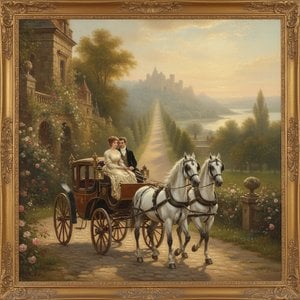
Embark on a visual journey through the romantic world of horse carriage art. Discover the mastery of equestrian oil paintings, from Impressionist textures to classical realism, and learn how to bring timeless elegance into your home with museum-quality reproductions.

Immerse yourself in the majesty of equestrian art. Discover museum-quality, hand-painted horse reproductions and bespoke commissions that capture the power and grace of the equine form. Perfect for discerning collectors seeking timeless elegance and unparalleled craftsmanship.

Embark on a journey through the subconscious with our expert guide to Surrealism. Discover the profound symbolism of masters like Dalí and Ernst, exploring how dreamlike imagery reshaped art history and continues to inspire collectors and enthusiasts worldwide.

 設置イメージを確認
 送る
送る シェア
シェア
 詳細情報
詳細情報 ガイドを表示

 画像をダウンロード
 似ている作品
 X線調査
X線調査 スライドショー
 統計情報
統計情報

 続きを読む
続きを読む









 ガラスオプションは、110cm未満のサイズでのみご利用いただけます。


