x
作品のオリジナル比率に合わせた、当店の規定サイズからお選びください。
特定のフレームやスペースに合わせて、ご自身でサイズを指定することも可能です。選択されたサイズが元の画像の比率と一致しない場合、作品をトリミングするか、鏡面反射または単色での塗りつぶしによって画像を拡張いたします。制作を開始する前に、ご確認用のデジタルモックアップをお送りいたします。
画面上のプレビューには、実際のトリミングや拡張は反映されませんのでご注意ください。最終的な構図を正確に確認できるのは、モックアップのみとなります。
カスタムサイズも承っておりますが、元の比率を維持するためには、あらかじめ用意されたリストからサイズを選択することをお勧めいたします。
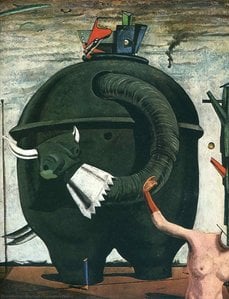
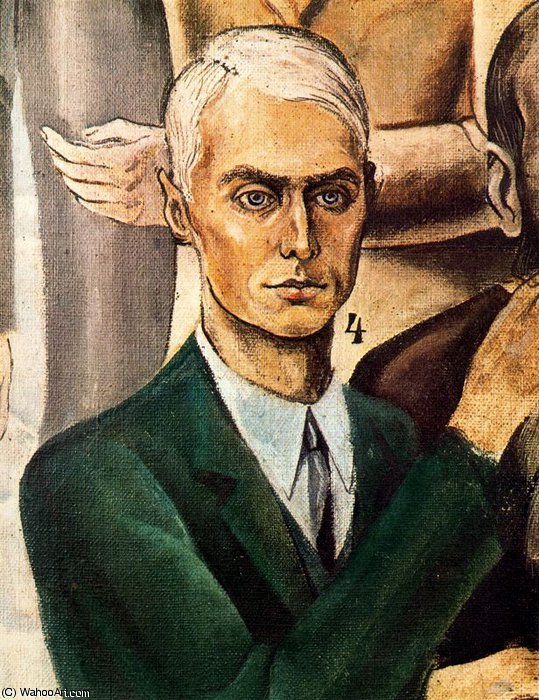
untitled (8216)
複製画のサイズ
Max Ernst’s “untitled (8216),” a hauntingly evocative painting produced around 1937, stands as a testament to the Surrealist movement's preoccupation with subconscious exploration and dreamlike imagery. More than just an aesthetically pleasing composition—featuring two figures seated in contemplative repose—the artwork delves into profound psychological themes and utilizes groundbreaking techniques that cemented Ernst’s place among the most influential artists of his era.
“untitled (8216)” emerged during the tumultuous years of the Second World War, coinciding with the rise of Surrealism as a reaction against the intellectual rigidity of rational thought prevalent in Europe at the time. Artists like Ernst sought to bypass logic and access the realm of dreams and irrational impulses—a deliberate defiance of bourgeois values and societal expectations. The painting embodies this spirit of rebellion, presenting a world where symbols hold sway over narrative clarity.
Max Ernst wasn't merely an artist; he was a conceptual innovator who fundamentally reshaped artistic practice. His relentless experimentation with materials and techniques—particularly frottage and grattage—established him as a pioneer of Surrealist aesthetics and inspired generations of artists to come. “untitled (8216)” exemplifies this legacy, demonstrating Ernst’s unwavering commitment to exploring the subconscious mind and challenging conventional notions of artistic representation.
1891 - 1976 , ドイツ
お客様のプロジェクトについてお聞かせください。当社の美術専門家が、お客様に合わせた3つのパーソナライズされた芸術提案をご提供いたします。
あなたにぴったりの3作品を無料で厳選いたします