

このページに掲載されている作品は著作権法によって保護されており、当社の許可なく同一の複製物を制作または販売することは法律で禁じられています。この保護は、以下のような国際条約に基づき執行されます。 ベルヌ条約 および、以下の条項に定められたものを含む各国の法律により、 米国著作権法 第17編。
この手法は、著作権で保護された作品の複製や複写を伴わないため、著作権法に完全に準拠しています。これは単なる模倣ではなく、創造的な再解釈です。元の作品からインスピレーションを受けつつも、それとは異なる、全く新しい絵画を生み出すものです。
スピーディーな制作と多彩な仕上げオプションが魅力の、ミュージアムクオリティなジークレー・キャンバスプリント。 ( 手描きの複製画を注文する デジタル画像販売へ切り替え)





























作品のオリジナル比率に合わせた、当店の規定サイズからお選びください。

額縁や壁のスペースに合わせて、ご希望の幅と高さを入力してください。プリントはカットすることは可能ですが、元の画像より大きくすることはできないため、異なる比率のサイズを選択された場合は、画像の一部が欠けることになります。印刷を開始する前に、内容を確認していただくためのデジタルモックアップをお送りいたします。このページに表示されている画像は、実際のカット後の状態を示すものではありません。実際の仕上がりはモックアップにてご確認ください。
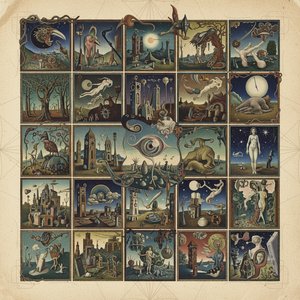
untitled (7908)
複製画サイズ一覧
Max Ernst's "Untitled (7908)," a deceptively simple black and white photograph of a monumental sculpture, isn’t merely a documentation of an artwork; it’s a portal. Captured in 1926, this image offers a glimpse into the fertile, unsettling mind of one of Surrealism’s most daring pioneers. The sculpture itself—a towering, biomorphic creation—immediately commands attention, its organic forms twisting and merging like a landscape born from a fever dream. It's a piece that speaks to the anxieties and aspirations of a rapidly changing world, reflecting Ernst’s own restless intellectual journey and his fascination with the subconscious.
The photograph’s power lies not just in the sculpture’s arresting form but also in its meticulous execution. The lighting is deliberately muted, casting deep shadows that accentuate the texture of the material—likely wood or clay—and lending a sense of weight and solidity to what could easily appear as ethereal. The composition, tightly framing the sculpture against a neutral background, creates an immediate intimacy, drawing the viewer into this strange, contained world. The handwritten label at the bottom left corner, referencing the artwork’s title and date, subtly anchors us in time while simultaneously reinforcing the feeling of being adrift within a dream.
To fully appreciate “Untitled (7908),” one must understand the context of Max Ernst’s artistic development. Born in Brühl, Germany, in 1891, Ernst was profoundly shaped by his early exposure to philosophy and psychology. His academic pursuits at Bonn University—spanning fields from art history to psychiatry—were not simply academic exercises; they were a deliberate attempt to dismantle conventional ways of seeing and understanding the world. This intellectual rigor fueled his experimentation with techniques like *frottage* (rubbing textures onto paper) and *grattage* (scraping paint off a canvas), methods designed to tap into the unconscious mind and bypass rational thought.
Ernst’s disillusionment with the established art world, coupled with his growing interest in psychoanalysis—particularly the work of Sigmund Freud—led him to embrace Surrealism. This movement, emerging from the ashes of Dada, sought to liberate art from the constraints of logic and representation, exploring themes of dreams, sexuality, and the irrational. “Untitled (7908)” embodies this spirit perfectly, presenting a visual manifestation of the subconscious – a landscape sculpted by instinct and imagination.
The sculpture’s imagery is rich with symbolic potential. The intertwined forms—resembling both animalistic features like horns or antlers and organic growths—suggest themes of transformation, growth, and perhaps even decay. Ernst frequently employed birds in his work, often representing freedom, aspiration, and the ability to transcend earthly limitations. Their presence here reinforces this sense of upward movement and spiritual yearning.
The overall effect is profoundly unsettling yet strangely compelling. The sculpture’s ambiguity invites interpretation, prompting viewers to project their own anxieties and desires onto its surface. It's a visual representation of the internal struggle between reason and instinct, order and chaos—a core concern for Ernst and the Surrealist movement as a whole. The piece doesn’t offer easy answers; instead, it presents a series of questions about the nature of reality, the power of the unconscious, and the human condition.
Reproductions of “Untitled (7908)” offer a remarkable opportunity to bring this evocative artwork into your home or office. The stark black and white palette lends itself beautifully to contemporary interiors, providing a sophisticated contrast against brighter colors and textures. The sculpture’s powerful imagery—a testament to Max Ernst's visionary genius—can serve as a constant reminder of the mysteries that lie beneath the surface of our conscious minds.
Whether you are an art collector seeking a unique addition to your collection or simply someone drawn to the beauty and complexity of Surrealism, a high-quality reproduction of “Untitled (7908)” is sure to captivate and inspire. It’s more than just a print; it's a window into the dreamscape of one of art history’s most influential figures.
「untitled (7908)」の中で最も際立っている色はPutty (#dddddd)です。作品の主色(メインカラー)を知ることは、インテリアとのコーディネートを考える際に役立ちます。
マックス・エルンスト作「untitled (7908)」は、High Medieval期におけるSurrealist Movementの動向に属しています。これらが相まって、本作に美術史における確固たる地位を与えています。
「untitled (7908)」はsculpture, surrealism, organic forms, biomorphic, animalistic, dreamlike, ernstを描いていますが、マックス・エルンストのこれまでのテーマとして記録されているのはdadaism, surrealist experimentation, psychological exploration, dreams, symbolic, primal imagery”, “autobiographical, personal journey”です。この二つを比較することで、本作が作家のいつもの主題とどのように関連しているかが明らかになります。


1891 - 1976 , ドイツ

Journey through art history with 10 legendary bronze sculptures – from Michelangelo's David to Rodin’s Thinker. Explore the stories, techniques & timeless beauty of these masterpieces. Find museum-quality reproductions & elevate your home decor on WahooArt.com.

Journey through art history with our Top 10 bronze sculptures! Explore masterpieces by Rodin, Michelangelo & more. Discover stories behind iconic statues and find museum-quality reproductions for your home decor at WahooArt.com.
マックス・エルンストの傑作25選。シュルレアリスムを代表する画家、その夢と無意識の世界を描いた絵画や版画を紐解きます。リビングやオフィスに飾るモダンアート、インテリアに最適な作品を見つけませんか?WahooArt.comで全コレクションをオンラインで探す。

モンドリアン、マレーヴィチ…幾何学的抽象絵画を代表する傑作10選。各作品の背景や色彩構成、アーティストの情熱に迫ります。美術館品質の複製画はWahooArt.comで。オンラインでアートコレクションをご覧ください。

Explore the rich history of sculpture from ancient masterpieces to contemporary innovations. Discover key techniques, influential artists & investment potential for discerning art collectors.

 設置イメージを確認
 送る
送る シェア
シェア
 詳細情報
詳細情報 ガイドを表示

 画像をダウンロード
 似ている作品
 X線調査
X線調査 スライドショー
 統計情報
統計情報

 続きを読む
続きを読む









 ガラスオプションは、110cm未満のサイズでのみご利用いただけます。


