x































作品のオリジナル比率に合わせた、当店の規定サイズからお選びください。

特定のフレームやスペースに合わせて、ご自身でサイズを指定することも可能です。選択されたサイズが元の画像の比率と一致しない場合、作品をトリミングするか、鏡面反射または単色での塗りつぶしによって画像を拡張いたします。制作を開始する前に、ご確認用のデジタルモックアップをお送りいたします。
画面上のプレビューには、実際のトリミングや拡張は反映されませんのでご注意ください。最終的な構図を正確に確認できるのは、モックアップのみとなります。
カスタムサイズも承っておりますが、元の比率を維持するためには、あらかじめ用意されたリストからサイズを選択することをお勧めいたします。

untitled (60)
複製画のサイズ
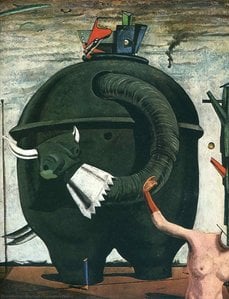
Max Ernst's "Untitled (60)" is not merely a painting; it’s an immersion into the subconscious, a vibrant testament to the surrealist movement’s core tenets. This captivating work, dominated by a riot of color – fiery reds, sun-drenched yellows, deep blues, and verdant greens – immediately draws the viewer into its dynamic landscape. The composition eschews traditional representational forms, instead favoring an abstract arrangement of shapes and hues that evoke a profound sense of movement and depth. It’s a piece that demands contemplation, inviting us to decipher the hidden meanings within its seemingly chaotic structure.
Born in Brühl, Germany, in 1891, Maximilian Maria Ernst (Max Ernst) was a figure profoundly shaped by intellectual curiosity and a rejection of conventional artistic norms. His education – encompassing philosophy, art history, literature, psychology, and psychiatry at the University of Bonn – wasn’t simply academic; it fueled his artistic experimentation with techniques like frottage and decalcomania, methods he employed to tap into the realm of dreams and automatic thought. Ernst's work reflects a deep engagement with the psychological theories of Freud and Jung, exploring themes of the unconscious mind, memory, and the distortion of reality. He sought not to replicate the external world but to translate its inner landscapes onto canvas – a pursuit that defined his entire career.
The painting’s central element—a large, boldly colored blob—acts as a focal point, drawing the eye into the swirling composition. Surrounding this dominant form are smaller, scattered blobs, contributing to the overall sense of dynamism and visual complexity. The color palette itself is deliberately evocative, suggesting both primal energy and emotional intensity. Red often symbolizes passion or danger, while yellow can represent optimism or enlightenment. Blues and greens contribute to a feeling of tranquility and nature, yet their distorted forms hint at an underlying unease. Ernst’s masterful use of texture and layering adds another dimension to the work, creating a tactile quality that further enhances its immersive effect.
"Untitled (60)" exemplifies Ernst's pivotal role in the development of surrealism. Emerging in the aftermath of World War I, this artistic movement sought to liberate the imagination from the constraints of reason and logic. Ernst’s work aligns with the broader surrealist project of exploring the irrational, the dreamlike, and the subconscious—themes that resonated deeply with a generation grappling with disillusionment and societal upheaval. This piece stands as a powerful reminder of Ernst's innovative approach to artmaking, his willingness to challenge conventions, and his enduring influence on subsequent generations of artists. Its vibrant energy and evocative imagery continue to captivate viewers today.


1891 - 1976 , ドイツ

時代を象徴する超現実表現主義の10大傑作。ダリ、エルンストら巨匠の世界に浸り、その物語と技法を紐解きます。色彩と感情が織りなす芸術の深淵へ。WahooArt.comで美術館品質のアートプリントと洗練されたインテリアを見つけましょう!
マックス・エルンストの傑作25選。シュルレアリスムを代表する画家、その夢と無意識の世界を描いた絵画や版画を紐解きます。リビングやオフィスに飾るモダンアート、インテリアに最適な作品を見つけませんか?WahooArt.comで全コレクションをオンラインで探す。
Explore the captivating world of Surrealism with WahooArt. Discover its origins, key artists like Dalí & Ernst, and enduring influence on art history. High-quality reproductions available.
アンリ・マティスの傑作25選🎨 色彩と情熱が織りなす世界を旅する。フォーヴィスム代表の巨匠、マティスの絵画の魅力と歴史を紐解きます。WahooArtで高品質なアートプリントや複製画を見つけ、インテリアに芸術的な輝きを✨ Explore the full collection online

Journey into the dreamlike world of Surrealism! Explore 10 masterpieces by Dali, Magritte & Miró that redefined art. Discover their stories & find museum-quality reproductions to elevate your home decor on WahooArt.com.


最新の美術ニュース、限定オファー、そしてインテリアのアイデアをいち早くお届けします。
お客様のプロジェクトについてお聞かせください。当社の美術専門家が、お客様に合わせた3つのパーソナライズされた芸術提案をご提供いたします。
あなたにぴったりの3作品を無料で厳選いたします
 手描き複製画を注文する
 シェアする
シェアする シェアする
シェアする
 詳細を見る
詳細を見る

 ダウンロード
 似ている作品
 X線
X線 スライドショー

 詳細を見る
詳細を見る









 ガラスオプションは、110cm未満のサイズでのみご利用いただけます。