このページに掲載されている作品は著作権法によって保護されており、当社の許可なく同一の複製物を制作または販売することは法律で禁じられています。この保護は、以下のような国際条約に基づき執行されます。 ベルヌ条約 および、以下の条項に定められたものを含む各国の法律により、 米国著作権法 第17編。
この手法は、著作権で保護された作品の複製や複写を伴わないため、著作権法に完全に準拠しています。これは単なる模倣ではなく、創造的な再解釈です。元の作品からインスピレーションを受けつつも、それとは異なる、全く新しい絵画を生み出すものです。
スピーディーな制作と多彩な仕上げオプションが魅力の、ミュージアムクオリティなジークレー・キャンバスプリント。 ( 手描きの複製画を注文する デジタル画像販売へ切り替え)





























作品のオリジナル比率に合わせた、当店の規定サイズからお選びください。

額縁や壁のスペースに合わせて、ご希望の幅と高さを入力してください。プリントはカットすることは可能ですが、元の画像より大きくすることはできないため、異なる比率のサイズを選択された場合は、画像の一部が欠けることになります。印刷を開始する前に、内容を確認していただくためのデジタルモックアップをお送りいたします。このページに表示されている画像は、実際のカット後の状態を示すものではありません。実際の仕上がりはモックアップにてご確認ください。
untitled (4426)
複製画サイズ一覧
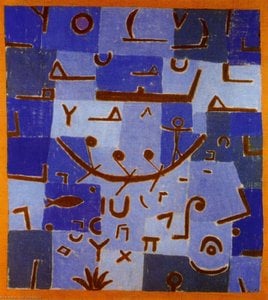
Max Ernst's "Untitled (4426)" is not merely a painting; it’s an immersion into the subconscious, a meticulously crafted exploration of the surreal that speaks to the anxieties and fascinations of the early 20th century. This arresting image, dominated by a solitary yellow figure with a startling red face, immediately commands attention, drawing the viewer into a world where logic yields to dreamlike imagery. The stark black background amplifies the vibrancy of the central form, creating an almost unsettling isolation that is characteristic of Ernst’s approach.
Born in Brühl, Germany, in 1891, Max Ernst’s artistic trajectory was profoundly shaped by his intellectual pursuits and a deep-seated skepticism towards established norms. His education – encompassing philosophy, art history, psychology, and psychiatry at the University of Bonn – wasn't simply academic; it fueled a relentless questioning of reality itself. This intellectual rigor is palpable in "Untitled (4426)," where the seemingly simple composition belies a complex layering of symbolic meaning. Ernst’s early life, marked by his father’s work with deaf children and his own rebellious spirit, instilled within him a fascination with the hidden dimensions of human experience – a theme that would become central to his artistic output.
The painting's symbolism is deliberately ambiguous, inviting multiple interpretations. The yellow figure, often associated with intellect and enlightenment, is rendered unsettling by its red face, suggesting suppressed emotions or perhaps a confrontation with primal instincts. The small figures flanking it could represent anxieties or observers within the dreamer’s mind. The object resembling a hat – a recurring motif in Ernst's work – may symbolize protection, concealment, or even the head itself as a vessel for thought and emotion. Within the context of Surrealism, this piece embodies the movement’s core tenets: exploring the irrational, the unconscious, and the power of dreams to reveal hidden truths.
"Untitled (4426)" was created during a period of immense social and political upheaval – the aftermath of World War I and the rise of new ideologies. Ernst’s work reflects this atmosphere of uncertainty and disillusionment, capturing a sense of disorientation and psychological strain. The painting's unsettling beauty evokes a powerful emotional response, prompting viewers to confront their own anxieties and perceptions of reality. This reproduction offers an opportunity to possess a piece of art that embodies the spirit of a pivotal moment in artistic history – a testament to Max Ernst’s genius and his enduring exploration of the human psyche.
マックス・エルンスト作「untitled (4426)」は、Vividな色彩の強さを備えています。
「untitled (4426)」は、ドイツに生まれたマックス・エルンストによって、Surrealist Movementのムーブメントの中で制作されました。アーティストの出自は、この作品をドイツのアーティストたちが実践したSurrealist Movementへと結びつけています。
マックス・エルンスト作「untitled (4426)」のデジタルイメージは、こちらのデジタル画像ページにてご購入いただけます:高解像度デジタル画像のダウンロード

1891 - 1976 , ドイツ

Explore the profound depths of Surrealism. Discover how masters like Dalí and Ernst unlocked the subconscious through dreamlike imagery, and learn to integrate these evocative, museum-quality masterpieces into your private collection with expert art historical insight.

Embark on a journey through the subconscious with our expert guide to Surrealism. Discover the profound symbolism of masters like Dalí and Ernst, exploring how dreamlike imagery reshaped art history and continues to inspire collectors and enthusiasts worldwide.

Embark on a sophisticated journey through the surrealist movement. Discover how masters like Dalí and Ernst blurred the lines between dreams and reality through innovative techniques, exploring the profound impact of the subconscious on fine art history with expert authority.

 設置イメージを確認
 送る
送る シェア
シェア
 詳細情報
詳細情報 ガイドを表示

 画像をダウンロード
 似ている作品
 X線調査
X線調査 スライドショー
 統計情報
統計情報

 続きを読む
続きを読む









 ガラスオプションは、110cm未満のサイズでのみご利用いただけます。