このページに掲載されている作品は著作権法によって保護されており、当社の許可なく同一の複製物を制作または販売することは法律で禁じられています。この保護は、以下のような国際条約に基づき執行されます。 ベルヌ条約 および、以下の条項に定められたものを含む各国の法律により、 米国著作権法 第17編。
この手法は、著作権で保護された作品の複製や複写を伴わないため、著作権法に完全に準拠しています。これは単なる模倣ではなく、創造的な再解釈です。元の作品からインスピレーションを受けつつも、それとは異なる、全く新しい絵画を生み出すものです。
スピーディーな制作と多彩な仕上げオプションが魅力の、ミュージアムクオリティなジークレー・キャンバスプリント。 ( 手描き複製画を注文する デジタル画像販売へ切り替え)





























作品のオリジナル比率に合わせた、当店の規定サイズからお選びください。

額縁や壁のスペースに合わせて、ご希望の幅と高さを入力してください。プリントはカットすることは可能ですが、元の画像より大きくすることはできないため、異なる比率のサイズを選択された場合は、画像の一部が欠けることになります。印刷を開始する前に、内容を確認していただくためのデジタルモックアップをお送りいたします。このページに表示されている画像は、実際のカット後の状態を示すものではありません。実際の仕上がりはモックアップにてご確認ください。
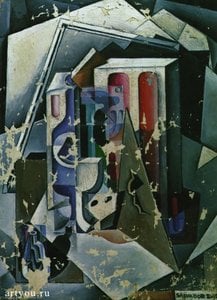
untitled (3054)
複製画サイズ一覧
Max Ernst’s “Untitled (3054)” presents a disconcerting yet undeniably captivating tableau – a crimson object imbued with a human-like face, adrift within a carefully constructed landscape of modern anxieties. Painted by the German surrealist master in an unknown date, this work immediately draws the viewer into a realm where familiar objects are rendered alien and unsettling, reflecting Ernst’s lifelong fascination with the subconscious and his rejection of rationalism.
Max Ernst’s artistic trajectory was profoundly shaped by his intellectual pursuits and his engagement with the burgeoning surrealist movement. Born in Brühl, Germany, in 1891, Ernst initially studied philosophy, art history, literature, psychology, and psychiatry at the University of Bonn – a curriculum that fueled his exploration of dreams, myths, and the irrational. This academic grounding is evident in “Untitled (3054),” where recognizable objects are juxtaposed to create a deliberately illogical scene, echoing the techniques pioneered by André Breton and other surrealist thinkers.
Ernst’s methods were as innovative as his subject matter. He employed techniques such as frottage (rubbing textures onto paper) and decalcomania (spreading paint on a surface and then lifting it to create random patterns), allowing chance and the subconscious to guide his creative process. These approaches, combined with his intellectual rigor, resulted in works that are both meticulously crafted and profoundly unsettling.
The inclusion of cell phones within this painting is particularly significant when viewed through the lens of Ernst’s era. Created before the ubiquity of mobile technology, they represent a nascent intrusion of the external world into the private sphere – a theme that would become increasingly relevant in subsequent decades. The book, often associated with wisdom and enlightenment, here appears almost burdened by its own weight, suggesting the potential for knowledge to be overwhelming or misleading.
"Untitled (3054)" is more than just a surrealist image; it's a meditation on the human condition, exploring themes of identity, communication, and the anxieties inherent in modern life. Max Ernst’s ability to tap into these universal concerns through his unique artistic vision ensures that this work continues to resonate with viewers today. A hand-painted reproduction offers an unparalleled opportunity to experience the full impact of this enigmatic masterpiece – a testament to Ernst's enduring legacy as one of the 20th century’s most influential artists.
「untitled (3054)」のダウンロードが可能です。作品のデジタルイメージをダウンロードページにて高解像度デジタル画像のダウンロードいただけます。
マックス・エルンスト作「untitled (3054)」は、Mysteriousな情緒を伝えています。
マックス・エルンストの作品に繰り返し現れるテーマにはsurrealism, psychological exploration, disillusionment, societal critique, max ernst’s thematic range, symbolic object assemblage, fragmented reality reflectionがありますが、「untitled (3054)」ではred object, surreal face, cell phone, max ernst, symbolic imagery, object collage, dreamlike sceneに焦点を当てています。


1891 - 1976 , ドイツ

Explore the profound depths of Surrealism. Discover how masters like Dalí and Ernst unlocked the subconscious through dreamlike imagery, and learn to integrate these evocative, museum-quality masterpieces into your private collection with expert art historical insight.

Embark on a journey through the subconscious with our expert guide to Surrealism. Discover the profound symbolism of masters like Dalí and Ernst, exploring how dreamlike imagery reshaped art history and continues to inspire collectors and enthusiasts worldwide.

Master the nuances of Giclée printing with our expert guide. Discover how pigment-based inks and museum-grade substrates create fade-resistant, high-fidelity art reproductions designed for discerning collectors seeking unparalleled quality and longevity.

Embark on a sophisticated journey through the surrealist movement. Discover how masters like Dalí and Ernst blurred the lines between dreams and reality through innovative techniques, exploring the profound impact of the subconscious on fine art history with expert authority.
 設置イメージを表示
 シェアする
シェアする シェアする
シェアする
 詳細を見る
詳細を見る ガイドを表示

 ダウンロード
 似ている作品
 X線調査
X線調査 スライドショーを表示
 Q&A
Q&A
 統計情報
統計情報
 詳細を表示
詳細を表示









 ガラスオプションは、110cm未満のサイズでのみご利用いただけます。