
当社のアーティストが、お客様のご希望のサイズと額縁に合わせて、キャンバスに手描きで制作する油彩画です。 ( プリント版に切り替え デジタル画像販売へ切り替え)





























作品のオリジナル比率に合わせた、当店の規定サイズからお選びください。

特定のフレームやスペースに合わせて、ご希望のサイズをご入力いただけます。選択されたサイズが元の画像の比率と異なる場合、アートワークをトリミングするか、手描きで要素を追加して絵画を拡張いたします。デジタルモックアップ を制作し、制作開始前にご確認(承認)をいただきます。
画面上のプレビューは、実際のトリミングや拡張を正確に反映しているものではありません。最終的な構図は、モックアップによってのみ正確にご確認いただけます。
カスタムサイズもご利用いただけますが、元の比率を維持するためには、あらかじめ用意されたリストからサイズを選択することをお勧めいたします。

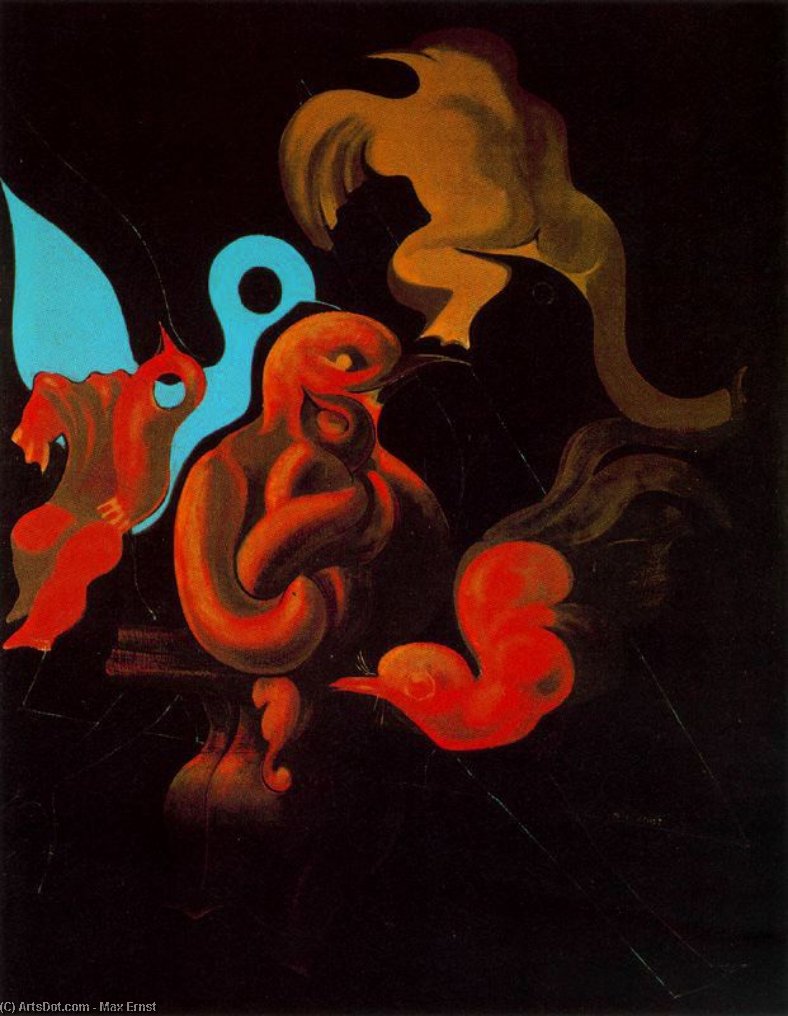
Tras nosotros, la maternidad
複製画のサイズ
Max Ernst’s “Tras Nosotros, La Materinidad” (After Us Motherhood), completed in 1927, stands as a cornerstone of Dadaism and a testament to the artist's unwavering commitment to challenging conventional artistic boundaries. More than just a visual spectacle, it’s an exploration of subconscious anxieties and desires rendered with meticulous detail—a dreamscape solidified onto paper.
Dadaism emerged in Zurich and Berlin during World War I as a furious reaction against the perceived hypocrisy and brutality of the era. Artists like Ernst sought to dismantle established artistic conventions, prioritizing spontaneity and emotional expression over technical skill or intellectual coherence. They aimed to provoke audiences into questioning societal values and confronting uncomfortable truths—a mission “Tras Nosotros, La Materinidad” powerfully embodies.
Ernst’s philosophical grounding in psychology – particularly Freud’s theories on the unconscious – profoundly influenced his artistic process. He deliberately tapped into primal instincts and repressed desires, translating them onto canvas with unsettling precision. The painting isn't merely depicting a scene; it’s excavating the hidden depths of human experience.
The blue face of the infant is particularly significant. Often interpreted as representing innocence and vulnerability, it simultaneously evokes associations with melancholy and introspection—themes prevalent throughout Ernst’s oeuvre. The bird figure symbolizes freedom and aspiration, yet its placement within the tableau introduces an element of instability and uncertainty.
"Tras Nosotros, La Materinidad" compels viewers to confront questions about motherhood, identity, and the anxieties inherent in confronting mortality. It's a haunting reminder that art can serve as a conduit for exploring the darkest recesses of the human psyche—a legacy cemented by Ernst’s enduring influence on subsequent generations of artists.


1891 - 1976 , ドイツ

Explore the profound depths of Surrealism. Discover how masters like Dalí and Ernst unlocked the subconscious through dreamlike imagery, and learn to integrate these evocative, museum-quality masterpieces into your private collection with expert art historical insight.

Embark on a journey through the subconscious with our expert guide to Surrealism. Discover the profound symbolism of masters like Dalí and Ernst, exploring how dreamlike imagery reshaped art history and continues to inspire collectors and enthusiasts worldwide.

Journey through the historical majesty of blue in fine art. From rare lapis lazuli to celestial symbolism, explore how this serene hue defines masterpieces. Expert insights for discerning collectors and designers seeking timeless elegance and prestige.

Embark on a sophisticated journey through the surrealist movement. Discover how masters like Dalí and Ernst blurred the lines between dreams and reality through innovative techniques, exploring the profound impact of the subconscious on fine art history with expert authority.
Embark on a curated journey through Pop Surrealism, where vibrant cultural icons collide with the profound depths of the subconscious. An authoritative exploration for discerning collectors seeking to masterfully integrate dreamlike landscapes and bold aesthetics into modern interiors.

 プレビュー
プレビュー
 シェアする
シェアする シェアする
シェアする
 詳細を見る
詳細を見る ガイド
ガイド

 ダウンロード
 似ている作品
 X線調査
X線調査 スライドショー
 統計情報
統計情報

 詳細を見る
詳細を見る









 ガラスオプションは、110cm未満のサイズでのみご利用いただけます。


