

このページに掲載されている作品は著作権法によって保護されており、当社の許可なく同一の複製物を制作または販売することは法律で禁じられています。この保護は、以下のような国際条約に基づき執行されます。 ベルヌ条約 および、以下の条項に定められたものを含む各国の法律により、 米国著作権法 第17編。
敬意を払った法的な代替手段として、私たちはオリジナルにインスピレーションを与えられた、カスタムの手描きアートワークを提供しています。私たちの熟練したプロのアーティストは、元の作品が持つスタイル、情緒、そして芸術的なエッセンスを注意深く研究し、独自の創作物でありながら、同じ感性を呼び起こすような、新しくユニークな作品を作り上げます。
この手法は、著作権で保護された作品の複製や複写を伴わないため、著作権法に完全に準拠しています。これは単なる模倣ではなく、創造的な再解釈です。元の作品からインスピレーションを受けつつも、それとは異なる、全く新しい絵画を生み出すものです。
当社のアーティストが、お客様のご希望のサイズと額縁に合わせて、キャンバスに手描きで制作する油彩画です。 ( プリント版に切り替え デジタル画像販売へ切り替え)





























作品のオリジナル比率に合わせた、当店の規定サイズからお選びください。

フレームや壁のスペースに合わせて、ご希望の幅と高さを入力してください。本作品は手描きのため、異なる比率のサイズをご希望の場合、絵画の周囲を少し広げて描くか、あるいは端を少しカットして調整することが可能です。お客様のご要望に合わせます。制作を開始する前に、仕上がりを確認するためのデジタルモックアップをお送りいたします。このページに表示されている画像は完成品の実物ではなく、あくまでモックアップによるイメージです。
The Tree
複製画サイズ一覧
Max Ernst’s “The Tree,” a captivating yet enigmatic work, invites us into a world where the familiar yields to the profoundly strange. It's not merely a depiction of a tree laden with fruit; it’s a carefully constructed tableau brimming with symbolic weight and reflecting the artist’s deeply rooted fascination with the subconscious. The painting immediately arrests the eye with its vibrant palette – a riot of yellows, greens, and reds that suggest both fecundity and an underlying tension. The sheer volume of fruit—bananas and apples mingling together—creates a sense of overwhelming abundance, a visual metaphor for the potential and perils of excess. Yet, this apparent prosperity is subtly undercut by the presence of figures, some standing in quiet contemplation, others seemingly lost within the scene’s density.
Understanding “The Tree” requires acknowledging Max Ernst’s unique artistic trajectory. Born in Brühl, Germany, in 1891, Ernst wasn’t a traditional artist; he was an intellectual explorer who approached painting as a means of unlocking the hidden landscapes of his mind. His academic background—spanning philosophy, art history, psychology, and psychiatry – profoundly shaped his work. He deliberately sought to disrupt conventional representation, drawing inspiration from automatism, dream imagery, and the theories of Sigmund Freud. This pursuit of the irrational is powerfully evident here; the seemingly random arrangement of objects and figures suggests a world governed not by logic but by instinct and association. Ernst’s early experiments with frottage—a technique involving rubbing paper over textured surfaces – further demonstrate his interest in accessing the unconscious, creating images that emerge organically from chance encounters.
The specific fruits depicted—bananas and apples—carry significant symbolic weight. Bananas, often associated with tropical abundance and exotic allure, can also represent temptation and fleeting pleasure. Apples, steeped in mythology and religious iconography (particularly linked to the story of Adam and Eve), symbolize knowledge, sin, and mortality. Their juxtaposition suggests a complex interplay between desire, transgression, and the consequences of choice. The figures themselves are deliberately ambiguous; their postures and expressions invite speculation about their relationship to the tree and its bounty. Are they participants in a celebration? Victims of an overwhelming experience? Or simply observers of this surreal spectacle?
“The Tree” stands as a quintessential example of Max Ernst's contribution to the Surrealist movement. It embodies his commitment to challenging conventional perceptions and exploring the depths of the human psyche. His work, like that of many pioneers of the 20th century, continues to resonate with viewers today, prompting us to question our own assumptions about reality and inviting us to embrace the power of the imagination. A reproduction of this vibrant and unsettling masterpiece offers a unique opportunity to bring this complex and compelling vision into your home or studio – a testament to Ernst’s enduring legacy as one of art's most daring and innovative figures.
マックス・エルンストの作品群において、「The Tree」はSurrealist Expressionism様式に属しており、surrealist dreamscape, psychological exploration, disillusionment, societal critique, rebellion, automated art, chance operations, juxtapositionというテーマを共有しています。
マックス・エルンスト作「The Tree」の統計情報ページでは、公開されている閲覧統計をご覧いただけます。この作品の月間閲覧数、アーティストのなかで最も閲覧されている作品との比較、そして訪問者の地域情報などが掲載されています。
マックス・エルンスト作「The Tree」はPortrait形式です。この形式は、構図の比率を表しています。


1891 - 1976 , ドイツ

Embark on a journey through the subconscious with our expert guide to Surrealism. Discover the profound symbolism of masters like Dalí and Ernst, exploring how dreamlike imagery reshaped art history and continues to inspire collectors and enthusiasts worldwide.

Embark on a sophisticated journey through the surrealist movement. Discover how masters like Dalí and Ernst blurred the lines between dreams and reality through innovative techniques, exploring the profound impact of the subconscious on fine art history with expert authority.

Explore the profound beauty of fruit arrangement masterpieces. From Dutch Golden Age opulence to Baroque chiaroscuro, discover the art history, symbolism, and timeless elegance of classical still life paintings for the discerning collector.
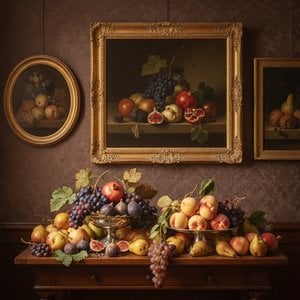
Discover the profound beauty of fruit still life paintings. Explore the rich symbolism, Baroque mastery, and timeless allure of nature's bounty through an art-historical lens, perfect for collectors and enthusiasts of classical fine art.

 設置イメージを確認
 送る
送る シェア
シェア
 詳細情報
詳細情報 ガイドを表示

 画像をダウンロード
 似ている作品
 X線調査
X線調査 スライドショー
 統計情報
統計情報

 続きを読む
続きを読む









 ガラスオプションは、110cm未満のサイズでのみご利用いただけます。


