
このページに掲載されている作品は著作権法によって保護されており、当社の許可なく同一の複製物を制作または販売することは法律で禁じられています。この保護は、以下のような国際条約に基づき執行されます。 ベルヌ条約 および、以下の条項に定められたものを含む各国の法律により、 米国著作権法 第17編。
この手法は、著作権で保護された作品の複製や複写を伴わないため、著作権法に完全に準拠しています。これは単なる模倣ではなく、創造的な再解釈です。元の作品からインスピレーションを受けつつも、それとは異なる、全く新しい絵画を生み出すものです。
スピーディーな制作と多彩な仕上げオプションが魅力の、ミュージアムクオリティなジークレー・キャンバスプリント。 ( 手描きの複製画を注文する デジタル画像販売へ切り替え)





























作品のオリジナル比率に合わせた、当店の規定サイズからお選びください。

額縁や壁のスペースに合わせて、ご希望の幅と高さを入力してください。プリントはカットすることは可能ですが、元の画像より大きくすることはできないため、異なる比率のサイズを選択された場合は、画像の一部が欠けることになります。印刷を開始する前に、内容を確認していただくためのデジタルモックアップをお送りいたします。このページに表示されている画像は、実際のカット後の状態を示すものではありません。実際の仕上がりはモックアップにてご確認ください。
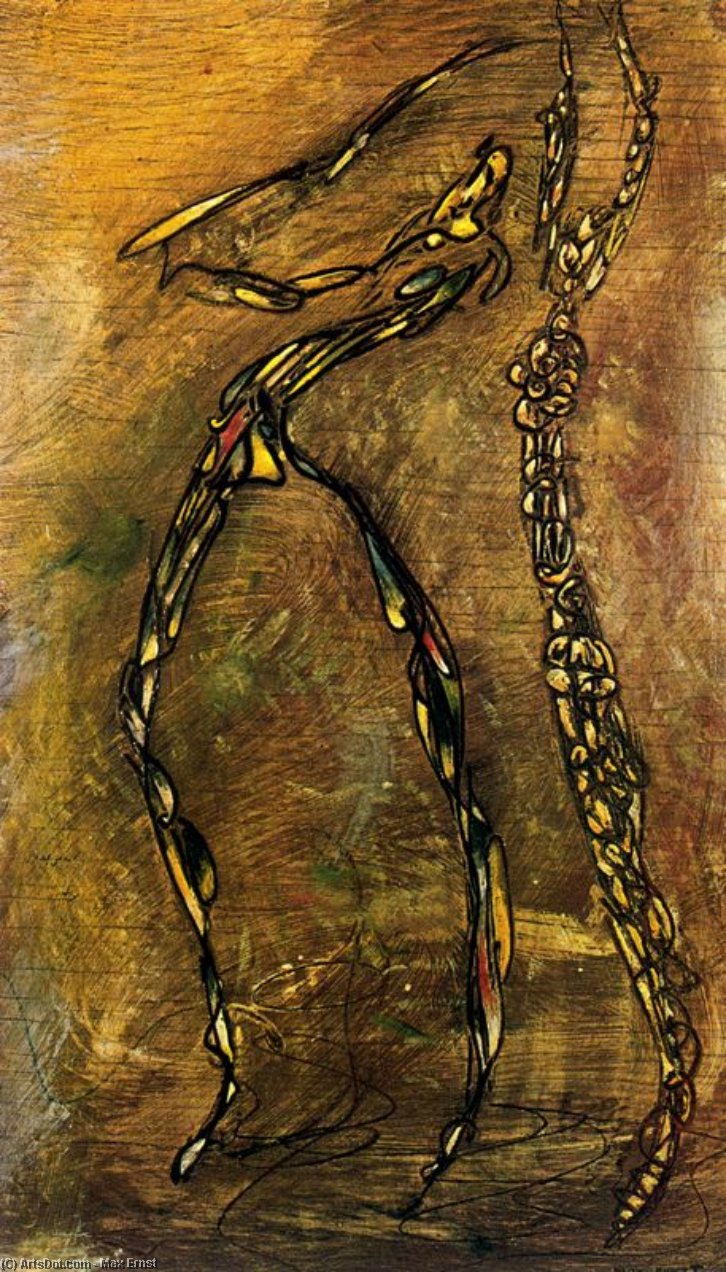
The dancers
複製画サイズ一覧
「The dancers」はabstract figures, dynamic movement, golden texture”, “vertical composition”, “expressive lines”, “geometric forms”, emotional art”を描いていますが、マックス・エルンストのこれまでのテーマとして記録されているのはkey expressionist work, central to ernst's style, recurring motif, expressionist lines, geometric abstraction, dynamic composition, human movement, spiritual aspirationです。この二つを比較することで、本作が作家のいつもの主題とどのように関連しているかが明らかになります。
「The dancers」は、マックス・エルンストの他の作品と同様に、Expressionism様式と、描き続けられてきたテーマであるkey expressionist work, central to ernst's style, recurring motif, expressionist lines, geometric abstraction, dynamic composition, human movement, spiritual aspirationを共有しています。
マックス・エルンスト作「The dancers」の推奨される用途はAccentです。もちろん、それ以外の用途でもお楽しみいただけます。


1891 - 1976 , ドイツ

Discover the profound beauty of abstract art. Our expert guide explores geometric abstraction, Op Art, and Expressionism, offering connoisseurs deep insights into collecting and curating powerful, non-representational masterpieces for sophisticated interiors.

 設置イメージを確認
 送る
送る シェア
シェア
 詳細情報
詳細情報 ガイドを表示

 画像をダウンロード
 似ている作品
 X線調査
X線調査 スライドショー
 統計情報
統計情報
 続きを読む
続きを読む









 ガラスオプションは、110cm未満のサイズでのみご利用いただけます。


