

このページに掲載されている作品は著作権法によって保護されており、当社の許可なく同一の複製物を制作または販売することは法律で禁じられています。この保護は、以下のような国際条約に基づき執行されます。 ベルヌ条約 および、以下の条項に定められたものを含む各国の法律により、 米国著作権法 第17編。
この手法は、著作権で保護された作品の複製や複写を伴わないため、著作権法に完全に準拠しています。これは単なる模倣ではなく、創造的な再解釈です。元の作品からインスピレーションを受けつつも、それとは異なる、全く新しい絵画を生み出すものです。
スピーディーな制作と多彩な仕上げオプションが魅力の、ミュージアムクオリティなジークレー・キャンバスプリント。 ( 手描きの複製画を注文する デジタル画像販売へ切り替え)





























作品のオリジナル比率に合わせた、当店の規定サイズからお選びください。

額縁や壁のスペースに合わせて、ご希望の幅と高さを入力してください。プリントはカットすることは可能ですが、元の画像より大きくすることはできないため、異なる比率のサイズを選択された場合は、画像の一部が欠けることになります。印刷を開始する前に、内容を確認していただくためのデジタルモックアップをお送りいたします。このページに表示されている画像は、実際のカット後の状態を示すものではありません。実際の仕上がりはモックアップにてご確認ください。
Some animals are illiterate
複製画サイズ一覧
Max Ernst’s “Some Animals Are Illiterate,” painted in 1973, is not merely a depiction of a cat, dog, and bird; it’s an immersion into the unsettling logic of the subconscious. Executed during a period of profound artistic experimentation, this surrealist work embodies Ernst's lifelong fascination with dreams, mythology, and the fractured nature of reality. The painting’s power resides in its deliberate ambiguity, inviting viewers to confront their own anxieties and interpretations within a landscape of symbolic suggestion.
Born in Brühl, Germany, in 1891, Max Ernst was a pivotal figure in the development of surrealist art. His artistic trajectory wasn't dictated by formal training but by an intensely personal exploration of the human psyche. Influenced by philosophers like Nietzsche and Freud, Ernst sought to unlock the hidden meanings within dreams and unconscious thought. This intellectual rigor is palpable in “Some Animals Are Illiterate,” reflecting his belief that art should be a conduit for accessing deeper truths.
Ernst’s academic background – encompassing philosophy, psychology, and literature – provided him with a unique perspective on artistic creation. He viewed the artist not as a mere craftsman but as an investigator, probing the boundaries of perception and challenging conventional notions of reality. This approach is clearly demonstrated in his ability to create images that are both visually arresting and intellectually stimulating.
The inclusion of the two spherical objects adds another layer of intrigue to the composition. These orbs could represent various things – perhaps the anxieties, desires, or hidden truths that lie beneath the surface of consciousness. The animals themselves have been interpreted in numerous ways: the cat as a symbol of cunning and independence, the dog representing loyalty and vulnerability, and the bird embodying freedom and observation.
Ultimately, “Some Animals Are Illiterate” resists easy interpretation. Its power lies precisely in its ability to evoke a range of emotions and associations within each viewer. It’s a testament to Ernst's genius that he could create an image so profoundly unsettling yet undeniably captivating.
WahooArt.com offers meticulously crafted hand-painted reproductions of Max Ernst’s “Some Animals Are Illiterate,” ensuring the preservation of this iconic artwork's beauty and impact. Each reproduction is created using archival quality materials, faithfully capturing the nuances of Ernst’s technique and color palette. Whether you are an art collector seeking to expand your collection or an interior designer looking for a statement piece, our reproductions provide an authentic connection to one of 20th-century art's most significant works. Experience the dreamscape of disquiet firsthand.
マックス・エルンスト作「Some animals are illiterate」の複製画は、Statementに最適です。作品の主題、情緒、そして色彩に基づいたおすすめの活用方法です。
マックス・エルンスト作「Some animals are illiterate」はSurrealist Movementに属しています。このムーブメントは、本作の様式的な背景を形作るものです。
マックス・エルンスト作「Some animals are illiterate」の統計情報ページでは、公開されている閲覧統計をご覧いただけます。この作品の月間閲覧数、アーティストのなかで最も閲覧されている作品との比較、そして訪問者の地域情報などが掲載されています。


1891 - 1976 , ドイツ
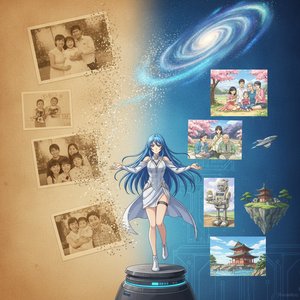
Step into the spotlight with WahooArt's AI-driven transformation. Turn your photos into stunning, hand-painted anime oil masterpieces. Experience the perfect fusion of cutting-edge technology and museum-grade craftsmanship to create a timeless pop-culture legacy for your home.

 設置イメージを確認
 送る
送る シェア
シェア
 詳細情報
詳細情報 ガイドを表示

 画像をダウンロード
 似ている作品
 X線調査
X線調査 スライドショー
 統計情報
統計情報

 続きを読む
続きを読む









 ガラスオプションは、110cm未満のサイズでのみご利用いただけます。


