

このページに掲載されている作品は著作権法によって保護されており、当社の許可なく同一の複製物を制作または販売することは法律で禁じられています。この保護は、以下のような国際条約に基づき執行されます。 ベルヌ条約 および、以下の条項に定められたものを含む各国の法律により、 米国著作権法 第17編。
この手法は、著作権で保護された作品の複製や複写を伴わないため、著作権法に完全に準拠しています。これは単なる模倣ではなく、創造的な再解釈です。元の作品からインスピレーションを受けつつも、それとは異なる、全く新しい絵画を生み出すものです。
スピーディーな制作と多彩な仕上げオプションが魅力の、ミュージアムクオリティなジークレー・キャンバスプリント。 ( 手描きの複製画を注文する デジタル画像販売へ切り替え)





























作品のオリジナル比率に合わせた、当店の規定サイズからお選びください。

額縁や壁のスペースに合わせて、ご希望の幅と高さを入力してください。プリントはカットすることは可能ですが、元の画像より大きくすることはできないため、異なる比率のサイズを選択された場合は、画像の一部が欠けることになります。印刷を開始する前に、内容を確認していただくためのデジタルモックアップをお送りいたします。このページに表示されている画像は、実際のカット後の状態を示すものではありません。実際の仕上がりはモックアップにてご確認ください。
Snow Flowers
複製画サイズ一覧
In the turbulent landscape of the early 20th century, few artists captured the fractured psyche of a post-war era as profoundly as Max Ernst. His 1929 masterpiece, Snow Flowers, serves as a mesmerizing portal into a world where the boundaries between reality and the subconscious dissolve. Born from the bitter ashes of World and I, the Dada movement—and subsequently Surrealism—sought to reject the rationalist dogmas that many believed had led humanity toward catastrophe. In this oil on canvas, Ernst does not merely depict a scene; he orchestrates an experiment in visual perception, inviting the viewer to wander through a dreamscape where organic forms and geometric fragments intertwine in a delicate, unsettling dance.
The composition of Snow Flowers is a masterclass in the beauty of chance. Eschewing the rigid constraints of traditional realism, Ernst employs a fragmented arrangement that feels both spontaneous and deeply intentional. Scattered across the canvas like relics from a forgotten dream are disparate elements: delicate flowers, textured mushrooms, weathered rocks, and even the haunting presence of a clock. This technique, rooted in the Dadaist embrace of spontaneity, mirrors the movement’s broader critique of structured thought. The muted, earthy tones that permeate the work lend it an aged patina, evoking a sense of nostalgia and decay that speaks to the collective disillusionment of a generation grappling with shifting moral frameworks and the fragility of existence.
To gaze upon Snow Flowers is to engage in a decoding of symbols. The flora within the piece—particularly the budding flowers—acts as a poignant metaphor for nascent growth, yet they are inextricably linked to themes of inevitable decline. This juxtaposition of life and decay creates a tension that is central to Ernst’s vision. The inclusion of mushrooms and organic textures suggests a primal, subterranean world, one that exists beneath the veneer of civilization. Through these motifs, Ernst explores the concept of transformation, suggesting that within every end lies the seed of a new, albeit stranger, beginning.
The presence of the clock introduces an element of temporal anxiety, reminding the observer of the relentless passage of time and the ephemeral nature of all living things. For the discerning collector or interior designer, this painting offers more than mere decoration; it provides a profound intellectual and emotional anchor. The layered textures and the interplay of light and shadow create a tactile richness that invites close inspection, making it a compelling centerpiece for any modern or eclectic space. Whether placed in a quiet study or a bold contemporary gallery, Snow Flowers continues to resonate, offering an enduring sense of wonder, introspection, and the sublime beauty found within the irrational.
マックス・エルンスト作「Snow Flowers」 の輝度は Soft Shadow です。輝度とは、色がどれほど光を反射しているかを表す指標です。
「Snow Flowers」は、Modern時代に制作されたものです。
マックス・エルンスト作「Snow Flowers」のEarthyな色彩は、おすすめの空間であるLiving Roomに調和します。


1891 - 1976 , ドイツ
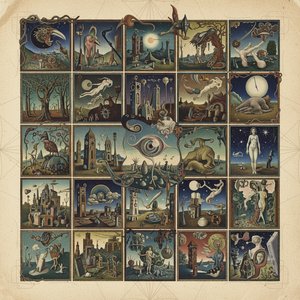
マックス・エルンストの傑作25選。シュルレアリスムを代表する画家、その夢と無意識の世界を描いた絵画や版画を紐解きます。リビングやオフィスに飾るモダンアート、インテリアに最適な作品を見つけませんか?WahooArt.comで全コレクションをオンラインで探す。

モンドリアン、マレーヴィチ…幾何学的抽象絵画を代表する傑作10選。各作品の背景や色彩構成、アーティストの情熱に迫ります。美術館品質の複製画はWahooArt.comで。オンラインでアートコレクションをご覧ください。

Dive into the high-energy world of Lyrical Abstraction. Explore how bold colors, fluid motion, and emotional depth define this modern masterpiece movement. Discover iconic artists and learn to bring this vibrant, soulful energy into your contemporary space.

抽象表現主義を定義する10の傑作。ポロック、ロスコら巨匠たちの情熱と色彩の世界へ。各作品に込められた物語と技法を紐解き、至高のアート体験を。WahooArt.comで、ミュージアムクオリティの複製画や洗練されたインテリアアイデアを発見してください。
Master the high-impact world of contemporary abstraction. Discover how bold colors, textures, and modern movements like Abstract Expressionism can transform your space with premium, high-energy art curated for the design-conscious professional.

 設置イメージを確認
 送る
送る シェア
シェア
 詳細情報
詳細情報 ガイドを表示

 画像をダウンロード
 似ている作品
 X線調査
X線調査 スライドショー
 Q&A
Q&A 統計情報
統計情報

 続きを読む
続きを読む









 ガラスオプションは、110cm未満のサイズでのみご利用いただけます。


