
x


作品のオリジナル比率に合わせた、当店の規定サイズからお選びください。

特定のフレームやスペースに合わせて、ご希望のサイズをご入力いただけます。選択されたサイズが元の画像の比率と異なる場合、アートワークをトリミングするか、手描きで要素を追加して絵画を拡張いたします。デジタルモックアップ を制作し、制作開始前にご確認(承認)をいただきます。
画面上のプレビューは、実際のトリミングや拡張を正確に反映しているものではありません。最終的な構図は、モックアップによってのみ正確にご確認いただけます。
カスタムサイズもご利用いただけますが、元の比率を維持するためには、あらかじめ用意されたリストからサイズを選択することをお勧めいたします。

Sambesiland
複製画のサイズ
Max Ernst’s *Sambesiland* (1921) isn't merely a depiction of a desolate terrain; it’s an invitation into the subconscious, a visual manifestation of dreams rendered in stark black and white. This photograph showcases a meticulously crafted reproduction of Ernst’s original painting—a piece that exemplifies the core tenets of Surrealism and continues to fascinate viewers with its unsettling beauty.
The artwork immediately commands attention with its compositional strategy. A central perspective guides the eye towards a cluster of extraordinary rock formations, positioned slightly off-center to foster visual dynamism. The horizon line remains elusive, contributing to an overall sense of disorientation—a deliberate tactic designed to mimic the illogical flow of dreams and challenge conventional perceptions of reality.
Ernst firmly established himself as a pioneer within Dada and subsequently embraced Surrealism, fueled by his profound belief in psychology's capacity to unlock hidden truths. Influenced by Sigmund Freud’s theories on psychoanalysis—particularly the concept of the unconscious—he sought to liberate art from rational constraints. *Sambesiland* embodies this ethos perfectly; it abandons representational accuracy for evocative imagery that taps into primal emotions and subconscious associations.
The painting itself was executed using oil paints on canvas—a technique characteristic of Ernst’s oeuvre. However, the reproduced image utilizes a sophisticated monochrome printing process, meticulously capturing the subtle tonal variations present in the original artwork. Ernst's innovative approach involved employing techniques like frottage and grattage – rubbing textured surfaces onto paper to generate unexpected patterns and textures. This method was particularly evident in *Sambesiland*, where Ernst painstakingly transferred the grain of wood onto canvas, creating a surface that mirrored the desolate landscape.
*Sambesiland* operates on multiple symbolic levels. The towering rock formations—often interpreted as representations of geological instability—suggest a precarious existence, mirroring anxieties prevalent during Ernst’s time. Their bizarre shapes evoke images of ancient civilizations and otherworldly realms, prompting contemplation about humanity's place within the cosmos. Furthermore, the monochromatic palette amplifies the artwork’s emotional impact, conveying a mood of melancholy and isolation—a reflection of Ernst’s own philosophical concerns regarding mortality and the human condition.
Ultimately, *Sambesiland* transcends mere visual representation; it's a conduit to a realm beyond logic. Max Ernst’s masterful manipulation of texture, form, and color—combined with his unwavering commitment to Surrealist principles—solidifies its position as an enduring masterpiece of 20th-century art. Its haunting beauty continues to inspire artists and collectors alike, reminding us that true artistic expression resides in embracing the irrational and delving into the depths of the human psyche.


1891 - 1976 , ドイツ
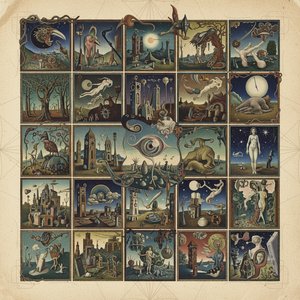
マックス・エルンストの傑作25選。シュルレアリスムを代表する画家、その夢と無意識の世界を描いた絵画や版画を紐解きます。リビングやオフィスに飾るモダンアート、インテリアに最適な作品を見つけませんか?WahooArt.comで全コレクションをオンラインで探す。
Explore 10 iconic white paintings by Monet, Whistler & Rothko! Discover the stories behind these serene masterpieces and their impact on art history. Find museum-quality reproductions for your home decor at .

Explore 10 iconic paintings dominated by black tones, from Rembrandt’s chiaroscuro to Goya's dark expressions. Discover the stories behind these masterpieces & find museum-quality art reproductions for your home at .

ロマン派絵画の時代を彩る10選。巨匠たちの風景が織りなす感動の世界へ。ターナー、ルーベンスなど、名作の裏話と高精細複製でアートをお部屋に。WahooArt.comで至福のアート体験を。

ジョン・コンスタブルの傑作25選。英国風景画の巨匠が描く自然と光の詩の世界へ。ロマン主義を代表する絵画、デダム・ヴェールやヘイ・ウェインなど、WahooArtで高品質なアートプリントをお楽しみください。インテリアに深みと感動を。コレクションはこちら。


最新の美術ニュース、限定オファー、そしてインテリアのアイデアをいち早くお届けします。
お客様のプロジェクトについてお聞かせください。当社の美術専門家が、お客様に合わせた3つのパーソナライズされた芸術提案をご提供いたします。
あなたにぴったりの3作品を無料で厳選いたします


 プレビュー
プレビュー
 プリントを購入
 シェアする
シェアする シェアする
シェアする
 詳細を見る
詳細を見る

 ダウンロード
 似ている作品
 X線調査
X線調査 スライドショー
 詳細を見る
詳細を見る






































 ガラスオプションは、110cm未満のサイズでのみご利用いただけます。


