A Dreamscape Unveiled: Exploring Max Ernst’s *Relief IV*
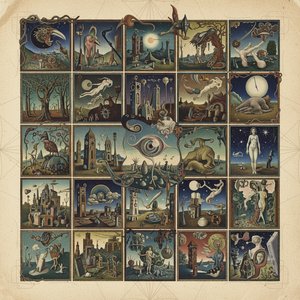
Max Ernst's *Relief IV*, created sometime in the artist’s prolific career, is a captivating example of his unique contribution to Surrealism. This black and white photograph reveals a meticulously constructed painting that transcends simple representation, inviting viewers into a world born from the subconscious. The work exemplifies Ernst’s mastery of creating unsettling yet strangely compelling imagery.
Subject Matter & Composition
The composition centers around a striking female figure with a bird's head – a recurring motif in Ernst’s oeuvre symbolizing freedom, transformation, and perhaps, a detachment from earthly concerns. She stands adjacent to a gnarled tree, its branches reaching like skeletal fingers. Other figures populate the scene, hinting at narratives left deliberately ambiguous. An everyday object, an umbrella, is positioned centrally, juxtaposed against these fantastical elements, creating a disorienting effect. A clock suspended in the upper left corner introduces the concept of time – or perhaps its distortion – within this dreamlike space. The overall arrangement feels both deliberate and haphazard, mirroring the logic of dreams themselves.
Style & Technique
*Relief IV* is a prime example of Ernst’s experimentation with techniques that blurred the lines between painting and sculpture. While appearing as a two-dimensional work, it possesses a palpable sense of depth and texture achieved through layering and meticulous detail. Ernst often employed methods like *frottage* (rubbing textures onto canvas) and collage to build up surfaces rich in visual interest. This particular piece showcases his ability to create a highly detailed and atmospheric scene that feels both tangible and ethereal. The monochromatic palette further enhances the sense of mystery and timelessness.
Historical Context & Surrealist Influences
Max Ernst was a pivotal figure in both Dadaism and Surrealism, movements born out of disillusionment with societal norms following World War I. Surrealism, spearheaded by André Breton, sought to unlock the creative potential of the unconscious mind. *Relief IV* embodies this principle perfectly. It rejects rational representation in favor of illogical juxtapositions and symbolic imagery. Ernst’s work challenged conventional artistic boundaries and paved the way for future generations of artists exploring the realm of the subconscious. His exploration of psychological themes was also influenced by his studies in philosophy, literature, and psychiatry.
Symbolism & Interpretation
The symbolism within *Relief IV* is deliberately open-ended, encouraging individual interpretation. The bird-headed woman can be seen as a representation of the artist’s muse or a symbol of feminine power. The tree may represent life, death, or ancestral roots. The umbrella, an object of protection and practicality, feels strangely out of place in this fantastical landscape, perhaps suggesting a futile attempt to control the unpredictable forces of the subconscious.
The clock, a common symbol of time’s passage, could also be interpreted as a commentary on mortality or the fleeting nature of reality.
Emotional Impact & Aesthetic Appeal
*Relief IV* evokes a sense of unease and wonder simultaneously. The unsettling imagery and ambiguous narrative create an atmosphere of mystery that draws the viewer in.
The painting’s monochromatic palette contributes to its somber yet elegant mood. Its unique aesthetic makes it a compelling piece for collectors seeking thought-provoking art, and interior designers looking to add a touch of surreal sophistication to their projects. The work's enduring appeal lies in its ability to tap into universal themes of identity, transformation, and the power of the imagination.
Collecting & Reproduction
- Original works by Max Ernst are highly sought after by museums and private collectors worldwide.
- High-quality reproductions of *Relief IV* are available, allowing art enthusiasts to experience its captivating imagery in their own homes or offices.
- When selecting a reproduction, consider the size, materials, and printing technique to ensure accurate color representation and detail.



 プレビュー
プレビュー
 手描きの絵画を購入
 シェアする
シェアする シェアする
シェアする
 詳細を見る
詳細を見る

 ダウンロード
 似ている作品
 X線調査
X線調査 スライドショー
 詳細を見る
詳細を見る






































 ガラスオプションは、110cm未満のサイズでのみご利用いただけます。