

このページに掲載されている作品は著作権法によって保護されており、当社の許可なく同一の複製物を制作または販売することは法律で禁じられています。この保護は、以下のような国際条約に基づき執行されます。 ベルヌ条約 および、以下の条項に定められたものを含む各国の法律により、 米国著作権法 第17編。
この手法は、著作権で保護された作品の複製や複写を伴わないため、著作権法に完全に準拠しています。これは単なる模倣ではなく、創造的な再解釈です。元の作品からインスピレーションを受けつつも、それとは異なる、全く新しい絵画を生み出すものです。
スピーディーな制作と多彩な仕上げオプションが魅力の、ミュージアムクオリティなジークレー・キャンバスプリント。 ( 手描きの複製画を注文する デジタル画像販売へ切り替え)





























作品のオリジナル比率に合わせた、当店の規定サイズからお選びください。

額縁や壁のスペースに合わせて、ご希望の幅と高さを入力してください。プリントはカットすることは可能ですが、元の画像より大きくすることはできないため、異なる比率のサイズを選択された場合は、画像の一部が欠けることになります。印刷を開始する前に、内容を確認していただくためのデジタルモックアップをお送りいたします。このページに表示されている画像は、実際のカット後の状態を示すものではありません。実際の仕上がりはモックアップにてご確認ください。
Muschelblume
複製画サイズ一覧
Max Ernst’s “Muschelblume” – literally "Shell Flower" – is not merely a depiction of a seashell; it's an invitation into the deeply personal and intellectually charged world of one of 20th-century art’s most enigmatic figures. Painted in 1928, this seemingly simple composition—a stark blue background juxtaposed with a curiously shaped white shell—holds within it layers of surrealist exploration, psychological insight, and Ernst's signature innovative techniques. The painting immediately draws the eye to the shell itself, its irregular contours suggesting both fragility and resilience, an echo of the natural world filtered through the artist’s uniquely distorted vision.
Ernst, a restless spirit born in Brühl, Germany, was far more than just a painter; he was a relentless investigator of consciousness. His early exposure to philosophy, art history, and even psychology profoundly shaped his artistic practice. He wasn't interested in replicating reality but rather in excavating the subconscious, using techniques like *frottage* – rubbing textured surfaces onto paper – and *grattage* – scraping paint across canvas – to reveal hidden imagery and emotional resonances. “Muschelblume” exemplifies this approach; the shell’s form isn't rendered with photographic precision but rather emerges from a process of intuitive exploration, hinting at a dreamlike state.
The deliberate use of color is crucial to understanding the painting’s impact. The deep blue background isn’t merely a backdrop; it's an active participant in the composition, creating a sense of depth and mystery. It evokes the vastness of the ocean, suggesting both tranquility and potential danger – mirroring the complexities of the human psyche that Ernst often explored. The shell itself is rendered in stark white, almost luminous against the blue, emphasizing its form and drawing attention to its unusual shape. This contrast creates a visual tension, inviting the viewer to contemplate the object’s significance.
Ernst's technique further contributes to the painting’s surreal quality. The shell isn’t smoothly rendered; there are visible brushstrokes, suggesting a process of creation rather than meticulous representation. The slight distortions in its form hint at a deliberate manipulation of reality, aligning with the core tenets of Surrealism – exploring the realm of dreams and the unconscious mind. It's as if Ernst is not simply painting a shell but capturing a fleeting impression from a subconscious memory.
“Muschelblume” can be interpreted through several lenses, reflecting Ernst’s broader artistic concerns. Shells are often associated with the sea, representing both life and death, fertility and decay – potent symbols of transformation and rebirth. The flower element adds another layer of meaning, suggesting growth, beauty, and the ephemeral nature of existence. Considering Ernst's fascination with birds (often depicted as his alter ego, Loplop), it’s possible to see the shell as a vessel for a winged creature, further blurring the boundaries between reality and fantasy.
Painted in 1928, during a period of intense experimentation within the Surrealist movement, “Muschelblume” aligns with Ernst's exploration of automatism – a technique aimed at bypassing conscious control and allowing the unconscious to guide the creative process. This painting stands as a testament to his ability to tap into this hidden realm, producing works that are both visually arresting and psychologically profound. It’s a key example of his early work, demonstrating the foundations upon which he would build his career as a pioneering surrealist artist.
WahooArt offers meticulously hand-painted reproductions of "Muschelblume," allowing you to experience the captivating beauty and intellectual depth of this iconic artwork in your own space. Our skilled artists faithfully recreate Ernst’s unique style, capturing the subtle nuances of color, texture, and form with exceptional detail. Whether displayed as a striking centerpiece or incorporated into a larger collection, a WahooArt reproduction of “Muschelblume” will serve as a constant source of inspiration and contemplation – a window into the surreal world of Max Ernst.
「Muschelblume」は、Mysteriousな感情を呼び起こします。この情緒的なトーンは、作品が与える印象を表しています。
マックス・エルンスト作「Muschelblume」において、Surrealismの潮流と近代美術の時代が融合しています。
マックス・エルンスト作「Muschelblume」 は、Living Room に飾るのがおすすめです。作品の主題、色彩、そして雰囲気に合わせたご提案です。


1891 - 1976 , ドイツ

Immerse yourself in the captivating world of slate blue! Explore 10 iconic paintings by Monet, Van Gogh & Renoir. Discover their stories, techniques & find museum-quality art reproductions for your home at .
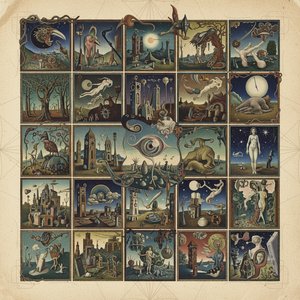
マックス・エルンストの傑作25選。シュルレアリスムを代表する画家、その夢と無意識の世界を描いた絵画や版画を紐解きます。リビングやオフィスに飾るモダンアート、インテリアに最適な作品を見つけませんか?WahooArt.comで全コレクションをオンラインで探す。

抽象表現主義を定義する10の傑作。ポロック、ロスコら巨匠たちの情熱と色彩の世界へ。各作品に込められた物語と技法を紐解き、至高のアート体験を。WahooArt.comで、ミュージアムクオリティの複製画や洗練されたインテリアアイデアを発見してください。

Journey through Wassily Kandinsky's 25 most iconic abstract paintings. Explore his revolutionary use of color, form & spiritual expressionism. Find museum-quality Kandinsky reproductions and elevate your home decor with WahooArt.com. Discover all masterpieces on WahooArt.com!

Transform your home with soulful blue art. From serene Monet impressions to modern textured sculptures, discover curated masterpieces designed to inspire calm. Explore expert art consultations and bespoke hand-painted reproductions to create your personal sanctuary.

 設置イメージを確認
 送る
送る シェア
シェア
 詳細情報
詳細情報 ガイドを表示

 画像をダウンロード
 似ている作品
 X線調査
X線調査 スライドショー
 統計情報
統計情報
 続きを読む
続きを読む









 ガラスオプションは、110cm未満のサイズでのみご利用いただけます。


