当社のアーティストが、お客様のご希望のサイズと額縁に合わせて、キャンバスに手描きで制作する油彩画です。 ( プリント版に切り替え
デジタル画像販売へ切り替え)
作品のオリジナル比率に合わせた、当店の規定サイズからお選びください。
特定のフレームやスペースに合わせて、ご希望のサイズをご入力いただけます。選択されたサイズが元の画像の比率と異なる場合、アートワークをトリミングするか、手描きで要素を追加して絵画を拡張いたします。デジタルモックアップ を制作し、制作開始前にご確認(承認)をいただきます。
画面上のプレビューは、実際のトリミングや拡張を正確に反映しているものではありません。最終的な構図は、モックアップによってのみ正確にご確認いただけます。
カスタムサイズもご利用いただけますが、元の比率を維持するためには、あらかじめ用意されたリストからサイズを選択することをお勧めいたします。
L'Amour objectif
複製画のサイズ
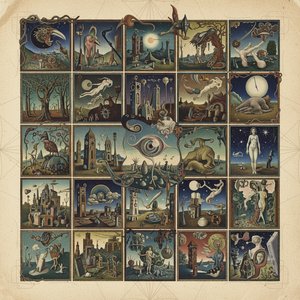
In the quiet, unsettling corridors of the subconscious, where logic dissolves and the boundaries of reality blur, resides the hauntingly beautiful world of Max Ernst. His 1927 masterpiece, L'Amour Objectif, serves as a profound gateway into the Surrealist movement—a period defined by the intellectual tremors of post-World War I Europe. This is not merely a painting to be viewed; it is an experience to be felt. As one gazes upon the canvas, they are invited into a meticulously crafted meditation on desire and perception, where every element serves as a cryptic clue to the hidden depths of the human psyche.
The composition is a masterclass in surrealist tension, presenting a tableau that feels both strangely familiar and deeply alien. At the heart of this dreamscape stands a bird, a recurring and enigmatic motif in Ernst’s vast oeuvre, its long beak poised as if caught in a moment of silent contemplation. Yet, the bird does not exist in isolation. It is surrounded by a constellation of disconnected objects: a boat drifting through an unseen current, a solitary chair, and a clock perched near the upper right corner. This deliberate juxtaposition of unrelated items creates a sense of "objective chance," a concept where the random meeting of objects sparks a new, poetic meaning that bypasses rational thought.
To touch the surface of L'Amour Objectif—even through a high-quality reproduction—is to encounter a landscape of profound tactile richness. Ernst was a pioneer of automatism, a technique designed to bypass the conscious mind and allow the unconscious to dictate the brushstroke. In this work, he achieves a breathtakingly complex texture by employing a collage-like method, layering the canvas with sand and burlap over a foundation of gesso. This creates an atmospheric depth that mimics the gritty, fragmented nature of memory itself.
The artist’s meticulous brushwork lends a sense of hyper-reality to these dreamlike forms, making the impossible feel tangibly present. For the discerning collector or interior designer, this textural complexity offers an unparalleled visual weight. The interplay of light and shadow across the textured surfaces provides a dynamic quality that changes with the ambient lighting of a room, ensuring that the artwork remains a living, breathing presence within any curated space.
Deeply embedded within the layers of this painting is the profound influence of Sigmund Freud’s psychoanalytic theories. Ernst, having studied psychology and psychiatry, utilized the canvas to explore the repressed anxieties and hidden impulses that define our existence. The clock, positioned prominently, acts as a symbol of time as an illusion—a reminder of the fleeting nature of consciousness and the persistent presence of temporal anxiety. Even the placement of the two bottles in the upper left corner suggests a fragmented reality, where even the most mundane objects are imbued with psychological significance.
For those seeking to bring a piece of art history into their homes, L'Amour Objectif offers more than just aesthetic beauty; it offers intellectual depth. It is a conversation piece that challenges the viewer to look beyond the surface and confront the mysteries of their own mind. Whether gracing a modern gallery wall or serving as a focal point in a sophisticated study, this reproduction captures the enduring spirit of Surrealism—a movement that continues to inspire awe, curiosity, and a profound emotional resonance in all who encounter it.
1891 - 1976 , ドイツ