

このページに掲載されている作品は著作権法によって保護されており、当社の許可なく同一の複製物を制作または販売することは法律で禁じられています。この保護は、以下のような国際条約に基づき執行されます。 ベルヌ条約 および、以下の条項に定められたものを含む各国の法律により、 米国著作権法 第17編。
この手法は、著作権で保護された作品の複製や複写を伴わないため、著作権法に完全に準拠しています。これは単なる模倣ではなく、創造的な再解釈です。元の作品からインスピレーションを受けつつも、それとは異なる、全く新しい絵画を生み出すものです。
スピーディーな制作と多彩な仕上げオプションが魅力の、ミュージアムクオリティなジークレー・キャンバスプリント。 ( 手描きの複製画を注文する デジタル画像販売へ切り替え)





























作品のオリジナル比率に合わせた、当店の規定サイズからお選びください。

額縁や壁のスペースに合わせて、ご希望の幅と高さを入力してください。プリントはカットすることは可能ですが、元の画像より大きくすることはできないため、異なる比率のサイズを選択された場合は、画像の一部が欠けることになります。印刷を開始する前に、内容を確認していただくためのデジタルモックアップをお送りいたします。このページに表示されている画像は、実際のカット後の状態を示すものではありません。実際の仕上がりはモックアップにてご確認ください。
Explosión en una catedral
複製画サイズ一覧
Max Ernst’s “Explosión en una Catedral” (Explosion in a Cathedral), painted in 1920, isn't merely a depiction of destruction; it’s a visceral embodiment of the profound anxieties gripping Europe following World War I. Emerging from the heart of the Dada movement, this painting represents a deliberate rejection of established artistic conventions and a furious interrogation of societal values – a sentiment powerfully expressed through its chaotic composition and unsettling imagery. The work immediately confronts the viewer with a scene of utter devastation: a cathedral, once a symbol of stability and faith, lies in ruins, seemingly consumed by an unseen force. The yellow background, radiating an almost hallucinatory intensity, intensifies the sense of disorientation and impending doom.
To understand “Explosión en una Catedral,” one must grasp the context of Dadaism. Born from the ashes of the Great War, this movement was a deliberate act of rebellion against reason, logic, and the perceived failures of the previous generation. Artists like Ernst sought to dismantle traditional notions of beauty, order, and meaning, embracing chance, absurdity, and the irrational. Ernst’s background – his philosophical studies combined with a fascination for psychology and a deep-seated skepticism about authority – provided fertile ground for this radical approach. He wasn't simply painting; he was dismantling the very idea of what constituted art. The influence of Surrealism, which would soon blossom from Dada’s core tenets, is evident in the dreamlike quality of the scene and the unsettling juxtaposition of figures.
The painting’s figures are not rendered with clarity or detail; they dissolve into fragments, mirroring the disintegration of the cathedral itself. These aren't portraits of specific individuals but rather archetypal representations of humanity caught in the throes of destruction and uncertainty. The sheer number of figures – at least thirteen visible within the chaotic scene – suggests a collective experience of trauma and loss. Their positions, some reaching out, others frozen in panic, convey a sense of desperate disorientation. The presence of a single, illuminated figure amidst the wreckage hints at a glimmer of hope or perhaps a futile attempt to salvage something from the ruins.
Ernst himself often incorporated symbolic elements into his work, frequently using the bird – represented by his alter ego, Loplop – as a metaphor for freedom and transformation. The cathedral’s destruction can be interpreted as a rejection of rigid structures—both physical and ideological—and an embrace of the unpredictable nature of existence.
“Explosión en una Catedral” remains a powerfully evocative work, encapsulating the disillusionment and anxiety that defined the post-war era. It’s a testament to Max Ernst's pioneering role in Dadaism and Surrealism, demonstrating his willingness to challenge artistic conventions and explore the darkest corners of the human psyche. WahooArt offers meticulously crafted hand-painted reproductions of this iconic masterpiece, allowing you to experience its raw emotional power and complex symbolism firsthand. Whether displayed as a statement piece in a contemporary space or studied for its historical significance, “Explosión en una Catedral” continues to resonate with viewers today, prompting reflection on the fragility of order and the enduring spirit of rebellion.
マックス・エルンスト作「Explosión en una catedral」には、ガイドページをご用意しています。これは、学生や教室での学習用に設計された、印刷可能な作品解説シートです。
「Explosión en una catedral」はStatementに最適で、Living Roomへの飾るのがおすすめです。
対応するデバイスの拡張現実(AR)機能を使用し、作品のARプレビューページから、ご自身の壁にマックス・エルンスト作「Explosión en una catedral」をプレビュー表示することができます。


1891 - 1976 , ドイツ

Discover the breathtaking allure of Art Deco. Explore the era's iconic geometry, legendary designers like Erté, and timeless glamour. Perfect for discerning collectors seeking to infuse their spaces with sophisticated modernist elegance and historical prestige.

Discover the unparalleled elegance of Art Deco through the lens of Erté. Explore a masterclass in linear precision, theatrical costume design, and high-fashion illustration that continues to define modern luxury and sophisticated interior aesthetics.

Embark on a journey through the subconscious with our expert guide to Surrealism. Discover the profound symbolism of masters like Dalí and Ernst, exploring how dreamlike imagery reshaped art history and continues to inspire collectors and enthusiasts worldwide.
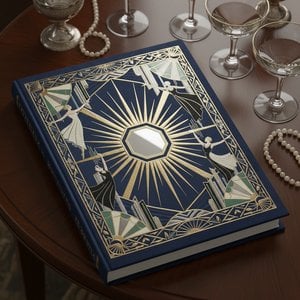
Discover the allure of Art Deco through a curated guide to its most iconic masterpieces. Explore the elegance of Erté and the innovation of Jean Dunand, perfect for collectors seeking timeless glamour and sophisticated design inspiration.

Discover the allure of Art Deco style with our expert guide to luxury interiors. Explore iconic influences from Erté to Jean Dunand and learn to curate a sophisticated space filled with timeless glamour and geometric elegance.

 設置イメージを確認
 送る
送る シェア
シェア
 詳細情報
詳細情報 ガイドを表示

 画像をダウンロード
 似ている作品
 X線調査
X線調査 スライドショー
 統計情報
統計情報
 続きを読む
続きを読む









 ガラスオプションは、110cm未満のサイズでのみご利用いただけます。


