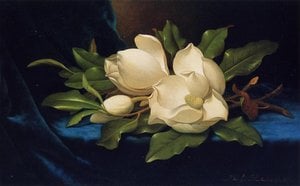
OilWallArtSurrealist Movement
 1925Modern
 50.0 x 35.0 cm
オンラインプレビューをはるかに凌ぐ、高解像度で鮮明なデジタル画像をご購入いただけます。
各ファイルは、社内の専門家が高度なツールと熟練した手作業によるレタッチを用いて、細心の注意を払って準備されています。すべての画像において、卓越した鮮明度、正確な色彩再現性、そして繊細なディテールを保証いたします。
最終ファイルは、プロフェッショナルな編集・印刷環境ですぐにご利用いただけるよう最適化された状態で、72時間以内にメールにてお届けいたします。これは、一流のデザインスタジオ、出版社、ギャラリーから信頼されているものと同等の品質です。
個人での鑑賞、印刷、クリエイティブなプロジェクト用に、高解像度ファイルをダウンロードできます。 ( プリント版に切り替え 手描きの絵画を購入)
WahooArt.com を選ぶことは、単に画像を手に入れることではありません。それは、プロの手によって精密に仕上げられ、満足保証が付いた高品質なデジタルアートワークを受け取ることを意味します。ご注文いただいた際に自動的に付随する内容は、以下の通りです:

ご注文から72時間以内に、高解像度のデジタル画像ファイルがメールでお手元に届きます。すぐにそのままご利用いただけます。

お客様の作品は、高度なAIツールと専門家による手作業の編集を組み合わせてプロフェッショナルに最適化されており、細部のディテール、鮮明さ、そして正確な色再現性を最大限に引き出しています。

ファイルを誤って削除したり、紛失してしまったりしましたか?ご安心ください。いつでも無料で再送いたします。

関税や手数料、配送料を気にすることなく、お気に入りのアートワークをすぐにお楽しみいただけます。デジタルダウンロードは常に免税です。

プロ仕様のツールとカラーマネジメント技術を用いることで、デジタル画像が元の色を最大限に忠実に再現することを保証いたします。

ご購入いただいたデジタル画像にご満足いただけない場合は、100日以内であれば、理由を問わず修正または100%の返金対応をさせていただきます。

ご満足いただけない場合は、デジタルファイルを受け取ってから100日以内であれば、理由を問わず全額返金いたします。

3枚購入で10%OFF - 5枚購入で15%OFF - 10枚以上購入で20%OFF。クリエイティブなプロジェクト、ギャラリー、エージェンシーに最適です。
In the hauntingly beautiful landscape of Max Ernst’s 1925 masterpiece, “Eve, The Only One Left to Us,” we are invited to step beyond the threshold of rational reality and into a dreamscape defined by profound psychological depth. This oil painting, measuring a delicate 50 x 35 cm, serves as more than a mere visual representation; it is a visceral meditation on vulnerability and the lingering presence of primal instinct. At first glance, the viewer is confronted by an unsettlingly singular figure—a head with an elongated neck that appears sculpted from clay or some primordial earth. Positioned against a stark, deep blue wall, the composition creates a sense of profound solitude, as if we are witnessing the very last remnant of life in a silent, cosmic void.
The painting’s power lies in its ability to evoke an immediate emotional response, blending a sense of eerie stillness with an underlying tension. For the collector or the interior designer, this piece offers a sophisticated focal point that commands attention through its mystery rather than through overt spectacle. It is a work that does not merely sit upon a wall but breathes with the restless energy of the subconscious, making it an ideal selection for spaces designed for contemplation, intellectual stimulation, or avant-garde elegance.
To understand the impact of this work, one must look to the revolutionary techniques Ernst pioneered during his tenure within the Dada and Surrealist movements. Rejecting the rigid anatomical accuracy and traditional perspectives of the past, Ernst sought to liberate imagery from the constraints of conscious control. In “Eve, The Only One Left to Us,” he utilizes a method that feels both tactile and ethereal. The texture of the central figure suggests the use of grattage or frottage—techniques where paint is scraped or rubbed to reveal hidden textures and organic imprints.
This deliberate manipulation of surface creates a sense of "unsettling beauty," where the boundaries between the human form and inanimate matter begin to dissolve. The way the light interacts with the seemingly clay-like substance of the head adds a sculptural dimension to the canvas, inviting the eye to wander over its strange, undulating contours. This mastery of texture ensures that the painting remains visually captivating from every angle, offering a rich, sensory experience that rewards prolonged observation.
The historical context of this piece is deeply intertwined with the intellectual ferment of post-war Europe. Influenced by the psychoanalytic theories of Sigmund Freud and the philosophical provocations of Nietzsche, Max Ernst used his art to explore the repressed layers of the human psyche. The title itself, suggesting a solitary survivor, evokes themes of loneliness, survival, and the primal origins of humanity. The figure of Eve becomes a symbol of both the beginning and the end—a haunting reminder of our shared biological and psychological roots.
For those seeking to adorn their homes or galleries with art that tells a story, this reproduction offers an unparalleled opportunity to possess a fragment of art history. It is a piece that transcends decoration, acting as a portal into the labyrinthine corridors of the human mind. Whether placed in a modern minimalist setting or a classic study, “Eve, The Only One Left to Us” brings with it an aura of intellectual prestige and a timeless, evocative mystery that continues to captivate the modern soul.


1891 - 1976 , ドイツ


 プレビュー
プレビュー
 シェアする
シェアする シェアする
シェアする
 詳細を見る
詳細を見る ガイド
ガイド

 ダウンロード
 似ている作品
 X線調査
X線調査 スライドショー
 統計情報
統計情報 詳細を見る
詳細を見る