

このページに掲載されている作品は著作権法によって保護されており、当社の許可なく同一の複製物を制作または販売することは法律で禁じられています。この保護は、以下のような国際条約に基づき執行されます。 ベルヌ条約 および、以下の条項に定められたものを含む各国の法律により、 米国著作権法 第17編。
この手法は、著作権で保護された作品の複製や複写を伴わないため、著作権法に完全に準拠しています。これは単なる模倣ではなく、創造的な再解釈です。元の作品からインスピレーションを受けつつも、それとは異なる、全く新しい絵画を生み出すものです。
スピーディーな制作と多彩な仕上げオプションが魅力の、ミュージアムクオリティなジークレー・キャンバスプリント。 ( 手描きの複製画を注文する デジタル画像販売へ切り替え)





























作品のオリジナル比率に合わせた、当店の規定サイズからお選びください。

額縁や壁のスペースに合わせて、ご希望の幅と高さを入力してください。プリントはカットすることは可能ですが、元の画像より大きくすることはできないため、異なる比率のサイズを選択された場合は、画像の一部が欠けることになります。印刷を開始する前に、内容を確認していただくためのデジタルモックアップをお送りいたします。このページに表示されている画像は、実際のカット後の状態を示すものではありません。実際の仕上がりはモックアップにてご確認ください。
Chimera
複製画サイズ一覧
Max Ernst's "Chimera," painted in 1921, isn’t merely a depiction of a scene; it’s an immersion into the fractured logic of the subconscious. This surrealist masterpiece, born from a period of intense artistic and intellectual exploration for Ernst, immediately confronts the viewer with a disorienting yet strangely compelling tableau. The painting presents a solitary figure – seemingly lost in contemplation – positioned before a wall adorned with a chaotic collection of objects: an umbrella tilted at an improbable angle, a chair receding into the distance, and other fragments that defy immediate recognition. It’s a visual riddle, designed not to offer easy answers but to provoke a deeper engagement with the nature of perception and reality itself.
Ernst's genius lies in his masterful manipulation of collage technique, a method he embraced as a means to liberate himself from traditional painting conventions. “Chimera” is a testament to this approach; it’s not painted directly onto canvas but constructed through the layering and juxtaposition of various materials – paper, fabric, wood, and other found objects. This deliberate fragmentation mirrors the fragmented nature of dreams and memories, suggesting that our understanding of the world is inherently unstable and subject to distortion. The resulting texture and visual complexity are deeply evocative, inviting the viewer to trace the lines between the disparate elements and construct their own interpretation.
“Chimera” is a quintessential example of the surrealist movement’s fascination with the irrational and the unconscious. Inspired by artists like Giorgio de Chirico, Ernst sought to tap into the hidden depths of the psyche, bypassing rational thought in favor of intuitive association. The umbrella, for instance, often symbolizes protection or communication, yet here it hangs passively on the wall, stripped of its function and imbued with an unsettling stillness. Similarly, the chair, a symbol of domesticity and stability, is placed in the background, suggesting a detachment from reality and perhaps even a sense of isolation. These carefully chosen juxtapositions create a tension that permeates the entire composition.
The very title, “Chimera,” alludes to the mythical beast—a creature composed of disparate animal parts—representing the composite nature of dreams and the blending of different realities within the mind. Ernst’s use of this mythological reference isn't simply decorative; it underscores the painting’s core theme: the instability of identity and the difficulty of defining a coherent self. The solitary figure, lost in contemplation before this chaotic wall, embodies this struggle – a being adrift in a world where familiar objects hold no fixed meaning.
Understanding “Chimera” requires acknowledging Max Ernst’s broader artistic and intellectual context. Born in Brühl, Germany, in 1891, Ernst was deeply influenced by philosophy, psychology, and literature – fields he pursued with relentless curiosity throughout his life. His early academic training instilled a critical approach to art, prompting him to question established norms and seek new ways of representing the world. “Chimera” reflects this spirit of experimentation, pushing the boundaries of artistic expression and challenging viewers to reconsider their assumptions about what constitutes ‘art’ itself.
The painting's creation coincided with a period of significant upheaval in Europe – the aftermath of World War I and the rise of new political ideologies. Surrealism emerged as a direct response to this climate of uncertainty, offering an alternative mode of expression that embraced the irrational and defied conventional logic. “Chimera” stands as a powerful testament to this movement’s ambition—a visual exploration of the subconscious mind and a bold assertion of artistic freedom.
WahooArt offers meticulously crafted, hand-painted reproductions of Max Ernst's “Chimera,” allowing you to experience this iconic work in stunning detail. Our artists replicate Ernst’s unique collage technique and evocative use of color with the utmost precision, capturing the painting’s dreamlike atmosphere and unsettling beauty. Whether displayed in a contemporary space or a classic setting, a reproduction of "Chimera" will serve as a captivating focal point, sparking conversation and inviting contemplation.
Beyond its aesthetic appeal, “Chimera” remains a profoundly resonant work of art—a poignant reflection on the nature of reality, identity, and the human condition. It’s an invitation to step outside the confines of rational thought and embrace the mysteries of the subconscious. Explore our collection today and bring this extraordinary piece into your world.
「Chimera」の明暗のコントラストはBoldと記録されています。コントラストとは、明るい部分と暗い部分がどの程度強く異なっているかを表す指標です。
マックス・エルンストは、「Chimera」においてCollageの技法を用いています。この技法が、原画の素材としての性質を決定づけています。
マックス・エルンスト作「Chimera」のガイドページでは、印刷して活用できる2枚構成のファクトシートを提供しています。これには、作品とその詳細情報をまとめたデータテーブル、アーティストの生涯における時代背景を示す年代チャート、同アーティストによる他の作品、測定されたカラーパレット、そしてそのままコピーして使用できる4つの形式の引用文献情報が含まれています。

1891 - 1976 , ドイツ
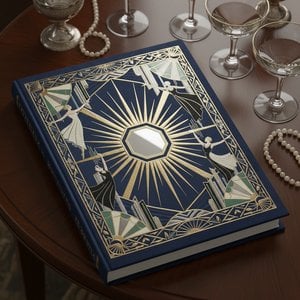
Discover the allure of Art Deco through a curated guide to its most iconic masterpieces. Explore the elegance of Erté and the innovation of Jean Dunand, perfect for collectors seeking timeless glamour and sophisticated design inspiration.

Embark on a journey through the subconscious with our expert guide to Surrealism. Discover the profound symbolism of masters like Dalí and Ernst, exploring how dreamlike imagery reshaped art history and continues to inspire collectors and enthusiasts worldwide.

Embark on a sophisticated journey through the surrealist movement. Discover how masters like Dalí and Ernst blurred the lines between dreams and reality through innovative techniques, exploring the profound impact of the subconscious on fine art history with expert authority.

Discover the allure of Art Deco style with our expert guide to luxury interiors. Explore iconic influences from Erté to Jean Dunand and learn to curate a sophisticated space filled with timeless glamour and geometric elegance.

Discover the breathtaking allure of Art Deco. Explore the era's iconic geometry, legendary designers like Erté, and timeless glamour. Perfect for discerning collectors seeking to infuse their spaces with sophisticated modernist elegance and historical prestige.

 設置イメージを確認
 送る
送る シェア
シェア
 詳細情報
詳細情報 ガイドを表示

 画像をダウンロード
 似ている作品
 X線調査
X線調査 スライドショー
 統計情報
統計情報

 続きを読む
続きを読む









 ガラスオプションは、110cm未満のサイズでのみご利用いただけます。


