

このページに掲載されている作品は著作権法によって保護されており、当社の許可なく同一の複製物を制作または販売することは法律で禁じられています。この保護は、以下のような国際条約に基づき執行されます。 ベルヌ条約 および、以下の条項に定められたものを含む各国の法律により、 米国著作権法 第17編。
この手法は、著作権で保護された作品の複製や複写を伴わないため、著作権法に完全に準拠しています。これは単なる模倣ではなく、創造的な再解釈です。元の作品からインスピレーションを受けつつも、それとは異なる、全く新しい絵画を生み出すものです。
スピーディーな制作と多彩な仕上げオプションが魅力の、ミュージアムクオリティなジークレー・キャンバスプリント。 ( 手描き複製画を注文する デジタル画像販売へ切り替え)





























作品のオリジナル比率に合わせた、当店の規定サイズからお選びください。

額縁や壁のスペースに合わせて、ご希望の幅と高さを入力してください。プリントはカットすることは可能ですが、元の画像より大きくすることはできないため、異なる比率のサイズを選択された場合は、画像の一部が欠けることになります。印刷を開始する前に、内容を確認していただくためのデジタルモックアップをお送りいたします。このページに表示されている画像は、実際のカット後の状態を示すものではありません。実際の仕上がりはモックアップにてご確認ください。
Aquis submersus
複製画サイズ一覧
In the quiet, unsettling depths of Max Ernst’s 1919 masterpiece, Aquis Submersus, we find ourselves transported far beyond the boundaries of the rational world. The title itself, Latin for "Drowned in the Waters," serves as a haunting prelude to the visual journey that follows. At first glance, the painting presents a scene of deceptive tranquility: a swimming pool nestled among architectural forms, where figures linger in a state of suspended animation. Yet, beneath this serene surface lies the restless energy of the early 20th century, a period defined by the profound psychological shifts following the Great War. Ernst does not merely paint a landscape; he constructs a psychological labyrinth, inviting the viewer to navigate the murky waters of the human subconscious.
The composition is a masterclass in the Metaphysical art style, characterized by its dreamlike logic and the unsettling juxtaposition of ordinary objects. A man stands poised before the pool, his gaze fixed upon a woman reclining within the water, creating an intimate yet strangely detached connection. The presence of sports balls—specifically a tennis ball resting on the ground—acts as a deliberate disruption to the scene's stillness, injecting an element of Dadaist humor and incongruity. Above this tableau, a clock hangs in the sky, its reflection shimmering upon the water like a pale moon. This blurring of boundaries between the celestial and the terrestrial creates a sense of spatial disorientation, making the viewer question the very dimensions of the world being depicted.
To gaze upon Aquis Submersus is to engage with a complex web of symbols that resonate with the theories of Freud and Jung. The submerged woman can be interpreted as an emblem of vulnerability, femininity, or perhaps even repressed desire, drifting in a realm where the laws of physics no longer apply. The decaying organic matter and the presence of a shipwreck visible beneath the surface hint at themes of mortality and the inevitable erosion of order. Ernst utilizes a palette of muted blues, greens, and earthy tones to cultivate an atmosphere that is simultaneously calming and deeply melancholic. His technique, while retaining a certain painterly texture, prioritizes emotional resonance over photographic accuracy, using simplified forms to heighten the painting's surrealist impact.
For the discerning collector or interior designer, this artwork offers more than just visual beauty; it provides a profound intellectual anchor for any space. A high-quality reproduction of this piece brings with it the weight of art history and the avant-garde spirit of the Dada movement. Whether placed in a contemporary gallery setting or as a focal point in a sophisticated study, Aquis Submersus commands attention through its ability to provoke thought and evoke mystery. It is an invitation to look beneath the surface of our perceived reality and to find beauty in the irrational, the submerged, and the unexpected.
マックス・エルンスト作「Aquis submersus」の手描き複製画は、こちらの手描き油彩複製画ページから直接ご注文いただけます:リネンキャンバスに手描きされた油彩複製画(受注制作)
マックス・エルンスト作「Aquis submersus」は、その情緒においてSereneと表現されます。この分類は、作品を空間やシーンに合わせる際の手助けとなります。
「Aquis submersus」は、SereneなムードにMysteriousな感情が添えられた作品です。


1891 - 1976 , ドイツ

Step into the dreamscape of Salvador Dalí. Explore 25 iconic Surrealist masterpieces, from melting clocks to bizarre landscapes. Discover the stories behind these timeless works and find museum-quality art reproductions for your decor. Explore the full collection on WahooArt.com.
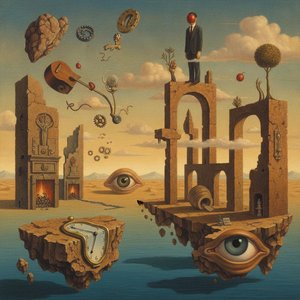
Step into a dreamscape of Surrealism. Uncover the stories behind 10 iconic masterpieces by legends like Salvador Dalí and René Magritte. Find museum-quality art reproductions and curated decor inspiration to transform your space. Discover all masterpieces on WahooArt.com.
 設置イメージを表示
 シェアする
シェアする シェアする
シェアする
 詳細を見る
詳細を見る ガイドを表示

 ダウンロード
 似ている作品
 X線調査
X線調査 スライドショーを表示
 Q&A
Q&A
 統計情報
統計情報

 詳細を表示
詳細を表示









 ガラスオプションは、110cm未満のサイズでのみご利用いただけます。


