Oil On CanvasWallArtBaroque
 Early Modern
 166.0 x 113.0 cm
 ウフィツィ美術館
当社のアーティストが、お客様のご希望のサイズと額縁に合わせて、キャンバスに手描きで制作する油彩画です。 ( プリント版に切り替え デジタル画像販売へ切り替え)





























作品のオリジナル比率に合わせた、当店の規定サイズからお選びください。

フレームや壁のスペースに合わせて、ご希望の幅と高さを入力してください。本作品は手描きのため、異なる比率のサイズをご希望の場合、絵画の周囲を少し広げて描くか、あるいは端を少しカットして調整することが可能です。お客様のご要望に合わせます。制作を開始する前に、仕上がりを確認するためのデジタルモックアップをお送りいたします。このページに表示されている画像は完成品の実物ではなく、あくまでモックアップによるイメージです。
Annunciation
複製画サイズ一覧
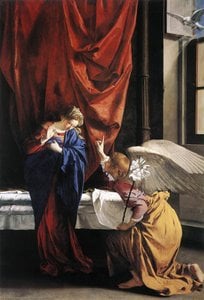
In the quiet, amber-hued depths of Matthias Stom’s Annunciation, we are invited into a moment of profound spiritual stillness. The scene is not one of celestial fanfare or golden clouds, but rather an intimate, earthly encounter captured within the heavy shadows of a Baroque interior. As the Archangel Gabriel descends to deliver the divine message to the Virgin Mary, the atmosphere is thick with reverence and the palpable weight of destiny. Stom, a master often shrouded in the very shadows he painted, utilizes a dramatic chiarosc_uro technique that pulls the viewer into the room, making us feel like silent witnesses to this sacred visitation. The flickering candlelight, casting long and soft shadows across the austere space, creates a sense of mystery that transcends the canvas, turning a biblical event into a deeply personal meditation on faith.
The composition is a masterclass in focused storytelling, where every figure and object serves to deepen the narrative's emotional resonance. In the foreground, two women command our attention; one holds a book, a poignant symbol of divine wisdom and the fulfillment of prophecy, while the other gestures upward, her movement embodying Mary’s humble acceptance of God's will. This physical connection between the earthly gesture and the heavenly messenger bridges the gap between the human and the divine. Behind them, a third figure stands near the wall, a silent sentinel of piety and humility, while the presence of additional figures in the soft-focus background adds a layer of communal devotion to the scene. The deliberate use of light ensures that while the room remains dark and mysterious, the essential truths of the encounter are illuminated with startling clarity.
To behold this work is to understand the profound influence of the Caravaggism movement on the Dutch and Italian masters of the seventeenth century. Matthias Stom, likely born in Amersfoort, brought a unique Northern sensibility to the dramatic Italian style. Unlike some of his contemporaries who sought out more flamboyant or even scandalous subject matter, Stom turned his gaze toward the profound gravity of biblical narratives. His technique—characterized by an uncompromising devotion to realism and a sophisticated command of light—allows the textures of fabric, the glow of skin, and the grain of wood to feel tangibly present. This commitment to realism does not merely serve aesthetic beauty; it serves to ground the miraculous in the recognizable, making the divine feel accessible and real.
For the discerning collector or interior designer, an Annunciation by Stom offers more than just a beautiful image; it provides a focal point of intellectual and emotional depth. The painting’s somber palette and dramatic lighting make it an exquisite addition to spaces that value sophistication, quietude, and historical weight. Whether placed in a curated gallery setting or as a centerpiece in a room designed for contemplation, this reproduction captures the eternal tension between light and dark, known and unknown. It is a piece that invites the eye to linger in its shadows, searching for the truth hidden within the glow of a single candle, much like the faithful searching for grace in the quiet moments of life.
「Annunciation」の原画はウフィツィ美術館に所蔵されており、本作品はパブリックドメイン(著作権消滅)です。
マティアス・ストム作「Annunciation」はウフィツィ美術館, フィレンツェ, Italyに展示されています。なお、美術館の掲載情報は複製画ではなく、原画に関するものです。
「Annunciation」において、Oil On Canvasの技法とBaroqueのムーブメントが融合しています。

1590 - 1670 , オランダ

Master the nuances of Giclée printing with our expert guide. Discover how pigment-based inks and museum-grade substrates create fade-resistant, high-fidelity art reproductions designed for discerning collectors seeking unparalleled quality and longevity.

 設置イメージを確認
 送る
送る シェア
シェア
 詳細情報
詳細情報 ガイドを表示

 画像をダウンロード
 似ている作品
 X線調査
X線調査 スライドショー
 統計情報
統計情報 続きを読む
続きを読む









 ガラスオプションは、110cm未満のサイズでのみご利用いただけます。