
x


 Oil On CanvasWallArtBaroque
 1664Early Modern
 73.0 x 56.0 cm
 エルミタージュ美術館




























作品のオリジナル比率に合わせた、当店の規定サイズからお選びください。

特定のフレームやスペースに合わせて、ご希望のサイズをご入力いただけます。選択されたサイズが元の画像の比率と異なる場合、アートワークをトリミングするか、手描きで要素を追加して絵画を拡張いたします。デジタルモックアップ を制作し、制作開始前にご確認(承認)をいただきます。
画面上のプレビューは、実際のトリミングや拡張を正確に反映しているものではありません。最終的な構図は、モックアップによってのみ正確にご確認いただけます。
カスタムサイズもご利用いただけますが、元の比率を維持するためには、あらかじめ用意されたリストからサイズを選択することをお勧めいたします。

Immaculate Conception
複製画のサイズ
To gaze upon this depiction of the Immaculate Conception is to step directly into a moment suspended between earthly devotion and divine glory. Mateo Cerezo the Younger, in 1664, captured not merely an image, but an ethereal experience. The Virgin Mary, cradling the divine presence of the Christ Child, forms the serene heart of the composition. Above them, the vast, cloudy sky suggests a realm beyond mortal understanding, while the surrounding elements—the lush forest backdrop and the gentle presence of attendant angels—anchor this heavenly vision within a tangible, yet sublime, setting. It is a masterpiece steeped in the profound piety characteristic of the Spanish Baroque period.
Cerezo’s handling of paint speaks volumes about his mastery, reflecting the vibrant energy absorbed from Venetian luminaries like Titian. The technique employed here allows light to seem not merely applied, but emanating from within the figures themselves. Observe how the drapery falls around Mary; it possesses a weight and fluidity that suggests movement even in stillness. This is Baroque drama translated onto canvas—a heightened emotional reality where every fold of cloth and every gesture carries narrative weight. The contrast between the deep greens of the forest and the luminous skin tones of the figures creates an optical richness, inviting the viewer to lose themselves within its painted depths.
The symbolism in this work is rich for contemplation. The Immaculate Conception itself speaks to purity untainted by sin, a theological concept rendered with breathtaking visual poetry. The presence of angels flanking Mary serves as celestial witness, their gazes directed toward the central mystery. Further details draw the eye: the delicate bird perched near the upper corner might symbolize the soul or divine communication, while the bow resting on the ground suggests either preparation for a sacred rite or a moment of profound, quiet celebration. These elements work in concert to build an atmosphere of reverent anticipation.
Dating from 1664, this painting places us squarely within the height of Madrid’s Baroque flourishing. Cerezo, influenced by the grand traditions of his father and the innovations learned in workshops like Carreño de Miranda's, channeled a distinctly Spanish devotional fervor. This was art meant to inspire awe, to elevate the spirit, and to draw the viewer into deep meditation upon matters of faith. Owning a reproduction of this piece is not simply acquiring decoration; it is curating a focal point of spiritual contemplation for your home or gallery.
For those who appreciate the dramatic sweep of Baroque composition combined with meticulous, luminous detail, this artwork offers an unparalleled connection to 17th-century Spanish artistry. Its scale (73 x 56 cm) allows it to command attention without overwhelming a space, making it ideal for a grand hall, a chapel niche, or a richly decorated drawing room. It promises the collector and designer alike a piece that is both historically significant and emotionally resonant—a timeless vision of grace.

The history of the Spanish Baroque is often told through the lens of long-lived masters, yet the brief, incandescent career of Mateo Cerezo the Younger (1637–1666) offers a poignant testament to the intensity of artistic genius. Born in the historic city of Burgos, Cerezo was destined for the brush, inheriting a profound connection to devotional art from his father, Mateo Cerezo the Elder. This lineage provided him with more than just technical instruction; it instilled a spiritual vocabulary that would allow him to navigate the complex religious landscape of 17th-century Spain. His early years were marked by a deep immersion in the traditions of sacred narrative, preparing him for a life dedicated to capturing the divine through pigment and light.
As his talent matured, Cerezo moved toward the vibrant artistic epicenter of Madrid, where his style underwent a transformative evolution. Under the mentorship of Carreño de Miranda, a pivotal figure in the Madrid school, Cerezo was introduced to a world of innovation that bridged Spanish tradition with the burgeoning influences of Italy. This period of his development was characterized by an expanding palette and a more sophisticated approach to composition. He began to weave the luminous color harmonies of the Venetian masters—most notably Titian and Veronese—into the fabric of his work. The result was a unique synthesis: the dramatic, somber gravity of Spanish devotion met with a breathtaking, airy brilliance that breathed new life into his religious subjects.
Cerezo’s technical prowess is most strikingly evident in his command of chiaroscuro. He did not merely use light to illuminate his subjects; he used it to sculpt them, creating a profound interplay between shadow and radiance that heightened the emotional stakes of every scene. In works such as Stigmatization Meadow, one can witness how he utilized dynamic compositions and dramatic lighting to evoke the very essence of divine intervention. His ability to manipulate contrast allowed him to guide the viewer's eye through complex narratives, ensuring that the spiritual weight of the subject matter remained the central focus.
Beyond his mastery of light, Cerezo possessed a remarkable sensitivity for detail and texture, which extended even into his stunning still lifes. His religious compositions, including celebrated pieces like Magdalena and San Juan Bautista, are characterized by:
The trajectory of Mateo Cerezo the Younger was tragically cut short when he passed away in 1666 at the tender age of twenty-nine. His death left the Madrid Baroque scene mourning a visionary who had only just begun to redefine the boundaries of his medium. Despite the brevity of his life, the impact of his work remains indelible. He succeeded in bridging the gap between the austere traditions of his father's generation and the more flamboyant, light-filled aesthetics that would define the later stages of the Baroque era.
Today, Cerezo is remembered not merely as a talented student of the Madrid school, but as an artist who brought a specific, shimmering grace to Spanish religious painting. His ability to marry the heavy emotionality of Spanish mysticism with the sophisticated colorism of the Venetian masters ensures his place in the canon of 17th-century art. Through his surviving masterpieces, such as the serene Immaculate Conception, we continue to experience the profound spiritual vision of a painter whose light was extinguished far too soon.

1637 - 1666 , Spain
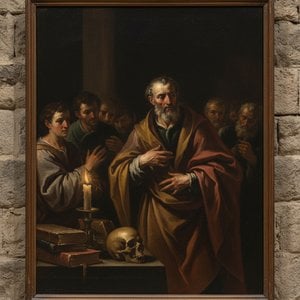
Explore the profound drama of Spanish Baroque art. Delve into the mastery of light, shadow, and realism through the legendary works of Diego Velázquez and the Spanish Golden Age.

Embark on a profound journey through art history with our exploration of the most iconic depictions of the Virgin Mary. Discover the divine grace, symbolism, and masterful techniques found in Renaissance masterpieces and sacred iconography.


最新の美術ニュース、限定オファー、そしてインテリアのアイデアをいち早くお届けします。
お客様のプロジェクトについてお聞かせください。当社の美術専門家が、お客様に合わせた3つのパーソナライズされた芸術提案をご提供いたします。
あなたにぴったりの3作品を無料で厳選いたします


 プレビュー
プレビュー
 プリントを購入
 シェアする
シェアする シェアする
シェアする
 詳細を見る
詳細を見る

 ダウンロード
 似ている作品
 X線調査
X線調査 スライドショー
 詳細を見る
詳細を見る









 ガラスオプションは、110cm未満のサイズでのみご利用いただけます。


