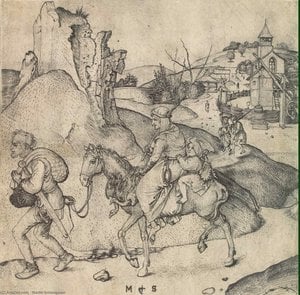
EngravingWallArtNorthern Renaissance
 122.0 x 84.0 cm
 Szépművészeti Múzeum
オンラインプレビューをはるかに凌ぐ、高解像度で鮮明なデジタル画像をご購入いただけます。
各ファイルは、社内の専門家が高度なツールと熟練した手作業によるレタッチを用いて、細心の注意を払って準備されています。すべての画像において、卓越した鮮明度、正確な色彩再現性、そして繊細なディテールを保証いたします。
最終ファイルは、プロフェッショナルな編集・印刷環境ですぐにご利用いただけるよう最適化された状態で、72時間以内にメールにてお届けいたします。これは、一流のデザインスタジオ、出版社、ギャラリーから信頼されているものと同等の品質です。
WahooArt.com を選ぶことは、単に画像を手に入れることではありません。それは、プロの手によって精密に仕上げられ、満足保証が付いた高品質なデジタルアートワークを受け取ることを意味します。ご注文いただいた際に自動的に付随する内容は、以下の通りです:

ご注文から72時間以内に、高解像度のデジタル画像ファイルがメールでお手元に届きます。すぐにそのままご利用いただけます。

お客様の作品は、高度なAIツールと専門家による手作業の編集を組み合わせてプロフェッショナルに最適化されており、細部のディテール、鮮明さ、そして正確な色再現性を最大限に引き出しています。

ファイルを誤って削除したり、紛失してしまったりしましたか?ご安心ください。いつでも無料で再送いたします。

関税や手数料、配送料を気にすることなく、お気に入りのアートワークをすぐにお楽しみいただけます。デジタルダウンロードは常に免税です。

プロ仕様のツールとカラーマネジメント技術を用いることで、デジタル画像が元の色を最大限に忠実に再現することを保証いたします。

ご購入いただいたデジタル画像にご満足いただけない場合は、100日以内であれば、修正または100%の返金(理由を問う必要はありません)をさせていただきます。

ご満足いただけない場合は、デジタルファイルを受け取ってから100日以内であれば、理由を問わず全額返金いたします。

3枚購入で10%OFF - 5枚購入で15%OFF - 10枚以上購入で20%OFF。クリエイティブなプロジェクト、ギャラリー、エージェンシーに最適です。
Martin Schongauer’s “The Fourth Wise Virgin,” created around 1490, is more than just an engraving; it's a meticulously crafted window into the spiritual and artistic currents of late medieval Germany. This captivating image, housed within the National Gallery of Art in Washington D.C., draws upon both established iconography – referencing the biblical tale of the Wise Virgins – and Schongauer’s own distinctive style, blending meticulous detail with an almost haunting sense of introspection. The work immediately commands attention not through grand scale or overt drama, but through a profound quietude and a subtle layering of symbolism that invites prolonged contemplation.
Schongauer's artistic lineage is deeply rooted in the traditions of goldsmithing, a craft he likely learned from his father. This background profoundly shaped his approach to engraving – an art demanding unparalleled precision and control over line. The image’s remarkable clarity stems from Schongauer’s mastery of hatching and cross-hatching techniques, creating a sophisticated illusion of form and texture. He doesn't simply depict the figure; he sculpts her presence with carefully placed lines, imbuing the composition with an almost palpable sense of weight and volume. The use of negative space is equally crucial, drawing attention to the central subject while subtly suggesting the vastness of the surrounding world – a world both familiar and potentially perilous.
The scene itself draws upon the well-known parable of the Wise and Foolish Virgins. Ten young women are preparing for the wedding of the king, each carrying a lamp filled with oil. The foolish ones neglect their duty, leaving their lamps unlit, and are subsequently barred from entering the celebration. The Fourth Virgin, depicted here in profile, embodies a serene yet subtly melancholic acceptance of her fate. Her posture is dignified, suggesting not despair but a quiet understanding of divine judgment. The candle she holds – a potent symbol of faith, enlightenment, and guidance – casts a gentle glow upon her face, illuminating her expression with an ethereal light.
Schongauer’s choice to focus on this particular virgin is intriguing. Unlike the more overtly dramatic depictions found in other prints from the series, Schongauer's rendering emphasizes introspection rather than external action. The background is deliberately sparse, devoid of elaborate details or distracting elements. This minimalist approach directs the viewer’s attention entirely onto the figure herself, amplifying her internal state and inviting us to contemplate the moral implications of the story. The composition subtly suggests a sense of isolation – a solitary figure contemplating a universal truth.
“The Fourth Wise Virgin” is a prime example of Northern Renaissance engraving, characterized by its meticulous detail, refined draftsmanship, and a deep engagement with both religious iconography and contemporary fashion. Schongauer’s work reflects the influence of Early Netherlandish painting, particularly the realism and attention to texture evident in the drapery and facial features. The print's creation coincided with a period of significant artistic innovation, as engravers began to explore new techniques for achieving greater tonal range and simulating the effects of paint. The use of a copper or iron plate, meticulously etched with lines using specialized tools like burins, is itself a testament to Schongauer’s technical skill.
Furthermore, the print's creation occurred during a time of intense religious fervor and social upheaval in Europe. The Reformation was gaining momentum, challenging traditional beliefs and practices. Schongauer’s work can be interpreted as a meditation on themes of faith, judgment, and redemption – timeless concerns that resonated deeply with audiences throughout the Renaissance.
“The Fourth Wise Virgin” endures not merely as a beautiful engraving but as a poignant reflection on human nature. Schongauer’s masterful use of line, light, and shadow creates an image that is both visually arresting and emotionally resonant. It's a work that invites viewers to contemplate their own choices, their own faith, and their place within the larger narrative of life and death. The engraving’s quiet dignity and subtle symbolism continue to captivate audiences centuries after its creation, solidifying Schongauer’s legacy as one of the most important printmakers of the Northern Renaissance.

マルティン・ショーンガウアーは、1450年頃にアルザス地方のコルマール(現在のフランス)で生まれました。彼は北方ルネサンス期の版画発展において重要な役割を果たしました。彼の父、カスパル・ショーンガウアーは、1440年頃にドイツのアウクスブルクからコルマールに移り住んだ金細工師でした。この家系の背景が、マルティンの初期の芸術的訓練に大きく影響を与えました。なぜなら、金細工は精密なディテールと金属加工技術の確かな基礎を提供し、それらのスキルは直接的に銅版画に応用可能だったからです。
1465年、ショーンガウアーは短期間ライプツィヒ大学に通いましたが、すぐに学問を捨てて完全に芸術に専念しました。彼は当初、初期ネーデルラント絵画、特にロヒール・ファン・デル・ウェイデンの作品の影響を受けた地元の巨匠カスパル・イゼンマンのもとで画家として訓練を受けました。この初期のネーデルラント写実主義への接触とディテールへの注意は、ショーンガウアー自身のスタイルを特徴づけるものとなりました。
ショーンガウアーの芸術的様式は、明確で整理されたゴシック美学と、北方ルネサンスの新興の影響が融合したものです。彼は直接的なイタリアの影響を受けませんでしたが、代わりにドイツと初期ネーデルラントの伝統からインスピレーションを得ました。彼の作品は、細心の注意を払ったディテール、表現力豊かな人物描写、そして洗練された構成への深い理解を示しています。
ショーンガウアーは、彼のモノグラムが刻印された116枚の銅版画で最もよく知られています。これらの版画はヨーロッパ全土に広く普及し、版画技術と芸術様式の発展に大きな影響を与えました。彼の版画はしばしば宗教的な場面、肖像画、そして寓意的な主題を描いています。
マルティン・ショーンガウアーは、美術界に多大な影響を与えました。彼は国際的に認められた最初期のドイツ人アーティストの一人でした。彼の版画は高く評価され広く模倣され、彼の芸術様式をヨーロッパ中に広めました。ミケランジェロ自身がショーンガウアーの銅版画の一つ、『聖アントニウスの試練』を研究し、コピーしたという記録もあります。これは、後世の巨匠たちがショーンガウアーを高く評価していたことを示しています。
ショーンガウアーの作品は、ゴシック美術とルネサンス美術の橋渡しとなり、アルブレヒト・デューラーのようなアーティストへの道を開きました。彼の革新的な銅版画技術の使用と芸術的ディテールへの献身は、版画史と北ヨーロッパ美術に永続的な遺産を残しました。
マルティン・ショーンガウアーは1491年2月2日にブライスハで亡くなりました。彼は、その芸術的価値と歴史的重要性のために、今日でも称賛され続けています。

1450 - 1491 , ドイツ


 プレビュー
プレビュー
 プリントを購入
 シェアする
シェアする シェアする
シェアする
 詳細を見る
詳細を見る

 ダウンロード
 似ている作品
 X線調査
X線調査 スライドショー
 詳細を見る
詳細を見る