EngravingWallArtNorthern Renaissance
 Renaissance
 124.0 x 82.0 cm
 Szépművészeti Múzeum
迅速な制作と多彩な仕上げオプションを備えた、ミュージアムクオリティのジークレーまたはキャンバスプリント。 ( 手描きの絵画を購入 デジタル画像販売へ切り替え)





























作品のオリジナル比率に合わせた、当店の規定サイズからお選びください。

特定のフレームやスペースに合わせて、ご自身でサイズを指定することも可能です。選択されたサイズが元の画像の比率と一致しない場合、作品をトリミングするか、鏡面反射または単色での塗りつぶしによって画像を拡張いたします。制作を開始する前に、ご確認用のデジタルモックアップをお送りいたします。
画面上のプレビューには、実際のトリミングや拡張は反映されませんのでご注意ください。最終的な構図を正確に確認できるのは、モックアップのみとなります。
カスタムサイズも承っておりますが、元の比率を維持するためには、あらかじめ用意されたリストからサイズを選択することをお勧めいたします。

The Fifth Wise Virgin
複製画のサイズ
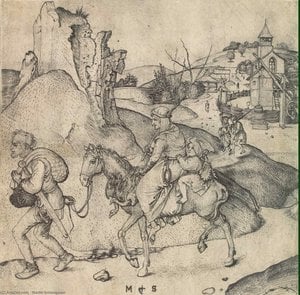
To gaze upon this exquisite engraving is to step into a moment suspended between earthly anticipation and divine promise. While the accompanying description speaks of The Fifth Wise Virgin, the physical artifact before us presents a profound meditation on preparedness, rendered with the meticulous grace characteristic of the Northern Renaissance masters. The composition centers around a figure whose serene bearing suggests an inner light, flanked by companions who echo her quiet dignity. It is not merely a depiction; it is a visual sermon etched in black and white, inviting contemplation upon the nature of faith and vigilance.
What immediately arrests the eye is the sheer virtuosity displayed through the medium itself. This work is a testament to the power of printmaking, specifically engraving—a technique demanding both immense technical skill and profound artistic vision. Observe how the artist has manipulated line after line; it is not simply drawing, but an architectural construction of shadow and light. The use of hatching and cross-hatching creates a breathtaking illusion of texture, allowing us to perceive the delicate fall of drapery or the subtle sheen of hair, all achieved without the aid of color. This precision speaks directly to the legacy of artists like Martin Schongauer, whose hand guided these fine tools across the metal plate.
The subject matter, strongly suggesting the parable of the wise virgins, imbues every element with symbolic weight. The candles held aloft are more than mere props; they are potent symbols of faith, enlightenment, and readiness for a calling that transcends the mundane. The monochromatic palette forces the viewer to look beyond superficial color and instead focus on form, gesture, and spiritual resonance. The light emanating from these sources—though rendered in ink—feels palpable, suggesting guidance piercing through the deepest shadows of uncertainty.
Dating this piece to the late 15th century places it at a fascinating crossroads in art history, where the rich traditions of Italian Renaissance theory began to merge with the intense realism and minute detail favored by the Northern schools. The elegance of the posture, the balanced symmetry, and the narrative depth all speak to an era grappling with profound theological questions through increasingly sophisticated artistic language. For the modern collector or designer, this piece offers a connection not just to a historical period, but to a timeless human quest for meaning.
To reproduce such a work is to bring its quiet power into contemporary living spaces. Imagine this engraving mounted where natural light can catch the intricate interplay of black and white tones. It serves not only as an object of aesthetic beauty but as a focal point for reflection—a sophisticated piece that whispers tales of devotion, discipline, and enduring illumination. Its detailed narrative quality ensures it remains captivating whether viewed up close by an admirer of printmaking or from across a grand hall.

マルティン・ショーンガウアーは、1450年頃にアルザス地方のコルマール(現在のフランス)で生まれました。彼は北方ルネサンス期の版画発展において重要な役割を果たしました。彼の父、カスパル・ショーンガウアーは、1440年頃にドイツのアウクスブルクからコルマールに移り住んだ金細工師でした。この家系の背景が、マルティンの初期の芸術的訓練に大きく影響を与えました。なぜなら、金細工は精密なディテールと金属加工技術の確かな基礎を提供し、それらのスキルは直接的に銅版画に応用可能だったからです。
1465年、ショーンガウアーは短期間ライプツィヒ大学に通いましたが、すぐに学問を捨てて完全に芸術に専念しました。彼は当初、初期ネーデルラント絵画、特にロヒール・ファン・デル・ウェイデンの作品の影響を受けた地元の巨匠カスパル・イゼンマンのもとで画家として訓練を受けました。この初期のネーデルラント写実主義への接触とディテールへの注意は、ショーンガウアー自身のスタイルを特徴づけるものとなりました。
ショーンガウアーの芸術的様式は、明確で整理されたゴシック美学と、北方ルネサンスの新興の影響が融合したものです。彼は直接的なイタリアの影響を受けませんでしたが、代わりにドイツと初期ネーデルラントの伝統からインスピレーションを得ました。彼の作品は、細心の注意を払ったディテール、表現力豊かな人物描写、そして洗練された構成への深い理解を示しています。
ショーンガウアーは、彼のモノグラムが刻印された116枚の銅版画で最もよく知られています。これらの版画はヨーロッパ全土に広く普及し、版画技術と芸術様式の発展に大きな影響を与えました。彼の版画はしばしば宗教的な場面、肖像画、そして寓意的な主題を描いています。
マルティン・ショーンガウアーは、美術界に多大な影響を与えました。彼は国際的に認められた最初期のドイツ人アーティストの一人でした。彼の版画は高く評価され広く模倣され、彼の芸術様式をヨーロッパ中に広めました。ミケランジェロ自身がショーンガウアーの銅版画の一つ、『聖アントニウスの試練』を研究し、コピーしたという記録もあります。これは、後世の巨匠たちがショーンガウアーを高く評価していたことを示しています。
ショーンガウアーの作品は、ゴシック美術とルネサンス美術の橋渡しとなり、アルブレヒト・デューラーのようなアーティストへの道を開きました。彼の革新的な銅版画技術の使用と芸術的ディテールへの献身は、版画史と北ヨーロッパ美術に永続的な遺産を残しました。
マルティン・ショーンガウアーは1491年2月2日にブライスハで亡くなりました。彼は、その芸術的価値と歴史的重要性のために、今日でも称賛され続けています。

1450 - 1491 , ドイツ

Explore the dramatic evolution of Northern Mannerism. Discover how masters like Bosch and Grünewald transitioned from Renaissance harmony to profound, elegant distortion through an expert analysis of symbolism, emotional intensity, and artistic innovation.

Explore the intricate beauty of Northern Renaissance art. Discover the revolutionary oil techniques, profound symbolism, and microscopic realism of the Franco-Flemish masters in this expert guide for classical art enthusiasts.

Explore the profound mastery of engraving and intaglio printmaking. Delve into the rich history, technical precision of the burin, and the enduring legacy of fine art techniques that shaped the world's most iconic masterpieces.


 プレビュー
プレビュー
 シェアする
シェアする シェアする
シェアする
 詳細を見る
詳細を見る

 ダウンロード
 似ている作品
 X線調査
X線調査 スライドショー
 統計情報
統計情報 詳細を見る
詳細を見る









 ガラスオプションは、110cm未満のサイズでのみご利用いただけます。