

このページに掲載されている作品は著作権法によって保護されており、当社の許可なく同一の複製物を制作または販売することは法律で禁じられています。この保護は、以下のような国際条約に基づき執行されます。 ベルヌ条約 および、以下の条項に定められたものを含む各国の法律により、 米国著作権法 第17編。
この手法は、著作権で保護された作品の複製や複写を伴わないため、著作権法に完全に準拠しています。これは単なる模倣ではなく、創造的な再解釈です。元の作品からインスピレーションを受けつつも、それとは異なる、全く新しい絵画を生み出すものです。
スピーディーな制作と多彩な仕上げオプションが魅力の、ミュージアムクオリティなジークレー・キャンバスプリント。 ( 手描きの複製画を注文する デジタル画像販売へ切り替え)





























作品のオリジナル比率に合わせた、当店の規定サイズからお選びください。

額縁や壁のスペースに合わせて、ご希望の幅と高さを入力してください。プリントはカットすることは可能ですが、元の画像より大きくすることはできないため、異なる比率のサイズを選択された場合は、画像の一部が欠けることになります。印刷を開始する前に、内容を確認していただくためのデジタルモックアップをお送りいたします。このページに表示されている画像は、実際のカット後の状態を示すものではありません。実際の仕上がりはモックアップにてご確認ください。
Skulls
複製画サイズ一覧
Marlene Dumas’s paintings are instantly recognizable for their stark simplicity—often consisting of just a few figures rendered in muted tones against sparsely populated backgrounds. Yet, beneath this deceptively calm surface lies an unsettling exploration of human vulnerability and the inescapable presence of death. Born in Cape Town, South Africa, in 1953, Dumas’s artistic vision has been profoundly shaped by her upbringing amidst the turbulent legacy of apartheid, fostering a deep sensitivity to social injustice and the complexities inherent in defining identity.
Her formative years on her father’s vineyard instilled within her an acute awareness of the divisions that characterized South African society—a landscape simultaneously beautiful and scarred by history. This early exposure fueled her artistic impulse to grapple with themes of race, sexuality, and the psychological burden of existence. Dumas honed her skills at the University of Cape Town before relocating to Amsterdam, where she pursued studies in painting and psychology concurrently.
Dumas’s distinctive technique—characterized by loose brushstrokes, dripping paint, and a deliberate rejection of meticulous detail—serves as a conduit for conveying profound emotional resonance. She draws inspiration from a private archive of photographs, meticulously curated to encompass subjects ranging from children to erotic nudes, corpses, torture victims, and terrorists. This selection reflects her unwavering commitment to confronting uncomfortable truths about human experience and challenging conventional perceptions.
The recurring motif of skulls—a symbol of mortality and contemplation—dominates her oeuvre, prompting viewers to confront existential questions about life's fragility and impermanence. Dumas’s paintings don’t merely depict death; they invite us to consider it as an integral component of the human condition. Her aim isn’t to showcase gruesome imagery but rather to reveal underlying anxieties and vulnerabilities—to illuminate the profound psychological dimensions of confronting mortality.
Her artistic process deliberately disrupts photographic sources, reclaiming corporeality within the visual realm. The resulting images evoke a palpable sense of unease alongside empathy, prompting reflection on issues of gender, race, and ethnicity. Dumas’s paintings stand as powerful testimonies to the enduring capacity for art to provoke dialogue and challenge ingrained biases—a legacy rooted in her formative experiences amidst South Africa's turbulent past.
Consider commissioning a high-quality reproduction from WahooArt.com to bring Dumas’s evocative imagery into your home or studio, allowing you to appreciate the subtle nuances of her masterful technique and profound artistic vision.
Contemporary Realismの作品「Skulls」は、南アフリカ出身のアーティストによって制作されました。
マルレーン・デュマス作「Skulls」の色彩表現:Putty (#d1d2cd)を基調とした、Neutralsなパレット。
「Skulls」は、Contemporary Realism様式によるMixed Mediaで制作されています。


1953 - , 南アフリカ
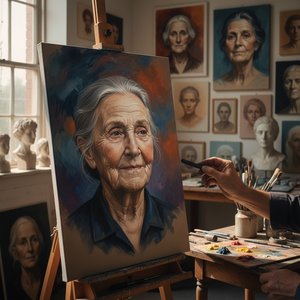
Explore the profound psychological depth of emotional portraiture. From Expressionist masterpieces to custom oil commissions, discover how fine art captures the human soul through light, color, and masterful technique for discerning collectors.

Discover the vibrant world of acrylic on canvas. Our expert guide explores the technical versatility, rich textures, and enduring beauty of modern acrylic masterpieces, offering essential insights for discerning art collectors seeking quality and longevity.

Elevate your artistry with our expert guide to acrylic on paper. Master advanced techniques in texture, color theory, and layering to create professional-grade modern masterpieces. Perfect for art students seeking technical depth and creative excellence.

Unlock your creative potential with this expert guide for art students. Master acrylic painting techniques, from fluid washes to textured impasto. Learn about essential brushes, surfaces, and advanced color theory to elevate your fine arts practice with professional precision.
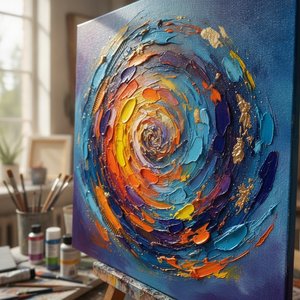
Discover the exquisite world of acrylic on canvas. From textured impasto to vibrant modern hues, explore how WahooArt's master artists create premium, hand-painted reproductions and bespoke commissions for discerning collectors and luxury interiors.

 設置イメージを確認
 送る
送る シェア
シェア
 詳細情報
詳細情報 ガイドを表示

 画像をダウンロード
 似ている作品
 X線調査
X線調査 スライドショー
 Q&A
Q&A 統計情報
統計情報


 続きを読む
続きを読む









 ガラスオプションは、110cm未満のサイズでのみご利用いただけます。


