

このページに掲載されている作品は著作権法によって保護されており、当社の許可なく同一の複製物を制作または販売することは法律で禁じられています。この保護は、以下のような国際条約に基づき執行されます。 ベルヌ条約 および、以下の条項に定められたものを含む各国の法律により、 米国著作権法 第17編。
この手法は、著作権で保護された作品の複製や複写を伴わないため、著作権法に完全に準拠しています。これは単なる模倣ではなく、創造的な再解釈です。元の作品からインスピレーションを受けつつも、それとは異なる、全く新しい絵画を生み出すものです。
スピーディーな制作と多彩な仕上げオプションが魅力の、ミュージアムクオリティなジークレー・キャンバスプリント。 ( 手描きの複製画を注文する デジタル画像販売へ切り替え)





























作品のオリジナル比率に合わせた、当店の規定サイズからお選びください。

額縁や壁のスペースに合わせて、ご希望の幅と高さを入力してください。プリントはカットすることは可能ですが、元の画像より大きくすることはできないため、異なる比率のサイズを選択された場合は、画像の一部が欠けることになります。印刷を開始する前に、内容を確認していただくためのデジタルモックアップをお送りいたします。このページに表示されている画像は、実際のカット後の状態を示すものではありません。実際の仕上がりはモックアップにてご確認ください。
Untitled 36
複製画サイズ一覧
To stand before Mark Rothko’s Untitled 36 is to enter into a profound, silent dialogue with the infinite. This monumental work, a cornerstone of American Abstract Expressionism, transcends the boundaries of mere pigment on canvas to become a sanctuary of pure emotion. Captured in a striking and commanding crimson hue, the painting does not simply exist in space; it breathes, inviting the viewer to lose themselves within its chromatic depths. While many approach abstraction as a puzzle to be solved, Rothko’s masterpiece demands a different kind of engagement—one of surrender. It is an invitation to move past the intellect and allow the heavy, luminous weight of color to stir the soul, evoking a sense of awe that is both unsettling and deeply comforting.
The composition of Untitled 36 is a masterclass in balanced complexity. At first glance, the eye is met with the overwhelming presence of layered rectangular blocks of color, a hallmark of Rothko’s mature style. Yet, upon closer inspection, a subtle layer of organic life emerges to anchor the geometric abstraction. The strategic placement of avian figures—birds positioned near the upper right corner and toward the center—introduces a delicate tension between the eternal and the ephemeral. These small, feathered silhouettes serve as visual guides, leading the gaze across the vast, velvety expanse of red. This interplay between the structured geometry of the color fields and the spontaneous presence of nature creates a narrative of existence, where the cosmic meets the terrestrial.
The mesmerizing quality of this piece lies in Rothko’s painstaking technical mastery. Eschewing the aggressive, visible brushstrokes common in much of the Abstract Expressionist movement, Rothko utilized a method of applying thin, translucent washes of oil pigment over textured surfaces. This technique creates an ethereal, almost glowing effect, as if the light is not reflecting off the surface but is emanating from within the canvas itself. The resulting texture is soft and diffused, absorbing light rather than rejecting it, which lends the work its signature velvety depth. For the collector or interior designer, this quality makes the painting a transformative element in any space; it possesses the unique ability to alter the very atmosphere of a room, casting a contemplative and sophisticated glow.
Historically, Untitled 36 emerged from the turbulent artistic landscape of the late 1940s and early 1950s. As Rothko sought to liberate art from the constraints of representational reality, he turned inward, using color as a language for the human condition. His work was a reaction against the formalisms of the past, aiming instead to capture the universal experiences of grief, ecstasy, and mortality. When bringing a high-quality reproduction of this piece into a modern interior, one is not merely adding decoration, but integrating a piece of art history that speaks to the profound complexities of human feeling. It remains an enduring icon for those who seek beauty that is as intellectually stimulating as it is visually breathtaking.
マーク・ロスコ作「Untitled 36」のデジタルファイルをご希望の場合は、デジタル画像ページより高解像度デジタル画像のダウンロードをご注文ください。
マーク・ロスコ作「Untitled 36」の手描き複製画は、当サイトの手描き油彩複製画ページよりリネンキャンバスに手描きされた油彩複製画にてご購入いただけます。
「Untitled 36」の形式はLandscapeです。これは、複製画を飾る場所を検討する際に役立ちます。

1903年、ラトビアのダウガフピルスでマルクス・ヤコヴレヴィチ・ロトコヴィッチとして生まれたマーク・ロスコは、その生涯を色彩という言葉で人間の存在と感情の深淵を探求することに捧げた。幼少期から政治不安や迫害に晒されたユダヤ人家庭環境は、彼の中に深い感受性と苦悩の種を植え付けた。1913年のアメリカへの移民は、新たな文化との出会いをもたらす一方で、故郷との断絶という喪失感も与えた。ポートランドでの生活を経てニューヨークへ移り、当初は都市風景や人物を描いていたロスコだが、第二次世界大戦の激動期を迎え、その芸術は劇的な変貌を遂げる。
シュルレアリスムの影響を受けながら、ロスコは象徴的な形を通して普遍的な人間の感情を表現しようと試みた。1940年代後半には、彼の画業における転換点となる、純粋な色彩領域による作品群が誕生する。それらは単なる色の配置ではなく、深遠な精神性を帯びた、瞑想的な空間へと誘う力を持っていた。次第に、ロスコは具象表現から完全に脱却し、巨大なキャンバス上に不規則な矩形の色面を配置することで、見る者を圧倒的な色彩の海へと引き込むような作品を生み出した。このスタイルこそが、後のカラーフィールド絵画と呼ばれるものであり、抽象表現主義運動における重要な位置を占める。
ロスコの成熟期作品は、色彩そのものが感情と直接的に結びつくという信念に基づいている。彼は、色の微妙なニュアンスや重ね合わせによって、喜び、悲しみ、絶望、希望といった人間の複雑な感情を表現しようとした。彼の絵画は、しばしば静寂の中に潜む激しいエネルギーを感じさせる。それは、色彩が互いに共鳴し合い、まるで音楽のように響き渡るかのような感覚である。ロスコは、作品にタイトルを与えることを避け、「No. 1」や「No. 6」といった番号のみを付与することで、鑑賞者が先入観なしに作品と向き合い、自身の感情を通して作品の意味を受け止めることを望んだ。
セagram美術館の壁画プロジェクトは、ロスコにとって重要な出来事であった。しかし、彼の作品が単なる装飾品として扱われることへの嫌悪感から、依頼を断り、これらの作品を Tate Gallery に寄贈した。この行為は、彼が芸術を商業主義から切り離し、純粋な精神的価値を守ろうとした姿勢を示すものだった。そして、ヒューストンにあるロスコ礼拝堂は、彼の芸術的探求の集大成と言えるだろう。14枚の絵画が配置されたこの聖域は、静寂と瞑想の中で、人間の魂を深く揺さぶる体験を提供する。
マーク・ロスコの死後も、彼の作品は世界中の人々に深い感銘を与え続けている。彼の芸術は、ミニマリズムや現代絵画に多大な影響を与え、色彩を通して感情を表現する可能性を広げた。ロスコの作品は、単なる視覚的な体験を超え、鑑賞者の内面へと深く入り込み、自己と向き合い、存在の意味を探求することを促す力を持っている。彼の遺産は、抽象表現主義という芸術史上の重要な潮流を代表するだけでなく、人間の感情と精神性を探求する普遍的な芸術の力を体現していると言えるだろう。
ロスコの作品群は、色彩が持つ無限の可能性を示し、私たちに心の奥底にある感情と向き合う勇気を与えてくれる。それは、言葉では表現できない、人間の魂の叫びであり、永遠に人々の心に響き続けるであろう。

1903 - 1970 , ラトビア
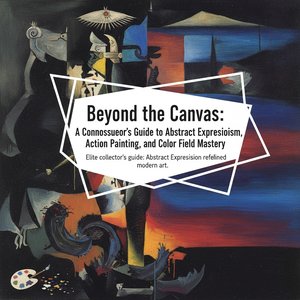
Unveil the visceral power of Abstract Expressionism. Our expert exploration delves into the transformative legacies of Pollock, Rothko, and De Kooning, offering discerning collectors a profound understanding of the New York School’s enduring mastery and historical impact.

 設置イメージを確認
 送る
送る シェア
シェア
 詳細情報
詳細情報 ガイドを表示

 画像をダウンロード
 似ている作品
 X線調査
X線調査 スライドショー
 統計情報
統計情報

 続きを読む
続きを読む









 ガラスオプションは、110cm未満のサイズでのみご利用いただけます。


