ウェブ上のプレビューを遥かに凌駕する、印刷に最適なファイルをご提供します。当サイトで販売しているすべてのデジタル画像は、弊社のデータベース内にある高解像度のマスターデータ(通常、幅5,000〜15,000ピクセル)から作成されています。そのため、大判印刷やタイトなクロップ、細部まで緻密な再現も、安心してお楽しみいただけます。
当スタジオから送り出される画像は、すべて丁寧に加工されています。デジタルエキスパートが原画と照らし合わせて色調を精査し、必要に応じて補正を行った上で、プロ仕様のリタッチツールを用いて鮮明さと細部を向上させます。その際、アーティストの筆致やスタイルに忠実であることを常に追求しています。その結果、単なるスキャン画像にフィルターをかけたようなものではなく、まるで本物の絵画を見ているかのような仕上がりを実現しています。
仕上がりをご確認いただいてから完了となります。専門スタッフが、ご確認用の画像を72時間以内にメールでお送りいたします。もしご満足いただけない場合は、修正や改善のご要望を承るほか、品質が基準に満たない場合には返金も可能です。
出版社、デザインスタジオ、ギャラリー、そして印刷所から信頼される品質です。
個人での鑑賞、印刷、クリエイティブなプロジェクトにご利用いただける高解像度ファイルをダウンロードできます。 ( プリント版に切り替え 手描きの複製画を注文する)
WahooArt.com を選ぶことは、単に画像を手に入れることではありません。プロの手によって精密に仕上げられ、満足保証が付いた高品質なデジタルアートワークを受け取ることを意味します。ご注文いただいた際に自動的に付随する内容は、以下の通りです:
ご注文から72時間以内に、高解像度のデジタル画像ファイルをメールでお送りいたします。お手元に届き次第、すぐにご利用いただけます。
お客様の作品は、高度なAI技術と専門家による手作業を組み合わせてプロフェッショナルに最適化されており、細部のディテール、鮮明さ、そして正確な色再現性を最大限に引き出しています。
ファイルを誤って削除したり、紛失してしまったりしましたか?ご安心ください。いつでも無料で再送いたします。
関税や手数料、配送料を気にすることなく、お気に入りのアートワークをすぐにお楽しみいただけます。デジタルダウンロードは常に免税です。
プロ仕様のツールとカラーマネジメント技術を用いることで、デジタル画像が元の色を最大限に忠実に再現することを保証いたします。
ご購入いただいたデジタル画像にご満足いただけない場合は、100日以内であれば、理由を問わず修正または100%の返金対応をさせていただきます。
ご満足いただけない場合は、デジタルファイルを受け取ってから100日以内であれば、理由を問わず全額返金いたします。
3枚購入で10%OFF、5枚購入で15%OFF、10枚以上のご購入で20%OFF。クリエイティブなプロジェクトやギャラリー、エージェンシーに最適です。
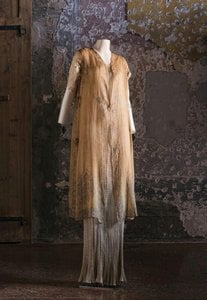
Mariano Fortuny y Madrazo (1871-1949), the Spanish artist and designer born in Venice, remains a figure of profound mystery and captivating beauty. More than simply a painter or textile innovator, he was a master orchestrator of sensation – a creator who seamlessly blended Orientalist dreams with European elegance, theatrical spectacle with intimate design. His legacy isn’t confined to a single style; it's woven into the very fabric of his creations, most famously embodied in pieces like this exquisite tunic, a testament to his revolutionary approach to color, texture, and light.
Fortuny’s artistic journey began not in Spain, but amidst the vibrant canals and artistic circles of Venice. His father, Mariano Fortuny y Marsal, a celebrated genre painter who tragically died when Mariano was just three years old, instilled in him a deep appreciation for visual storytelling and the power of capturing fleeting moments. This early exposure shaped his own approach – he wasn’t merely depicting reality; he was constructing an atmosphere, a mood, a carefully curated experience for the viewer. His work frequently draws upon the exoticism of the East, particularly Morocco, reflecting a fascination with its rich culture, vibrant colors, and intricate patterns, which he then reinterpreted through a distinctly European lens.
This particular tunic exemplifies Fortuny’s groundbreaking techniques. Crafted from Marocain silk crepe – a luxurious fabric known for its subtle sheen and ability to hold dye with remarkable intensity – it showcases his mastery of layering and manipulation. The design itself is a marvel of intricate stamping, a process he perfected over decades, allowing him to create incredibly detailed patterns directly onto the fabric without the need for traditional printing methods. This technique, combined with hand-painted embellishments, resulted in a surface that appears both meticulously planned and intuitively organic.
Notice the subtle variations in color – the deep blues and greens of the background, punctuated by delicate ivory accents. Fortuny’s use of color wasn't arbitrary; he understood its psychological impact, employing muted tones to evoke a sense of serenity and mystery while strategically placed highlights drew the eye to key elements within the design. The fabric itself is treated with a special finish that gives it a unique tactile quality – a slight sheen combined with a subtle matte effect, creating an illusion of depth and movement.
The tunic’s design isn't merely decorative; it’s laden with symbolic meaning. The geometric patterns—squares, rectangles, and stylized floral motifs—echo the aesthetic principles of ancient civilizations, particularly Egypt and Greece. Fortuny was deeply influenced by antiquities, collecting fragments of Roman mosaics and Egyptian textiles that informed his artistic vision. The arrangement of these shapes suggests a deliberate attempt to evoke a sense of timelessness, connecting the viewer to a distant past.
Furthermore, the tunic’s overall composition—the interplay of light and shadow, the carefully balanced proportions—recalls the principles of theatrical design, a field in which Fortuny made his most significant contributions. He revolutionized stage lighting with his “fortuny cyclorama dome,” a device that used reflected light to create seamless transitions between scenes, transforming the theater into a truly immersive experience. This same meticulous attention to detail and dramatic effect is evident in this tunic, suggesting a deliberate intention to transport the wearer – and the viewer—to another world.
Mariano Fortuny's work continues to resonate today, not only for its exquisite beauty but also for its innovative techniques and profound artistic vision. His influence can be seen in the work of countless designers, from Elsa Schiaparelli to Yves Saint Laurent. The “Delphos” gown, a signature piece of his oeuvre, remains an iconic symbol of elegance and sophistication. Reproductions of Fortuny’s textiles are highly sought after by collectors and interior designers alike, who appreciate their timeless appeal and the unique atmosphere they create. This tunic, in particular, stands as a powerful reminder of the artist's genius – a testament to his ability to transform simple materials into objects of extraordinary beauty and enduring significance.


1871 - 1949 , スペイン


 送る
送る シェア
シェア
 詳細情報
詳細情報 ガイドを表示

 画像をダウンロード
 似ている作品
 スライドショー
 Q&A
Q&A 統計情報
統計情報


 続きを読む
続きを読む