

 Acrylic On CanvasWallArtProto-Cubism
 1911Modern
 146.0 x 114.0 cm
このページに掲載されている作品は著作権法によって保護されており、当社の許可なく同一の複製物を制作または販売することは法律で禁じられています。この保護は、以下のような国際条約に基づき執行されます。 ベルヌ条約 および、以下の条項に定められたものを含む各国の法律により、 米国著作権法 第17編。
敬意を払った法的な代替手段として、私たちはオリジナルにインスピレーションを与えられた、カスタムの手描きアートワークを提供しています。私たちの熟練したプロのアーティストは、元の作品が持つスタイル、情緒、そして芸術的なエッセンスを注意深く研究し、独自の創作物でありながら、同じ感性を呼び起こすような、新しくユニークな作品を作り上げます。
この手法は、著作権で保護された作品の複製や複写を伴わないため、著作権法に完全に準拠しています。これは単なる模倣ではなく、創造的な再解釈です。元の作品からインスピレーションを受けつつも、それとは異なる、全く新しい絵画を生み出すものです。
当社のアーティストが、お客様のご希望のサイズと額縁に合わせて、キャンバスに手描きで制作する油彩画です。 ( プリント版に切り替え デジタル画像販売へ切り替え)





























作品のオリジナル比率に合わせた、当店の規定サイズからお選びください。

フレームや壁のスペースに合わせて、ご希望の幅と高さを入力してください。本作品は手描きのため、異なる比率のサイズをご希望の場合、絵画の周囲を少し広げて描くか、あるいは端を少しカットして調整することが可能です。お客様のご要望に合わせます。制作を開始する前に、仕上がりを確認するためのデジタルモックアップをお送りいたします。このページに表示されている画像は完成品の実物ではなく、あくまでモックアップによるイメージです。
Portrait (Dulcinea)
複製画サイズ一覧
Marcel Duchamp's “Portrait (Dulcinea),” completed in 1911, stands as a cornerstone of Proto-Cubism and embodies the artist’s audacious challenge to conventional artistic representation. More than just a depiction of a woman—a figure glimpsed fleetingly on Parisian streets—it’s an exploration of time, movement, and the very essence of perception itself. Duchamp's decision to elevate an ordinary porcelain urinal to the status of art cemented his legacy as one of the most influential figures in modern art.
Born Henri Robert Marcel Duchamp in 1887, Duchamp initially pursued formal training, mastering traditional techniques before rejecting them altogether. He recognized that true innovation lay not in replicating reality but in interrogating its underlying structure. “Portrait (Dulcinea)” exemplifies this approach, drawing heavily from Étienne-Jules Marey’s and Eadweard Muybridge’s pioneering chronophotography experiments—a technique aimed at capturing movement—and translating it into a visual language. The painting abandons single viewpoint perspective, presenting five women simultaneously in successive positions, each subtly shifting attire as if stripped over time.
Measuring 146 x 114 cm, the canvas is dominated by five women arranged in a dynamic tableau. Each figure possesses distinct characteristics—long hair flowing down her back, short hair, and varied poses—reflecting Duchamp’s meticulous observation of the human form. The artist skillfully employs geometric shapes to fragment the figures, mirroring the Cubist preoccupation with dissecting objects into constituent parts. The limited color palette – earthy tones – reinforces this sense of austerity and contributes to the painting's contemplative mood.
“Portrait (Dulcinea)” transcends mere visual representation; it operates on a symbolic level, hinting at Duchamp’s fascination with concepts like time and transformation. The gradual diminution of clothing across the five women symbolizes a process of unveiling—a stripping away of superficial layers to reveal an underlying essence. This deliberate gesture aligns with Duchamp's broader artistic philosophy, questioning accepted notions of beauty and challenging viewers to reconsider their understanding of art.
Duchamp’s groundbreaking vision profoundly impacted subsequent artists, including Joseph Cornell, Baroness Elsa von Freytag-Loringhoven, and Andy Warhol. His playful self-representation—particularly his depiction of Dulcinea—inspired countless likenesses by other creatives, securing his place as a pivotal figure in the history of art. “Portrait (Dulcinea)” foreshadows Duchamp’s monumental *Nude Descending a Staircase, No. 2* and *The Large Glass*, demonstrating his unwavering commitment to pushing artistic boundaries.
Currently housed at the Philadelphia Museum of Art, this remarkable artwork continues to inspire debate and admiration, cementing Duchamp's enduring legacy as an artist who fundamentally reshaped the landscape of modern art.
マルセル・デュシャン作「Portrait (Dulcinea)」には、Ochre to Sepiaの色調が全体に広がっています。
マルセル・デュシャンは、マルセル・デュシャンプ, アンリ=ロベール=マルセル・デュシャンという別名でも知られています。
「Portrait (Dulcinea)」に似た作品は、作品の似ている作品ページに掲載されています。


1887 - 1968 , フランス
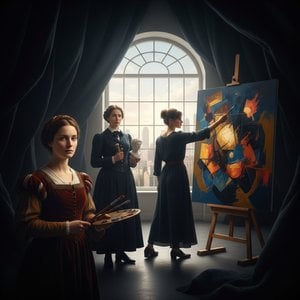
美術史の影に隠されてきた女性アーティストたちの真の才能と情熱を再発見しませんか?メアリー・カサットやフリーダ・カーロなど、時代に抗い名画を残した先駆者たちの足跡を辿ります。WahooArtは、世界中の傑作を高品質な油彩複製画としてお届けするアートの専門家です。歴史的な文脈とともに、彼女たちが現代のアートシーンに与えた深い影響と、美しき再発見の旅へと皆様をご案内します。

Embark on a journey through the revolutionary world of Cubism. Discover how masters like Picasso redefined perspective through Analytical and Synthetic techniques in this expert-led guide for art enthusiasts and collectors.

Explore the profound evolution of Cubism through an expert analysis of Pablo Picasso's revolutionary works. From Analytical to Synthetic Cubism, discover the techniques that redefined modern art and learn how to curate these iconic masterpieces for your private collection.

 設置イメージを確認
 送る
送る シェア
シェア
 詳細情報
詳細情報 ガイドを表示

 画像をダウンロード
 似ている作品
 X線調査
X線調査 スライドショー
 統計情報
統計情報 続きを読む
続きを読む









 ガラスオプションは、110cm未満のサイズでのみご利用いただけます。


