


 Acrylic On CanvasWallArtNaive Primitivism
 1915Early Medieval
 100.0 x 80.0 cm




























作品のオリジナル比率に合わせた、当店の規定サイズからお選びください。

特定のフレームやスペースに合わせて、ご希望のサイズをご入力いただけます。選択されたサイズが元の画像の比率と異なる場合、アートワークをトリミングするか、手描きで要素を追加して絵画を拡張いたします。デジタルモックアップ を制作し、制作開始前にご確認(承認)をいただきます。
画面上のプレビューは、実際のトリミングや拡張を正確に反映しているものではありません。最終的な構図は、モックアップによってのみ正確にご確認いただけます。
カスタムサイズもご利用いただけますが、元の比率を維持するためには、あらかじめ用意されたリストからサイズを選択することをお勧めいたします。

Window in the Country
複製画のサイズ
Marc Chagall's "Window in the Country," painted in 1915, isn’t merely a depiction of a landscape; it’s an immersion into a dreamscape—a vibrant, emotionally charged memory rendered with the unrestrained joy and idiosyncratic vision that defined the artist. This work, executed during a pivotal moment in Chagall's life – his marriage to Bella Rosenfeld – captures not just a view from a kitchen window near Vitebsk, but also the profound sense of happiness and connection he felt within that idyllic setting. The painting immediately draws the viewer in with its explosion of color, a hallmark of Chagall’s Naïve Art style, where formal conventions are deliberately abandoned in favor of direct emotional expression.

“Window in the Country” is a quintessential example of Naïve Art (also known as Primitivism), a movement that flourished at the beginning of the 20th century. Rejecting academic traditions, artists like Chagall sought to capture the essence of their subjects with an unmediated directness, often drawing inspiration from folk art and childhood memories. Notice how figures are simplified, lines are bold and expressive, and perspective is flattened—a deliberate choice that amplifies the painting’s emotional impact rather than striving for photographic realism. The lack of meticulous detail isn't a flaw; it’s precisely what imbues the scene with its dreamlike quality.
The painting’s genesis lies in a specific moment—Chagall and Bella's summer sojourn to a country house near Vitebsk in July 1915. This idyllic retreat, captured through the humble window of a kitchen, became a potent symbol for Chagall, representing a return to his roots and a celebration of love. The presence of two figures – subtly suggested on either side of the window – hints at intimacy and companionship, while the objects within the room—a cup, bowl, and apples—suggest a simple, contented domesticity. The inclusion of these everyday items elevates them to symbolic importance, representing the joys of rural life and the beauty of human connection.
Beyond its picturesque subject matter, “Window in the Country” is rich with symbolism. The billowing white curtain acts as a veil, separating the viewer from the scene while simultaneously inviting us to step into Chagall’s world. The apples, often associated with fertility and abundance, further reinforce this sense of prosperity and happiness. The painting's overall mood is one of serene joy—a testament to Chagall’s ability to transform ordinary moments into extraordinary works of art. It’s a poignant reminder of the power of memory, love, and the beauty found in simple pleasures – themes that resonate deeply within Chagall’s oeuvre and continue to captivate audiences today.


1887 - 1985 , ベラルーシ

Discover the enchanting world of Naive Art. Explore the profound beauty of self-taught masters like Henri Rousseau through an art-history lens, uncovering how simple forms and vibrant colors create timeless, soulful masterpieces for the discerning collector.

Explore the profound impact of Primitivism on modern art. Delve into how masters like Gauguin and Picasso utilized raw emotion and non-Western aesthetics to redefine artistic form, breaking from academic tradition to shape the course of 20th-century expressionism.

Discover the profound beauty of folk art through a cultural lens. Explore how naive masterpieces and vibrant global traditions preserve heritage, offering timeless inspiration for collectors and art enthusiasts seeking authenticity and soul in every brushstroke.

Delve into the vibrant world of Paul Gauguin. Explore his revolutionary use of color, Tahitian symbolism, and the profound impact of tropical primitivism on Post-Impressionism through an expert art-historical lens.
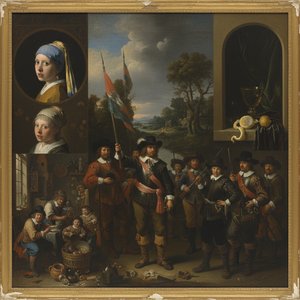
Explore the dramatic beauty of 17th-century masterpieces. From Baroque chiaroscuro to intimate genre scenes, discover how historical art captures the essence of life through expert curation and museum-quality reproductions for discerning collectors.


 プレビュー
プレビュー
 プリントを購入
 シェアする
シェアする シェアする
シェアする
 詳細を見る
詳細を見る

 ダウンロード
 似ている作品
 X線調査
X線調査 スライドショー
 詳細を見る
詳細を見る









 ガラスオプションは、110cm未満のサイズでのみご利用いただけます。


