
x


迅速な制作と多彩な仕上げオプションを備えた、ミュージアムクオリティのジークレーまたはキャンバスプリント。 ( 手描きの絵画を購入 画像を購入)





























作品のオリジナル比率に合わせた、当店の規定サイズからお選びください。

特定のフレームやスペースに合わせて、ご自身でサイズを指定することも可能です。選択されたサイズが元の画像の比率と一致しない場合、作品をトリミングするか、鏡面反射または単色での塗りつぶしによって画像を拡張いたします。制作を開始する前に、ご確認用のデジタルモックアップをお送りいたします。
画面上のプレビューには、実際のトリミングや拡張は反映されませんのでご注意ください。最終的な構図を正確に確認できるのは、モックアップのみとなります。
カスタムサイズも承っておりますが、元の比率を維持するためには、あらかじめ用意されたリストからサイズを選択することをお勧めいたします。

Tchitchikov's dreams
複製画のサイズ
Marc Chagall's “Tchitchikov’s Dreams,” painted circa 1923, isn’t merely a depiction of a scene; it’s an immersion into the artist’s intensely personal and profoundly imaginative world. Born Moishe Shagal in Belarus, Chagall carried within him the vibrant folklore of his Jewish upbringing – a tapestry woven with religious symbolism, fantastical creatures, and a deep-seated belief in the power of dreams. This particular work, created during a period of significant artistic evolution for Chagall, embodies this spirit perfectly, offering a glimpse into a subconscious realm rendered with characteristic boldness and emotional resonance.
The painting immediately captivates with its dreamlike quality – a monochrome study dominated by shades of gray and black against a stark white background. This restricted palette amplifies the sketch-like feel, lending an immediacy and raw energy to the composition. Lines are not precise or realistic; instead, they’re loose, expressive, and deliberately curved, contributing significantly to the overall sense of movement and instability. The absence of a clear horizon line further enhances this feeling of suspension, as if the scene exists outside conventional spatial constraints – a hallmark of Chagall's style.
At first glance, “Tchitchikov’s Dreams” appears chaotic, yet within that apparent disorder lies a carefully constructed narrative. A prominent carriage, pulled by what resemble fantastical horses or perhaps even winged creatures, dominates the central space. Figures – some riding, others emerging from the landscape – are scattered throughout, adding to the sense of an unfolding story. Crescent moon shapes float serenely in the upper portion of the frame, echoing the dreamlike atmosphere and hinting at themes of mystery and spirituality. The painting draws inspiration from folklore and literary narratives, possibly referencing Gogol’s “Dead Souls,” a work that deeply influenced Chagall's artistic vision during this period.
The composition isn’t about realistic representation; it’s about conveying feeling and suggestion. Chagall masterfully utilizes overlapping shapes – the angular carriage juxtaposed against the organic curves of the landscape – to create depth and visual interest without relying on traditional perspective. The figures are rendered with simplified forms, emphasizing their emotional state rather than their individual details.
The recurring motif of crescent moons is particularly potent in “Tchitchikov’s Dreams.” Throughout his work, Chagall frequently employed this symbol to represent dreams, the subconscious, and a connection to something beyond the tangible world. The carriage itself can be interpreted as a vehicle for transformation – a journey through the landscape of the mind. The scattered figures evoke a sense of disorientation and wonder, mirroring the experience of being lost within a dream.
The overall mood is undeniably melancholic yet imbued with a whimsical charm. There’s an underlying feeling of longing or nostalgia, perhaps reflecting Chagall's own experiences as an immigrant navigating new cultures and landscapes. The painting invites viewers to contemplate their own dreams and the mysteries that lie beneath the surface of everyday reality.
“Tchitchikov’s Dreams” exemplifies Chagall’s distinctive artistic style, a potent blend of Cubism, Expressionism, and Symbolism. He employed quick, gestural lines and shading to capture the essence of the scene – prioritizing emotional impact over meticulous detail. The use of hatching and cross-hatching creates tonal variations and suggests depth, adding texture to the otherwise simplified forms. The artwork was likely created using graphite or charcoal on paper, lending it a raw, immediate quality.
This painting stands as a testament to Chagall’s unique vision – a world where reality and fantasy intertwine, where folklore and memory converge, and where the power of dreams reigns supreme. Reproductions offer an accessible way to bring this captivating dreamscape into your home, allowing you to experience the emotional depth and artistic brilliance of one of the 20th century's most beloved artists.


1887 - 1985 , ベラルーシ

Embark on a sophisticated journey through the surrealist movement. Discover how masters like Dalí and Ernst blurred the lines between dreams and reality through innovative techniques, exploring the profound impact of the subconscious on fine art history with expert authority.

Discover the breathtaking allure of Art Deco. Explore the era's iconic geometry, legendary designers like Erté, and timeless glamour. Perfect for discerning collectors seeking to infuse their spaces with sophisticated modernist elegance and historical prestige.
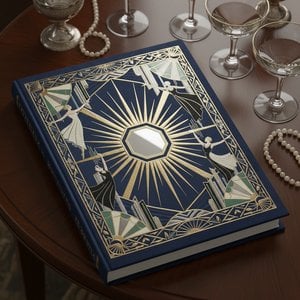
Discover the allure of Art Deco through a curated guide to its most iconic masterpieces. Explore the elegance of Erté and the innovation of Jean Dunand, perfect for collectors seeking timeless glamour and sophisticated design inspiration.


最新の美術ニュース、限定オファー、そしてインテリアのアイデアをいち早くお届けします。
お客様のプロジェクトについてお聞かせください。当社の美術専門家が、お客様に合わせた3つのパーソナライズされた芸術提案をご提供いたします。
あなたにぴったりの3作品を無料で厳選いたします


 プレビュー
プレビュー
 シェアする
シェアする シェアする
シェアする
 詳細を見る
詳細を見る

 ダウンロード
 似ている作品
 X線調査
X線調査 スライドショー

 詳細を見る
詳細を見る









 ガラスオプションは、110cm未満のサイズでのみご利用いただけます。


