

 Acrylic On CanvasWallArtSurrealist Expressionism
 1952
1952 168.0 x 103.0 cm
このページに掲載されている作品は著作権法によって保護されており、当社の許可なく同一の複製物を制作または販売することは法律で禁じられています。この保護は、以下のような国際条約に基づき執行されます。 ベルヌ条約 および、以下の条項に定められたものを含む各国の法律により、 米国著作権法 第17編。
この手法は、著作権で保護された作品の複製や複写を伴わないため、著作権法に完全に準拠しています。これは単なる模倣ではなく、創造的な再解釈です。元の作品からインスピレーションを受けつつも、それとは異なる、全く新しい絵画を生み出すものです。
スピーディーな制作と多彩な仕上げオプションが魅力の、ミュージアムクオリティなジークレー・キャンバスプリント。 ( 手描きの複製画を注文する デジタル画像販売へ切り替え)





























作品のオリジナル比率に合わせた、当店の規定サイズからお選びください。

額縁や壁のスペースに合わせて、ご希望の幅と高さを入力してください。プリントはカットすることは可能ですが、元の画像より大きくすることはできないため、異なる比率のサイズを選択された場合は、画像の一部が欠けることになります。印刷を開始する前に、内容を確認していただくためのデジタルモックアップをお送りいたします。このページに表示されている画像は、実際のカット後の状態を示すものではありません。実際の仕上がりはモックアップにてご確認ください。
Resistance
複製画サイズ一覧
Marc Chagall's "Resistance," painted in 1952, isn’t merely a depiction of a biblical scene; it’s a visceral embodiment of the anxieties and fervent hopes swirling within Europe at the dawn of the Cold War. This monumental canvas, measuring 168 x 103 cm, immediately commands attention with its dramatic red background – a color historically associated with both sacrifice and revolutionary fervor. Chagall, deeply rooted in his Belarusian Jewish heritage, masterfully blends elements of religious iconography with personal memory and surrealist expression to create an image that resonates far beyond the confines of traditional representation.
The heart of the painting is undeniably the central figure: a towering depiction of Jesus Christ on the cross. However, Chagall doesn’t offer a serene or contemplative portrayal. Instead, he presents a Christ undergoing immense suffering, surrounded not by angels or mourners, but by a chaotic and intensely engaged crowd. This isn't a passive witness to sacrifice; it’s an active participation in a moment of profound significance. The sheer number of individuals – at least fourteen – underscores the scale of this event, suggesting a collective experience, a shared burden of faith and perhaps, a burgeoning resistance against oppression.
Chagall’s genius lies in his ability to imbue seemingly simple elements with layers of meaning. The figures surrounding the cross are not simply spectators; they are actively involved, some brandishing swords – a potent symbol of defense and defiance against perceived enemies. The presence of two horses is particularly striking. One positioned near the top left corner, almost hovering above the scene, evokes a sense of divine intervention or perhaps the relentless passage of time. The second horse, located towards the center-right, could represent the forces of chaos and conflict that threaten to overwhelm the figure on the cross. Furthermore, scattered objects – fragments of everyday life – are held by various individuals: a book, a musical instrument, a piece of cloth—each hinting at the diverse facets of human experience converging in this pivotal moment.
The artist’s distinctive technique is immediately apparent. Chagall's signature loose brushstrokes and vibrant color palette contribute to the painting’s dynamic energy. He employs a flattened perspective, characteristic of his style, which emphasizes emotional impact over realistic representation. The figures are often depicted with elongated limbs and simplified features, lending them an almost dreamlike quality. This deliberate distortion further amplifies the painting's surrealist undertones, suggesting that this is not simply a historical event but a symbolic representation of universal struggles.
Painted in 1952, “Resistance” reflects the post-war anxieties and ideological tensions gripping Europe. The shadow of World War II still loomed large, and the burgeoning Cold War between East and West fueled a climate of fear and uncertainty. Chagall himself had experienced firsthand the horrors of war and persecution, having been briefly imprisoned during the Nazi occupation of Vitebsk. This personal history undoubtedly informed his artistic response to the era’s challenges. The painting can be interpreted as an allegory for the ongoing struggle between good and evil, faith and doubt, freedom and oppression – themes that resonated deeply with audiences at the time.
Beyond its immediate historical context, “Resistance” speaks to a timeless human experience: the confrontation with suffering and the assertion of one’s beliefs in the face of adversity. Chagall's ability to capture this complex interplay of emotions through his distinctive visual language makes "Resistance" not just a painting but a powerful testament to the enduring spirit of humanity. A reproduction of this artwork offers a captivating glimpse into the mind of a visionary artist and a poignant reflection on the challenges of our time.
「Resistance」の原画のサイズは168 x 103 cmです。原画の寸法は、複製画のサイズを選ぶ際の参考としてお役立ていただけます。
マルク・シャガール作「Resistance」に記録された情緒的なトーンはMysteriousです。これは、作品が表現している感情を要約したものです。
1952年という制作時期は、マルク・シャガールの画業におけるMature Periodに「Resistance」を位置づけています。


1887 - 1985 , ベラルーシ

Embark on a sophisticated journey through the surrealist movement. Discover how masters like Dalí and Ernst blurred the lines between dreams and reality through innovative techniques, exploring the profound impact of the subconscious on fine art history with expert authority.

Embark on a journey through the subconscious with our expert guide to Surrealism. Discover the profound symbolism of masters like Dalí and Ernst, exploring how dreamlike imagery reshaped art history and continues to inspire collectors and enthusiasts worldwide.
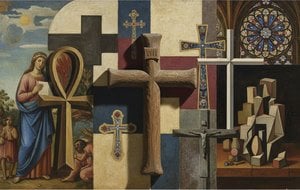
Delve into the profound symbolism of cross imagery in fine art history. From Renaissance masterpieces to sacred iconography, explore how religious motifs shape Western art through our expert cultural analysis and curated collection of museum-quality reproductions.

 設置イメージを確認
 送る
送る シェア
シェア
 詳細情報
詳細情報 ガイドを表示

 画像をダウンロード
 似ている作品
 X線調査
X線調査 スライドショー
 統計情報
統計情報 続きを読む
続きを読む









 ガラスオプションは、110cm未満のサイズでのみご利用いただけます。


