

 Acrylic On CanvasWallArtSurrealism
 1961
1961 18.0 x 28.0 cm
このページに掲載されている作品は著作権法によって保護されており、当社の許可なく同一の複製物を制作または販売することは法律で禁じられています。この保護は、以下のような国際条約に基づき執行されます。 ベルヌ条約 および、以下の条項に定められたものを含む各国の法律により、 米国著作権法 第17編。
この手法は、著作権で保護された作品の複製や複写を伴わないため、著作権法に完全に準拠しています。これは単なる模倣ではなく、創造的な再解釈です。元の作品からインスピレーションを受けつつも、それとは異なる、全く新しい絵画を生み出すものです。
スピーディーな制作と多彩な仕上げオプションが魅力の、ミュージアムクオリティなジークレー・キャンバスプリント。 ( 手描きの複製画を注文する デジタル画像販売へ切り替え)





























作品のオリジナル比率に合わせた、当店の規定サイズからお選びください。

額縁や壁のスペースに合わせて、ご希望の幅と高さを入力してください。プリントはカットすることは可能ですが、元の画像より大きくすることはできないため、異なる比率のサイズを選択された場合は、画像の一部が欠けることになります。印刷を開始する前に、内容を確認していただくためのデジタルモックアップをお送りいたします。このページに表示されている画像は、実際のカット後の状態を示すものではありません。実際の仕上がりはモックアップにてご確認ください。
Paradise
複製画サイズ一覧
Marc Chagall's "Paradise," painted in 1961, isn’t merely a depiction of an idyllic realm; it’s a vibrant portal into the artist’s deeply personal and profoundly Jewish imagination. This sketch, rendered in fluid black ink on lightly grid-lined paper, captures a moment suspended between earthly reality and celestial grace—a testament to Chagall's lifelong fascination with folklore, memory, and the spiritual. The work immediately draws the eye with its dynamic composition, a seemingly chaotic arrangement of figures and animals interwoven within an undefined space, yet possessing a remarkable sense of harmony and movement. It’s a scene brimming with life, not in a realistic sense, but through the sheer force of Chagall's expressive vision.
The sketch’s lack of a singular focal point is deliberate. Instead, elements—a reclining figure, a woman with outstretched arms, and various animals – are scattered across the page, creating an impression of perpetual motion and joyful disarray. Thick lines delineate the outlines of these figures, lending them solidity and presence, while thinner lines suggest details like hair or fur, adding layers of texture and nuance. The faint grid system, barely perceptible beneath the ink, hints at a preparatory study—a glimpse into Chagall’s process of translating his inner world onto paper. This technique, characterized by loose, gestural strokes and an emphasis on capturing movement and emotion rather than precise representation, is quintessential Chagall – a rejection of rigid academic constraints in favor of pure expression.
"Paradise" resonates deeply with the themes prevalent throughout Chagall’s oeuvre. The reclining figure, often interpreted as a self-portrait, embodies a sense of serenity and contemplation, while the woman with outstretched arms evokes a primal connection to nature and perhaps even to God. The presence of animals—dogs or wolves—adds an element of wildness and untamed beauty, suggesting a harmonious coexistence between humanity and the natural world. The title itself, “Paradise,” immediately anchors the scene within biblical tradition, referencing the Garden of Eden and the loss of innocence. However, Chagall’s interpretation transcends simple allegory; it's infused with his own personal mythology—a blend of Jewish folklore, childhood memories, and a yearning for spiritual transcendence. The sketch feels like a fragment of a larger, more complex narrative, inviting viewers to project their own interpretations onto its evocative imagery.
Created in 1961, during the twilight years of Chagall’s illustrious career, “Paradise” reflects his evolving artistic style. Having spent decades experimenting with Cubism, Surrealism, and other avant-garde movements, Chagall had settled into a deeply personal and recognizable idiom by this point. The sketch's loose, expressive quality aligns perfectly with the artist’s late-career work, characterized by a heightened sense of emotion and a rejection of formal constraints. It’s important to note that Chagall’s art was profoundly shaped by his Jewish heritage—his upbringing in Vitebsk, a vibrant multicultural city on the border between Russia and Poland, instilled within him a deep appreciation for folklore, religious symbolism, and the complexities of identity. His work continues to resonate with audiences today, not only for its aesthetic beauty but also for its profound exploration of universal themes such as faith, love, loss, and the search for meaning.
Reproductions of “Paradise” offer a remarkable opportunity to bring this captivating dreamscape into your home or office. WahooArt’s hand-painted reproductions capture the essence of Chagall's original sketch with stunning fidelity, allowing you to experience the artist’s vision in all its vibrant glory.
マルク・シャガール作「Paradise」に描かれているもの:jewish folklore, dreams, figures, animals, harmony, chagall, surrealism, eden
マルク・シャガール作「Paradise」の推奨される用途はStatementです。もちろん、それ以外の用途でもお楽しみいただけます。
マルク・シャガール作「Paradise」のデジタルファイルをご希望の場合は、デジタル画像ページより高解像度デジタル画像のダウンロードをご注文ください。


1887 - 1985 , ベラルーシ
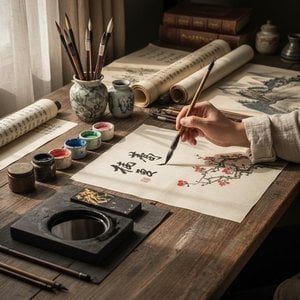
Embark on a sophisticated exploration of ink wash painting and Sumi-e. Uncover the profound historical lineages, Zen philosophies, and technical mastery behind this timeless medium in our authoritative guide for fine art enthusiasts.
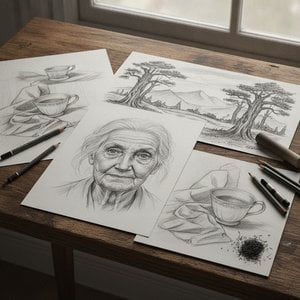
Explore the profound elegance of pencil and charcoal sketching. Discover how masters use line, shadow, and chiaroscuro to capture light and texture, bridging the gap between preparatory studies and timeless fine art masterpieces.

Embark on a profound journey through the soul of Chinese calligraphy. Explore the historical mastery of ink, brush, and script, from ancient Zhuanshu to elegant running script, and discover how this timeless art form reflects the enduring spirit of classical East Asian aesthetics.

 設置イメージを確認
 送る
送る シェア
シェア
 詳細情報
詳細情報 ガイドを表示

 画像をダウンロード
 似ている作品
 X線調査
X線調査 スライドショー
 統計情報
統計情報 続きを読む
続きを読む









 ガラスオプションは、110cm未満のサイズでのみご利用いただけます。


