
 Acrylic On CanvasWallArtExpressionist Modernism
 1963Modern
 23.0 x 39.0 cm
当社のアーティストが、お客様のご希望のサイズと額縁に合わせて、キャンバスに手描きで制作する油彩画です。 ( プリント版に切り替え デジタル画像販売へ切り替え)





























作品のオリジナル比率に合わせた、当店の規定サイズからお選びください。

特定のフレームやスペースに合わせて、ご希望のサイズをご入力いただけます。選択されたサイズが元の画像の比率と異なる場合、アートワークをトリミングするか、手描きで要素を追加して絵画を拡張いたします。デジタルモックアップ を制作し、制作開始前にご確認(承認)をいただきます。
画面上のプレビューは、実際のトリミングや拡張を正確に反映しているものではありません。最終的な構図は、モックアップによってのみ正確にご確認いただけます。
カスタムサイズもご利用いただけますが、元の比率を維持するためには、あらかじめ用意されたリストからサイズを選択することをお勧めいたします。

Moses with the Burning Bush
複製画のサイズ
Marc Chagall's "Moses with the Burning Bush," painted in 1963, isn’t merely a depiction of a biblical narrative; it’s an immersive journey into the artist’s deeply personal and profoundly symbolic world. This striking work, rendered in a rich black and white photograph capturing a painting, immediately draws the viewer into a landscape both familiar and utterly dreamlike. The image transcends simple illustration, becoming a testament to Chagall's unique ability to fuse Jewish folklore, religious iconography, and intensely emotional expression.
The composition is deliberately layered and dynamic. Moses, depicted with his characteristic elongated limbs and slightly tilted head, stands confidently before the blazing bush – a potent symbol of divine revelation, found in both the Hebrew Bible and Christian tradition. The burning bush itself isn’t rendered as a fiery spectacle; instead, it's presented with an almost ethereal quality, suggesting not just light but also a sense of timelessness and spiritual power. Notice the careful placement of the two birds – one hovering near the top left corner, the other closer to the center – often interpreted as messengers or symbols of hope and connection to the divine.
Born Moishe Shagal in 1887 in Liozna, Belarus—a small town steeped in Jewish history and folklore—Chagall’s artistic vision was inextricably linked to his upbringing. Liozna, a melting pot of Russian Orthodox and Jewish cultures, provided the fertile ground for his distinctive style. The memory of this place, with its vibrant marketplaces, towering churches, and deeply ingrained traditions, permeates his work. This painting is a powerful evocation of that landscape, imbued with a sense of nostalgia and longing for a lost world. His early training as a sign painter instilled in him an appreciation for bold color and dynamic composition, elements he would later master to breathtaking effect.
Chagall’s personal life also profoundly shaped his art. His marriage to Bella Rosenfeld, a woman who tragically died in 1940, is a recurring theme throughout his oeuvre. The presence of the three figures within the scene – one on the right, another at the bottom left, and a third closer to the center – could be interpreted as representations of family members, adding a layer of intimate narrative to the biblical story.
Despite being rendered in monochrome, Chagall’s “Moses with the Burning Bush” is far from drab. The artist masterfully employs tonal variations – subtle shifts in gray—to create a sense of depth, texture, and movement. The brushstrokes are loose and expressive, characteristic of his mature style, conveying a feeling of spontaneity and emotional intensity. The figures themselves are rendered with simplified forms, emphasizing their symbolic significance over realistic representation. This technique aligns with Chagall’s broader approach to art: to capture not just what he *saw*, but what he *felt*.
The painting's power lies in its ability to evoke a profound sense of spiritual yearning and the enduring struggle between faith and doubt. It’s a testament to Chagall’s genius – his capacity to transform biblical narratives into deeply personal and universally resonant works of art. The image invites contemplation, prompting viewers to consider their own relationship with faith, tradition, and the mysteries of existence.


1887 - 1985 , ベラルーシ

Explore the profound world of Franz Marc's Expressionist paintings. Discover his spiritual connection to animals, innovative use of color, and lasting impact on modern art history. Learn more at WahooArt.
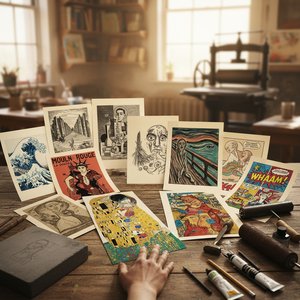
Explore 10 legendary lithographs by Toulouse-Lautrec, Munch & Picasso that redefined art! Discover the stories behind these iconic prints and find museum-quality reproductions for your home decor at WahooArt.com. Explore the full collection online.
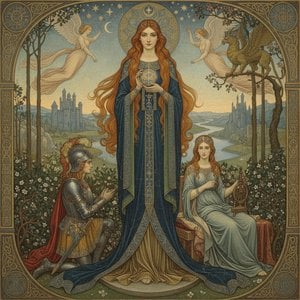
Discover the enchanting world of Edward Burne-Jones and the Pre-Raphaelite Brotherhood. Explore his mythical paintings, distinctive style, and lasting influence on Victorian art & the Aesthetic Movement. Expert analysis & high-quality reproductions at WahooArt.
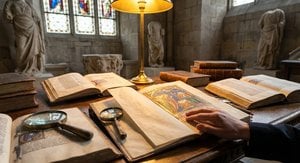
Explore the rich history of biblical art from Giotto to the Renaissance masters with WahooArt. Discover symbolism, techniques & enduring legacies. Museum-quality reproductions & expert insights.

Explore 10 defining German Expressionism masterpieces – from Munch's 'The Scream' to Kandinsky’s abstracts. Discover the artists, stories & bold colors behind this powerful art movement. Find museum-quality reproductions at WahooArt.com.


 プレビュー
プレビュー
 シェアする
シェアする シェアする
シェアする
 詳細を見る
詳細を見る

 ダウンロード
 似ている作品
 X線調査
X線調査 スライドショー
 統計情報
統計情報 詳細を見る
詳細を見る









 ガラスオプションは、110cm未満のサイズでのみご利用いただけます。


