


 Ink On PaperExpressionist Surrealism
 1912Modern
 20.0 x 30.0 cm




























作品のオリジナル比率に合わせた、当店の規定サイズからお選びください。

特定のフレームやスペースに合わせて、ご希望のサイズをご入力いただけます。選択されたサイズが元の画像の比率と異なる場合、アートワークをトリミングするか、手描きで要素を追加して絵画を拡張いたします。デジタルモックアップ を制作し、制作開始前にご確認(承認)をいただきます。
画面上のプレビューは、実際のトリミングや拡張を正確に反映しているものではありません。最終的な構図は、モックアップによってのみ正確にご確認いただけます。
カスタムサイズもご利用いただけますが、元の比率を維持するためには、あらかじめ用意されたリストからサイズを選択することをお勧めいたします。

Jewish Wedding
複製画のサイズ
In the quiet intimacy of 1912, Marc Chagall captured something far more profound than a mere social gathering; he bottled the very essence of a culture's heartbeat. "Jewish Wedding" is not simply a depiction of a feast, but a luminous window into a world where memory and myth intertwines. As one gazes upon this masterpiece, the boundaries between reality and the subconscious begin to dissolve. The scene unfolds as a vibrant, dreamlike tableau, where figures do not merely sit at a table but seem to float within a shared spiritual consciousness. For the discerning collector or interior designer, this piece offers more than visual interest; it provides a soulful anchor, bringing a sense of narrative depth and historical weight to any curated space.
The technique employed by Chagall in this period reflects a masterful blend of Surrealist Impressionism and Naïve Art. Eschewing the rigid, clinical lines of academic realism, Chagall utilized thick, expressive impasto brushstrokes that lend a palpable, tactile quality to the canvas. This layering of pigment creates a rhythmic texture, allowing light to dance across the surface as if the painting itself were breathing. The color palette, while often grounded in earthy tones, is punctuated by sudden, lyrical bursts of hue that evoke the flickering candlelight of a festive night. This approach transforms the dining table—crowded with wine glasses, bowls, and communal vessels—into an altar of celebration, where every stroke of the brush serves to heighten the emotional intensity of the ritual.
To understand "Jewish Wedding," one must look toward the cobblestone streets of Vitebsk. Chagall’s early life in this Belarusian town, a microcosm of Jewish tradition and Russian complexity, serves as the emotional foundation of his work. The painting acts as a poignant meditation on identity during an era of profound social upheaval. Within the composition, the distorted perspectives and gravity-deficting figures serve as symbols of resilience; they represent a community that, despite the encroaching shadows of the 20th century, remains anchored by the joy of tradition. The bustling arrangement of guests around the table is not merely a depiction of hunger or thirst, but a celebration of communal sustenance—the spiritual nourishment found in shared ritual.
For those seeking to integrate fine art into a modern interior, this work offers a unique psychological dimension. It possesses the rare ability to evoke nostalgia and warmth while maintaining a sophisticated, avant-garde edge. The interplay of light and shadow within the scene creates a sense of movement that breathes life into a room, making it an ideal centerpiece for a study, a library, or a grand dining hall. Owning a high-quality reproduction of this work is an invitation to inhabit Chagall’s universe—a world where the heavy weight of history is balanced by the lightness of a dream, and where every celebration is etched in the eternal ink of imagination.


1887 - 1985 , ベラルーシ
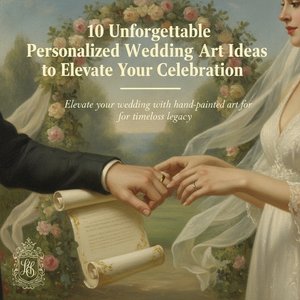
結婚式を一生の宝物に変える、パーソナライズされたアートアイデアをご提案。プロのプランナー必見の、油絵ポートレートやカスタムウェディングボードなど、ゲストの心に刻まれる洗練された演出方法をご紹介します。写真から描くオーダーメイドのアートで、愛の物語を時代を超越する芸術作品へと昇華させましょう。上質な結婚式を彩るためのインスピレーションがここにあります。

Discover why a hand-painted wedding portrait is the ultimate luxury heirloom. Elevate your wedding memories beyond photography with bespoke oil paintings that transcend generations through timeless artistry and meticulous craftsmanship.
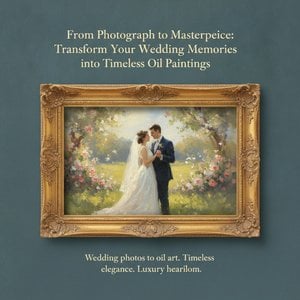
Transform your cherished wedding photographs into breathtaking, hand-painted oil masterpieces. Discover the elegance of bespoke wedding commissions, where expert artists turn fleeting moments into timeless, museum-quality heirlooms for your home and legacy.


 プレビュー
プレビュー
 プリントを購入
 シェアする
シェアする シェアする
シェアする
 詳細を見る
詳細を見る

 ダウンロード
 似ている作品
 X線調査
X線調査 スライドショー
 詳細を見る
詳細を見る









 ガラスオプションは、110cm未満のサイズでのみご利用いただけます。


