

 AcrylicWallArtNaïve Art (Primitivism)
 1960
1960 47.0 x 32.0 cm
このページに掲載されている作品は著作権法によって保護されており、当社の許可なく同一の複製物を制作または販売することは法律で禁じられています。この保護は、以下のような国際条約に基づき執行されます。 ベルヌ条約 および、以下の条項に定められたものを含む各国の法律により、 米国著作権法 第17編。
この手法は、著作権で保護された作品の複製や複写を伴わないため、著作権法に完全に準拠しています。これは単なる模倣ではなく、創造的な再解釈です。元の作品からインスピレーションを受けつつも、それとは異なる、全く新しい絵画を生み出すものです。
スピーディーな制作と多彩な仕上げオプションが魅力の、ミュージアムクオリティなジークレー・キャンバスプリント。 ( 手描きの複製画を注文する デジタル画像販売へ切り替え)
作品のオリジナル比率に合わせた、当店の規定サイズからお選びください。

額縁や壁のスペースに合わせて、ご希望の幅と高さを入力してください。プリントはカットすることは可能ですが、元の画像より大きくすることはできないため、異なる比率のサイズを選択された場合は、画像の一部が欠けることになります。印刷を開始する前に、内容を確認していただくためのデジタルモックアップをお送りいたします。このページに表示されている画像は、実際のカット後の状態を示すものではありません。実際の仕上がりはモックアップにてご確認ください。
An angel
複製画サイズ一覧
Marc Chagall’s “The Angel,” created in 1960, stands as a quintessential example of Naïve Art (Primitivism), encapsulating the artist's lifelong fascination with folklore, biblical narratives, and the dreamlike landscapes of his childhood in Vitebsk. Printed as part of Fernand Mourlot’s seminal lithograph catalogue raisonné – Volume I – this artwork transcends mere visual representation; it embodies Chagall’s profound engagement with universal themes of spirituality, hope, and transcendence.
The composition itself is strikingly simple yet powerfully evocative. Dominating the canvas is a bird—a recurring motif throughout Chagall's oeuvre—wings outstretched in an upward trajectory against a backdrop of luminous moonlight. Beneath this celestial figure hover two horses, their forms rendered with characteristic fluidity and expressive distortion – mirroring the turbulent emotions inherent in Chagall’s artistic vision.
A solitary human form occupies the lower left corner, seemingly grounded amidst the soaring imagery above. This figure is positioned deliberately to create a visual dialogue between earthly existence and divine aspiration—a central preoccupation of Chagall's artistic explorations. The artist skillfully employs hatching and cross-hatching techniques to build up tonal values, capturing the ethereal quality of moonlight and conveying a palpable sense of movement.
“The Angel” is deeply embedded within Vitebsk’s cultural heritage. The bird symbolizes freedom and aspiration—a characteristic emblem of Hasidic Jewish tradition—while the horses represent strength, resilience, and the cyclical nature of life. Chagall frequently incorporated elements from Belarusian folklore into his paintings, drawing inspiration from myths and legends that resonate with primal emotions.
The moon serves as a beacon of illumination, guiding the viewer’s gaze upwards toward the heavens—a deliberate reference to biblical imagery and symbolizing divine grace. The horse on the right side is particularly notable for its expressive gesture, conveying both vulnerability and determination – mirroring Chagall's own artistic journey.
Chagall’s stylistic approach defies categorization, blending influences from Cubism, Fauvism, and Symbolism into a uniquely personal idiom. However, at its core lies an unwavering commitment to representation—albeit imbued with dreamlike color palettes and fantastical imagery. As he himself stated, “I wish my mythological floating figures and symbolism to be interpreted freely.”
"The Angel" exemplifies Chagall’s ability to transform observation into profound artistic expression – capturing not just what is seen but also what is felt—a testament to his enduring legacy as one of the most influential artists of the 20th century.
マルク・シャガール作「An angel」は、作品のスライドショーページにてスライドショーとしてご覧いただけます。
「An angel」の主題はflying figures, whimsical animals, vibrant hues, biblical inspirations, mythological symbolism, jewish folklore, dreamlike colorです。
マルク・シャガール作「An angel」に関する統計情報は、作品の統計情報ページでご確認いただけます。こちらでは、作品の月間訪問数、アーティストの作品への訪問数、および最近の訪問者の国別・言語別の内訳をご覧いただけます。


1887 - 1985 , ベラルーシ

Embark on a scholarly journey through the alchemy of lithography. This definitive guide offers collectors profound insights into the chemical mastery of stone and ink, the medium's historical legacy, and essential expertise for acquiring rare, museum-quality prints with absolute confidence.

Master the nuances of Giclée printing with our expert guide. Discover how pigment-based inks and museum-grade substrates create fade-resistant, high-fidelity art reproductions designed for discerning collectors seeking unparalleled quality and longevity.

あなたのクリエイティビティを、世界中のファンへ届ける新しい形。在庫リスクなしで始められるオンデマンド・アートプリント販売をご紹介します。美術館品質のジークレー印刷技術を用い、デジタルな感性を一生のレガシーとなるファインアートへと昇華。WahooArtが提案する、洗練されたアーティスト・ビジネスの第一歩をここから。
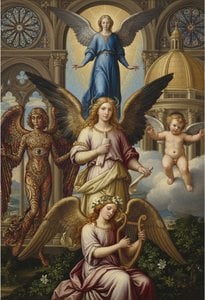
Explore the profound beauty of angelic figures in art history. From Renaissance masterpieces to celestial symbolism, our expert guide offers a sophisticated journey through the divine imagery of the Old Masters for discerning collectors and art enthusiasts.

 設置イメージを確認
 送る
送る シェア
シェア
 詳細情報
詳細情報 ガイドを表示

 画像をダウンロード
 似ている作品
 X線調査
X線調査 スライドショー
 統計情報
統計情報 続きを読む
続きを読む






































 ガラスオプションは、110cm未満のサイズでのみご利用いただけます。


